


 Popular Blog Posts


 Blog
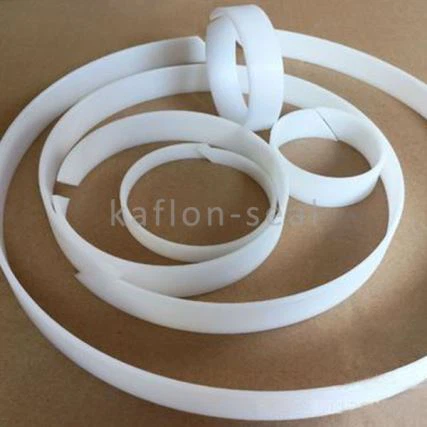
BlogAs a leading supplier of hydraulic wear rings, I understand the critical role these components play in the efficient operation of hydraulic systems. Hydraulic wear rings are essential for maintaining proper alignment, reducing friction, and preventing metal-to-metal contact between moving parts. Over time, however, these wear rings can experience wear and tear, which may compromise their performance. Therefore, regular inspection is crucial to ensure the longevity and reliability of hydraulic systems. In this blog post, I will discuss several inspection methods for hydraulic wear rings that can help you identify potential issues early and take appropriate measures.
Visual Inspection
Visual inspection is the most basic and straightforward method for checking hydraulic wear rings. It involves a thorough examination of the wear rings' external appearance to detect any visible signs of damage, wear, or deformation. Here are some key aspects to look for during a visual inspection:
- Surface Damage: Check for scratches, gouges, or cracks on the surface of the wear rings. These defects can be caused by foreign particles, improper installation, or excessive pressure. Surface damage can lead to increased friction, leakage, and premature wear of the wear rings and other components in the hydraulic system.
- Wear Patterns: Observe the wear patterns on the wear rings. Uniform wear is normal, but uneven wear may indicate misalignment, improper clearance, or excessive loading. Look for signs of excessive wear on one side or in specific areas of the wear ring, which could suggest a problem with the hydraulic system's alignment or operation.
- Deformation: Inspect the wear rings for any signs of deformation, such as bending, warping, or swelling. Deformation can occur due to high temperatures, chemical exposure, or mechanical stress. Deformed wear rings may not fit properly, leading to leakage and reduced performance.
- Material Degradation: Check the material of the wear rings for signs of degradation, such as discoloration, brittleness, or softening. Material degradation can be caused by exposure to high temperatures, chemicals, or oxygen. Degraded wear rings may lose their mechanical properties and become less effective in preventing wear and reducing friction.
Dimensional Inspection
Dimensional inspection is another important method for evaluating the condition of hydraulic wear rings. It involves measuring the key dimensions of the wear rings to ensure they meet the specified tolerances. Here are some common dimensions that need to be checked:
- Outer Diameter: Measure the outer diameter of the wear ring using a caliper or micrometer. The outer diameter should be within the specified tolerance range to ensure a proper fit in the hydraulic cylinder or other components.
- Inner Diameter: Measure the inner diameter of the wear ring to ensure it provides the correct clearance for the piston or other moving parts. The inner diameter should be consistent and within the specified tolerance to prevent excessive friction and wear.
- Width: Measure the width of the wear ring to ensure it is within the specified range. The width of the wear ring affects its ability to provide support and prevent leakage.
- Thickness: Check the thickness of the wear ring to ensure it is uniform and within the specified tolerance. Uneven thickness can lead to uneven wear and reduced performance.
Hardness Testing
Hardness testing is a useful method for assessing the material properties of hydraulic wear rings. It involves measuring the hardness of the wear ring material to determine its resistance to wear and deformation. Here are some common hardness testing methods:
- Rockwell Hardness Test: The Rockwell hardness test is a widely used method for measuring the hardness of metals and other materials. It involves applying a specific load to the surface of the wear ring using a diamond or steel indenter and measuring the depth of the indentation. The hardness value is then determined based on the depth of the indentation.
- Brinell Hardness Test: The Brinell hardness test is another common method for measuring the hardness of metals. It involves applying a large load to the surface of the wear ring using a spherical indenter and measuring the diameter of the indentation. The hardness value is then calculated based on the diameter of the indentation and the applied load.
- Vickers Hardness Test: The Vickers hardness test is a more precise method for measuring the hardness of materials. It involves applying a small load to the surface of the wear ring using a diamond indenter and measuring the diagonal length of the indentation. The hardness value is then calculated based on the diagonal length of the indentation and the applied load.
Hardness testing can help you determine if the wear ring material has the appropriate hardness for the application. If the hardness is too low, the wear ring may wear out quickly. If the hardness is too high, the wear ring may be brittle and prone to cracking.
Material Analysis
Material analysis is a more advanced method for inspecting hydraulic wear rings. It involves analyzing the chemical composition and microstructure of the wear ring material to determine its quality and suitability for the application. Here are some common material analysis techniques:
- Spectroscopy: Spectroscopy is a technique used to analyze the chemical composition of materials. It involves shining a light on the wear ring material and measuring the wavelengths of the light absorbed or emitted by the material. The chemical composition of the material can then be determined based on the wavelengths of the light.
- Microscopy: Microscopy is a technique used to examine the microstructure of materials. It involves using a microscope to magnify the surface of the wear ring material and observe its internal structure. Microscopy can help you detect any defects, such as cracks, porosity, or inclusions, in the wear ring material.
- X-ray Diffraction: X-ray diffraction is a technique used to analyze the crystal structure of materials. It involves shining X-rays on the wear ring material and measuring the angles at which the X-rays are diffracted by the material. The crystal structure of the material can then be determined based on the angles of the diffracted X-rays.
Material analysis can provide valuable information about the quality and properties of the wear ring material. It can help you identify any potential issues, such as impurities or improper heat treatment, that may affect the performance of the wear rings.
Functional Testing
Functional testing is the most comprehensive method for evaluating the performance of hydraulic wear rings. It involves testing the wear rings in a hydraulic system under actual operating conditions to ensure they meet the specified performance requirements. Here are some common functional testing methods:

- Leakage Testing: Leakage testing is used to check for any leakage of hydraulic fluid around the wear rings. It involves pressurizing the hydraulic system and observing for any signs of fluid leakage. Leakage can be caused by improper installation, worn or damaged wear rings, or excessive clearance between the wear rings and other components.
- Friction Testing: Friction testing is used to measure the friction coefficient between the wear rings and the piston or other moving parts. It involves applying a known load to the wear rings and measuring the force required to move the piston or other parts. The friction coefficient can then be calculated based on the applied load and the measured force. High friction coefficients can lead to increased energy consumption, reduced efficiency, and premature wear of the wear rings and other components.
- Wear Testing: Wear testing is used to evaluate the wear resistance of the wear rings. It involves running the hydraulic system for a specified period of time under controlled conditions and measuring the amount of wear on the wear rings. Wear testing can help you determine the expected service life of the wear rings and identify any potential issues that may affect their wear resistance.
Functional testing can provide valuable information about the performance of the wear rings in a real-world application. It can help you ensure that the wear rings meet the specified performance requirements and provide reliable operation of the hydraulic system.
Conclusion
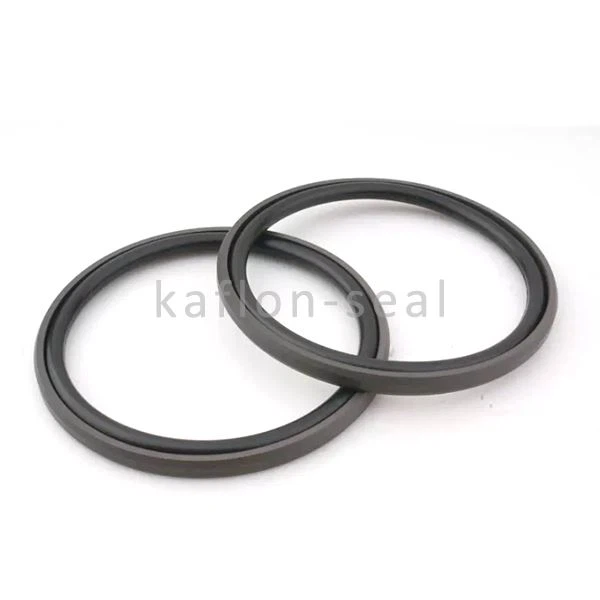
Regular inspection of hydraulic wear rings is essential for maintaining the performance and reliability of hydraulic systems. By using a combination of visual inspection, dimensional inspection, hardness testing, material analysis, and functional testing, you can identify potential issues early and take appropriate measures to prevent costly downtime and repairs. As a supplier of hydraulic wear rings, I offer a wide range of high-quality products, including Single Acting Step Seal Ring, Piston Sealing Glyd Ring, and Piston T Seal. If you have any questions or need assistance with selecting the right hydraulic wear rings for your application, please feel free to contact us. We are committed to providing our customers with the best products and services to meet their needs.
References
- Neale, M. J. (Ed.). (2001). Tribology Handbook. Elsevier.
- Hamrock, B. J., Schmid, S. R., & Jacobson, B. O. (2004). Fundamentals of Fluid Film Lubrication. McGraw-Hill.
- Hutchings, I. M. (1992). Tribology: Friction and Wear of Engineering Materials. CRC Press.