


 Popular Blog Posts


 Blog
BlogWhat are the industry standards for hydraulic wiper seals?
As a supplier of hydraulic wiper seals, I've witnessed firsthand the critical role these components play in the smooth operation of hydraulic systems. Hydraulic wiper seals are designed to prevent contaminants such as dirt, dust, water, and other foreign particles from entering the hydraulic cylinder. This not only protects the internal components of the cylinder but also extends the service life of the entire hydraulic system. In this blog, I'll delve into the industry standards for hydraulic wiper seals, highlighting their importance and how they ensure the reliability and efficiency of hydraulic applications.
Material Standards
The choice of material is fundamental to the performance of hydraulic wiper seals. Different materials offer varying degrees of resistance to abrasion, temperature, chemicals, and other environmental factors. The most commonly used materials for hydraulic wiper seals include:
- Nitrile Rubber (NBR): NBR is a popular choice due to its excellent resistance to oil, fuel, and other petroleum - based fluids. It also offers good mechanical properties, such as high tensile strength and tear resistance. NBR wiper seals are suitable for a wide range of operating temperatures, typically from - 40°C to 100°C.
- Fluorocarbon Rubber (FKM): FKM seals are known for their exceptional resistance to high temperatures, chemicals, and ozone. They can withstand temperatures up to 250°C, making them ideal for applications in harsh environments. However, FKM is more expensive than NBR, so it is often used in specialized applications where high - temperature and chemical resistance are crucial.
- Polyurethane (PU): Polyurethane wiper seals offer excellent abrasion resistance, low friction, and high mechanical strength. They are suitable for applications with high - speed reciprocating motion and can operate in a temperature range of - 30°C to 80°C.
Industry standards, such as those set by the International Organization for Standardization (ISO), specify the material properties and performance requirements for these materials. For example, ISO standards define the hardness, tensile strength, elongation at break, and compression set of rubber materials used in hydraulic seals.
Dimensional Standards
Accurate dimensions are essential for the proper installation and performance of hydraulic wiper seals. Industry standards provide guidelines for the outer diameter (OD), inner diameter (ID), and width of the seals. These dimensions are typically specified in millimeters or inches, depending on the region and the application.
The ISO 3601 series of standards is widely recognized for defining the dimensions of hydraulic seals. For example, ISO 3601 - 1 specifies the dimensions of O - rings, which are often used in conjunction with hydraulic wiper seals. Additionally, standards such as ISO 7425 - 1 provide guidelines for the dimensions of rod seals and piston seals, which work in tandem with wiper seals in hydraulic cylinders.
Proper dimensional tolerances are also crucial. Tolerances ensure that the seals fit correctly into the housing and provide an effective sealing function. If the dimensions are too large or too small, the seal may not be able to prevent the ingress of contaminants or may cause excessive friction, leading to premature wear and failure.
Performance Standards
The performance of hydraulic wiper seals is evaluated based on several key factors, including sealing efficiency, friction, wear resistance, and durability. Industry standards define the test methods and performance criteria for these factors.
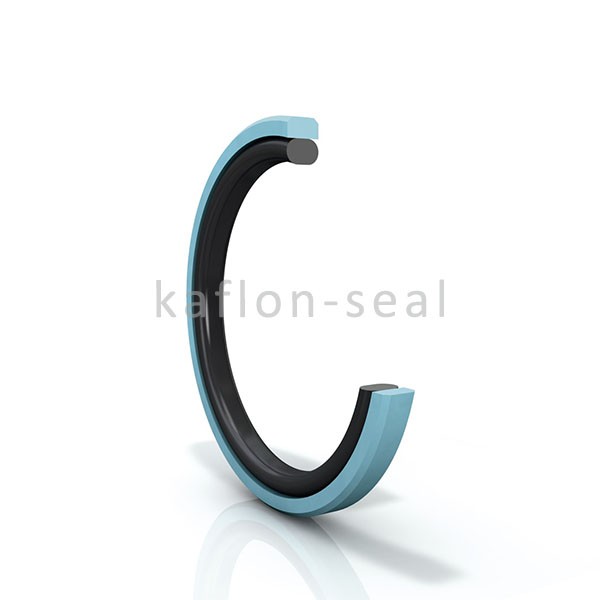

- Sealing Efficiency: The primary function of a hydraulic wiper seal is to prevent the entry of contaminants into the hydraulic system. Standards such as ISO 16032 specify the test methods for evaluating the sealing efficiency of wiper seals. These tests typically involve subjecting the seal to a controlled environment with a specified amount of contaminants and measuring the amount of contaminants that penetrate the seal.
- Friction: Low friction is desirable in hydraulic wiper seals to reduce energy consumption and prevent excessive wear on the rod. Standards such as ISO 15217 provide guidelines for measuring the friction force of seals. Friction is typically measured using a friction testing machine, which applies a controlled load and speed to the seal and measures the resulting friction force.
- Wear Resistance: Hydraulic wiper seals are subjected to continuous friction and abrasion during operation. Standards such as ISO 14918 define the test methods for evaluating the wear resistance of seals. These tests typically involve subjecting the seal to a reciprocating motion against a rod under a specified load and speed for a certain number of cycles. The amount of wear is then measured to determine the wear resistance of the seal.
- Durability: Durability refers to the ability of the seal to maintain its performance over an extended period of time. Standards such as ISO 16293 specify the test methods for evaluating the durability of hydraulic seals. These tests typically involve subjecting the seal to a long - term operating cycle under simulated real - world conditions, such as high temperature, high pressure, and cyclic loading.
Compatibility Standards
Hydraulic wiper seals must be compatible with the hydraulic fluid used in the system. Different hydraulic fluids, such as mineral oils, synthetic oils, and water - based fluids, have different chemical properties, and the seal material must be able to withstand these properties without degradation.
Industry standards, such as ISO 6149 - 1, provide guidelines for the compatibility of hydraulic seals with different types of hydraulic fluids. These standards define the test methods for evaluating the compatibility of the seal material with the fluid, including immersion tests and swelling tests. During an immersion test, the seal is immersed in the hydraulic fluid for a specified period of time at a controlled temperature, and the changes in the seal's dimensions, hardness, and mechanical properties are measured.
Our Product Offerings
As a hydraulic wiper seal supplier, we offer a wide range of products that meet or exceed the industry standards. Our product portfolio includes Rod Seal For Dynamic Sealing, Single Acting Step Seal Ring, and Long Life Hydraulic Glyd Ring Seal.
Our seals are manufactured using high - quality materials and state - of - the - art production processes. We adhere to strict quality control measures to ensure that each seal meets the required standards for material properties, dimensions, performance, and compatibility. Whether you need a standard seal or a custom - designed solution, we have the expertise and resources to meet your needs.
Conclusion
Industry standards for hydraulic wiper seals are essential for ensuring the reliability and performance of hydraulic systems. These standards cover material selection, dimensional accuracy, performance evaluation, and compatibility with hydraulic fluids. By adhering to these standards, we as a supplier can provide high - quality seals that meet the demanding requirements of various applications.
If you are in the market for hydraulic wiper seals, we invite you to contact us for a consultation. Our team of experts can help you select the right seal for your specific application and provide you with detailed product information and technical support. We look forward to working with you to ensure the optimal performance of your hydraulic systems.
References
- ISO 3601 series: "Hydraulic fluid power - O - rings"
- ISO 7425 - 1: "Hydraulic fluid power - Cylinders - Rod seals and piston seals housings - Dimensions and tolerances - Part 1: Rod seals"
- ISO 16032: "Hydraulic fluid power - Determination of the leakage rate of reciprocating seals"
- ISO 15217: "Hydraulic fluid power - Determination of friction characteristics of reciprocating seals"
- ISO 14918: "Rubber, vulcanized or thermoplastic - Determination of abrasion resistance using a rotating cylindrical drum device"
- ISO 16293: "Hydraulic fluid power - Determination of the life of reciprocating seals"
- ISO 6149 - 1: "Hydraulic fluid power - Cylinders - Port connectors and control valve mounting surfaces - Part 1: Dimensions and requirements for O - ring - face seals"