


 Popular Blog Posts


 Blog
BlogAs a hydraulic seals supplier, I've been in the thick of the industry for quite a while now. Hydraulic seals are super important in all sorts of hydraulic systems, from heavy - duty construction equipment to nifty automotive parts. They keep the hydraulic fluid where it should be and prevent all kinds of leaks, which is crucial for the system to work right. But like anything else, they've got their fair share of disadvantages. Let's dig into them.
Wear and Tear
One of the biggest headaches with hydraulic seals is wear and tear. These seals are constantly rubbing against other parts in the hydraulic system. The friction generated during normal operation can gradually wear down the seal material over time. For example, in a high - pressure hydraulic cylinder, the seal has to work hard against the piston and cylinder walls.
As it wears, the seal's ability to maintain a perfect seal starts to decline. Minor leaks can turn into major ones, and that's when you run into problems. These leaks can lead to a loss of hydraulic fluid, which in turn affects the system's performance. The efficiency of the machinery drops, and you might even notice a decrease in power output.
Moreover, the wear and tear process doesn't happen overnight. It's a slow, sneaky process that often goes unnoticed until there's a significant issue. And once the seal is too worn out, it needs to be replaced. This can be a costly and time - consuming affair, especially in large industrial setups where multiple seals are involved.
Temperature Sensitivity
Hydraulic seals can be pretty picky when it comes to temperature. Most of the commonly used seal materials, like rubber or polyurethane, have specific temperature ranges in which they work best. If the temperature goes outside these ranges, it can spell trouble.
In high - temperature environments, the seal material can start to degrade. Rubber seals might become brittle and crack, losing their elasticity. This means they won't be able to form a tight seal anymore, leading to leaks. On the flip side, in extremely cold temperatures, the material can become stiff. A stiff seal has a hard time conforming to the surfaces it needs to seal, and again, leaks can occur.
Take an outdoor hydraulic system that operates in a desert climate. During the day, the temperatures can soar, and the seals are under constant stress from the heat. At night, the temperature can drop significantly. This constant shift in temperature accelerates the degradation of the seals. It reduces their lifespan and increases the frequency of replacements, which is an added cost for the end - user.
Chemical Compatibility Issues
Hydraulic systems often use different types of hydraulic fluids, and these fluids can have varying chemical compositions. Not all hydraulic seals are compatible with all types of fluids. If the seal material isn't compatible with the fluid it's exposed to, it can cause all sorts of problems.
The fluid might attack the seal material, causing it to swell, dissolve, or lose its physical properties. For example, some synthetic hydraulic fluids can be aggressive towards certain rubber - based seals. When the seal swells, it can distort the shape of the seal, making it less effective at sealing. And if it dissolves, well, you've got a major leak on your hands.
It's a tricky situation because you have to be very careful about choosing the right seal for the specific hydraulic fluid used in the system. This requires a good understanding of both the fluid's chemical makeup and the seal's compatibility. It can be a bit of a hassle, especially for those who aren't well - versed in the technical details.
Installation Difficulties
Installing hydraulic seals correctly is no walk in the park. If they're not installed properly, it can lead to premature failure. The seals need to be precisely positioned within the system to ensure an effective seal.
During installation, there's always a risk of damaging the seal. For example, if it's forced into place with too much pressure or at an incorrect angle, it can get cut or deformed. A damaged seal won't work as it should, and leaks can occur almost immediately.
In some complex hydraulic systems, the space for installing the seals is very limited. This makes it even more challenging to get the seal in the right position without causing any damage. And if the installation isn't done right the first time, you've got to go through the whole process again, which wastes time and resources.
Cost
Let's talk about cost. High - quality hydraulic seals can be expensive, especially those designed for specialized applications. The cost of the seal itself is just one part of the equation. There are also the costs associated with installation, maintenance, and replacement.
As we mentioned earlier, these seals are prone to wear and tear, temperature sensitivity, and chemical compatibility issues. All of these factors can lead to more frequent replacements. And each time you replace a seal, you've got to pay for the new seal, the labor involved in the replacement, and there might be some downtime for the machinery as well.
For businesses, these costs can add up quickly, affecting their bottom line. Even for small - scale operations, the cost of constantly replacing hydraulic seals can be a significant expense.
Limited Pressure Resistance
While hydraulic seals are designed to handle a certain amount of pressure, they do have their limits. In high - pressure hydraulic systems, exceeding the seal's pressure rating can cause catastrophic failure. The seal might blow out, leading to a sudden and large - scale leak of hydraulic fluid.
This not only poses a safety risk but also causes significant damage to the hydraulic system. The equipment might need to be shut down for repairs, and the downtime can be costly for businesses. Identifying the right seal with sufficient pressure resistance for a particular system can be difficult, as it requires accurate knowledge of the system's operating pressures.
Limited Speed Capability
In fast - moving hydraulic systems, the speed of the moving parts can also affect the performance of the seals. High - speed operation can generate more heat and friction, which can accelerate the wear of the seals. Some seals are not designed to handle high speeds, and using them in such applications can lead to premature failure.
For example, in a high - speed hydraulic actuator, if the seal isn't up to the task, it might wear out quickly, causing leaks and reducing the overall efficiency of the actuator. This means that for high - speed applications, you've got to use specialized seals, which are often more expensive.

Need for Regular Inspection
To keep a hydraulic system in good working order, regular inspection of the seals is essential. This is an additional time - consuming task. During the inspection, you need to check for signs of wear, damage, or leaks. And if you find any issues, you've got to take immediate action.
Regular inspections require trained personnel who know what to look for. This means additional training costs for businesses. And even with regular inspections, it can be difficult to detect some early - stage problems. Sometimes, the damage might be internal or hidden, and it won't be obvious until it's too late.
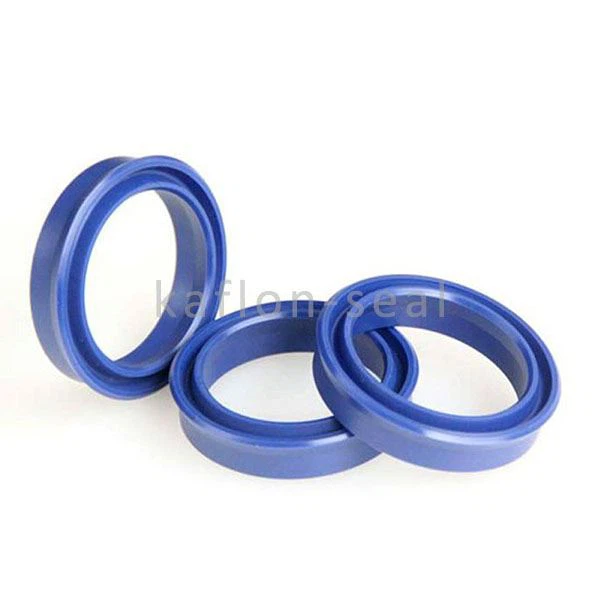
Now, despite all these disadvantages, hydraulic seals are still an indispensable part of hydraulic systems. At our company, we offer a wide range of high - quality hydraulic seals, such as the Hydraulic Dynamic Sealing Glyd Ring, Polyurethane Piston Seal For Static Application, and PU Hydraulic Piston Seal. We're constantly working on improving the quality and performance of our seals to minimize these disadvantages.
If you're in the market for hydraulic seals and want to discuss your requirements, we'd love to hear from you. Get in touch, and let's talk about how we can meet your needs.
References
- Hydraulic Seals Handbook - Gregory M. Mook
- Machinery's Handbook - Industrial Press Inc.