


 Popular Blog Posts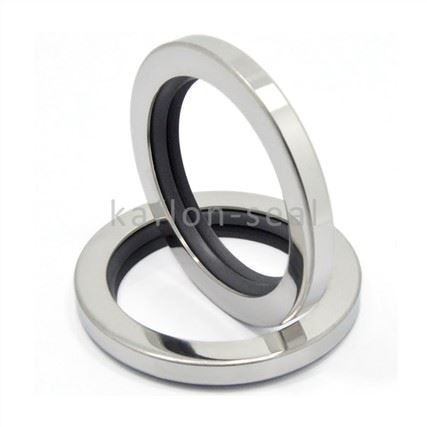


 Blog
BlogAs a PTFE lip seal supplier, I've witnessed firsthand the widespread use and benefits of these seals in various industrial applications. PTFE lip seals, known for their excellent chemical resistance, low friction, and high-temperature tolerance, are a popular choice for many engineers and manufacturers. However, like any product, they are not without their disadvantages. In this blog post, I'll delve into some of the drawbacks of PTFE lip seals to provide a balanced perspective for potential buyers.
High Cost
One of the most significant disadvantages of PTFE lip seals is their relatively high cost. PTFE, or polytetrafluoroethylene, is a high-performance polymer that is more expensive to produce than many other sealing materials. The manufacturing process of PTFE lip seals involves several complex steps, including sintering and machining, which add to the overall cost. Additionally, the raw material cost of PTFE is higher compared to other polymers such as nitrile rubber or silicone.
For budget-conscious buyers or applications where cost is a major factor, the high price of PTFE lip seals can be a deterrent. In some cases, it may be more cost-effective to opt for alternative sealing materials that can provide similar performance at a lower price. However, it's important to note that the long-term benefits of PTFE lip seals, such as their durability and reliability, may outweigh the initial cost in certain applications.


Limited Elasticity
PTFE is a relatively rigid material with limited elasticity compared to elastomers like rubber. This lack of elasticity can pose challenges when it comes to achieving a proper seal in applications where there are significant radial or axial movements. PTFE lip seals may not be able to conform as easily to irregular surfaces or compensate for shaft misalignment, which can lead to leakage.
In applications where the shaft has a high degree of runout or where there are dynamic movements, such as in rotating machinery, the limited elasticity of PTFE lip seals can be a disadvantage. In these cases, elastomeric seals may be a better choice as they can better adapt to the changing conditions and maintain a tight seal. However, PTFE lip seals can still be used in applications with moderate movements if they are properly designed and installed.
Difficult to Install
Installing PTFE lip seals can be more challenging compared to other types of seals. The rigid nature of PTFE makes it less forgiving during installation, and improper installation can lead to damage to the seal or the shaft. PTFE lip seals require careful handling to avoid scratching or nicking the sealing lip, which can compromise the seal's performance.
Additionally, PTFE lip seals often require special installation tools and techniques to ensure a proper fit. For example, some PTFE lip seals may need to be heated before installation to make them more pliable and easier to install. This additional step can add to the complexity and time required for installation.
Low Abrasion Resistance
While PTFE is known for its low friction properties, it has relatively low abrasion resistance compared to some other materials. In applications where the seal is exposed to abrasive particles or where there is a high degree of wear, PTFE lip seals may not be the best choice. The abrasive particles can cause damage to the sealing lip, leading to leakage and reduced seal life.
In industries such as mining, construction, and agriculture, where there is a high risk of exposure to abrasive materials, PTFE lip seals may need to be protected or replaced more frequently. In these cases, seals made from materials with higher abrasion resistance, such as ceramic or carbide, may be more suitable.
Chemical Compatibility Limitations
Although PTFE is highly resistant to a wide range of chemicals, there are still some chemicals that can cause damage to PTFE. For example, PTFE can be attacked by certain strong oxidizing agents, such as fuming nitric acid and oleum. In applications where the seal is exposed to these types of chemicals, PTFE lip seals may not be compatible and may need to be replaced with a more chemically resistant material.
It's important to carefully consider the chemical environment in which the seal will be used and to choose a sealing material that is compatible with the specific chemicals present. Before selecting a PTFE lip seal, it's recommended to consult with a chemical compatibility chart or a seal manufacturer to ensure that the seal will be suitable for the application.
Conclusion
Despite these disadvantages, PTFE lip seals still offer many advantages and are widely used in a variety of industrial applications. Their excellent chemical resistance, low friction, and high-temperature tolerance make them a valuable sealing solution in many situations. However, it's important to be aware of the potential drawbacks of PTFE lip seals and to carefully evaluate whether they are the right choice for your specific application.
If you're considering using PTFE lip seals in your application, I encourage you to contact us to discuss your requirements. Our team of experts can help you determine whether PTFE lip seals are the best option for your needs and can provide you with guidance on installation, maintenance, and replacement. We offer a wide range of PTFE Lip Seal, PTFE Stainless Rotary Shaft Seal, and Dynamic Sealing Rotary Shaft Seal Ring to meet your specific requirements.
References
- "Sealing Technology Handbook" by John H. Bickford
- "Mechanical Seals: Principles and Applications" by Ian S. Anderson
- "PTFE: Properties, Processing, and Applications" by James Economy