


 Popular Blog Posts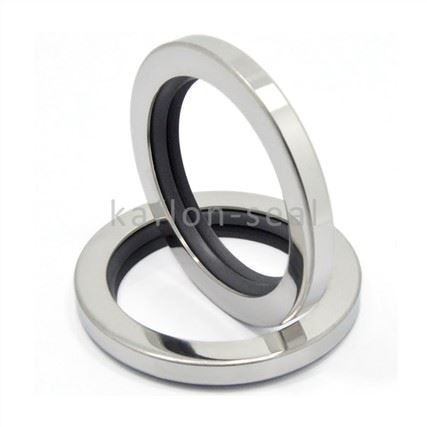


 Blog
BlogRotary shaft seals are essential components in various industrial applications, preventing the leakage of fluids such as oil and grease while keeping contaminants out. When it comes to rotary shaft seals, there are two main types: static and dynamic. Understanding the differences between these two types is crucial for selecting the right seal for your specific application. As a leading supplier of rotary shaft seals, I'll delve into the key differences between static and dynamic rotary shaft seals to help you make an informed decision.
Static Rotary Shaft Seals
Static rotary shaft seals are designed to prevent fluid leakage in applications where there is no relative motion between the sealing surfaces. These seals are typically used in stationary components or joints, such as flanges, covers, and housings. The primary function of a static seal is to create a tight and reliable barrier between two mating surfaces, preventing the escape of fluids and the ingress of contaminants.
One of the main advantages of static rotary shaft seals is their simplicity and reliability. Since there is no relative motion between the sealing surfaces, there is less wear and tear on the seal, resulting in a longer service life. Static seals are also less prone to leakage compared to dynamic seals, as there are no moving parts that can cause gaps or misalignments.
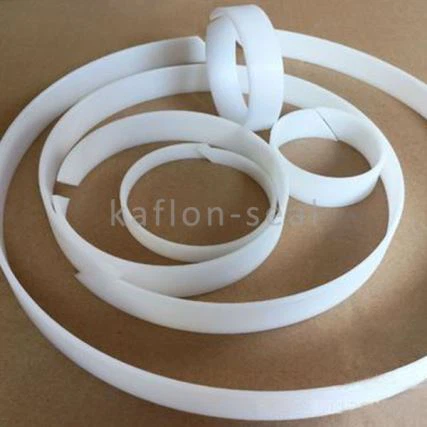
Another advantage of static rotary shaft seals is their ability to withstand high pressures and temperatures. These seals are typically made from materials such as rubber, silicone, or PTFE, which have excellent chemical resistance and can withstand a wide range of operating conditions. Static seals can also be designed to provide a high degree of flexibility, allowing them to conform to irregular surfaces and compensate for any minor misalignments.
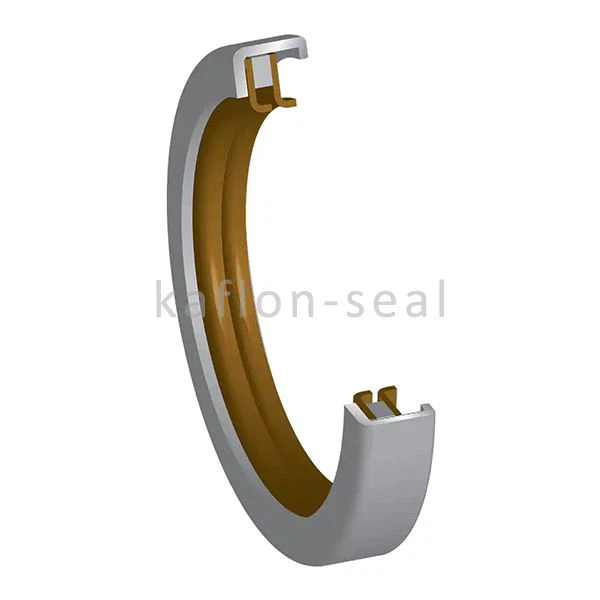

However, static rotary shaft seals do have some limitations. Since they are designed for stationary applications, they are not suitable for use in applications where there is relative motion between the sealing surfaces. Static seals also require a certain amount of compression to create a tight seal, which can make them difficult to install and remove.
Dynamic Rotary Shaft Seals
Dynamic rotary shaft seals, on the other hand, are designed to prevent fluid leakage in applications where there is relative motion between the sealing surfaces. These seals are typically used in rotating components such as shafts, bearings, and pumps. The primary function of a dynamic seal is to create a tight and reliable barrier between the rotating shaft and the stationary housing, preventing the escape of fluids and the ingress of contaminants.
One of the main advantages of dynamic rotary shaft seals is their ability to accommodate relative motion between the sealing surfaces. These seals are designed to flex and adapt to the movement of the shaft, ensuring a tight seal even under high-speed and high-pressure conditions. Dynamic seals are also less prone to leakage compared to static seals, as they are designed to compensate for any minor misalignments or vibrations.
Another advantage of dynamic rotary shaft seals is their ability to provide a high degree of precision and accuracy. These seals are typically made from materials such as rubber, silicone, or PTFE, which have excellent wear resistance and can withstand a wide range of operating conditions. Dynamic seals can also be designed to provide a high degree of flexibility, allowing them to conform to irregular surfaces and compensate for any minor misalignments.
However, dynamic rotary shaft seals do have some limitations. Since they are designed for rotating applications, they are more prone to wear and tear compared to static seals. Dynamic seals also require a certain amount of lubrication to reduce friction and prevent damage to the seal. Without proper lubrication, dynamic seals can overheat and fail, resulting in fluid leakage and equipment damage.
Key Differences Between Static and Dynamic Rotary Shaft Seals
Now that we've discussed the basic characteristics of static and dynamic rotary shaft seals, let's take a closer look at the key differences between these two types of seals.
1. Application
The most obvious difference between static and dynamic rotary shaft seals is their application. Static seals are designed for stationary applications, while dynamic seals are designed for rotating applications. This means that static seals are typically used in components such as flanges, covers, and housings, while dynamic seals are used in components such as shafts, bearings, and pumps.
2. Relative Motion
Another key difference between static and dynamic rotary shaft seals is the presence of relative motion between the sealing surfaces. Static seals are designed to prevent fluid leakage in applications where there is no relative motion between the sealing surfaces, while dynamic seals are designed to prevent fluid leakage in applications where there is relative motion between the sealing surfaces.
3. Wear and Tear
Since dynamic seals are designed to accommodate relative motion between the sealing surfaces, they are more prone to wear and tear compared to static seals. Dynamic seals require a certain amount of lubrication to reduce friction and prevent damage to the seal, while static seals do not require lubrication.
4. Installation and Removal
Static seals are typically easier to install and remove compared to dynamic seals. Since there is no relative motion between the sealing surfaces, static seals can be installed using simple tools and techniques. Dynamic seals, on the other hand, require more complex installation and removal procedures, as they need to be carefully aligned and lubricated to ensure proper operation.
5. Cost
Static seals are generally less expensive compared to dynamic seals. This is because static seals are simpler in design and require less material and manufacturing processes. Dynamic seals, on the other hand, are more complex in design and require more advanced materials and manufacturing processes, which can increase their cost.
Choosing the Right Rotary Shaft Seal
When choosing a rotary shaft seal, it's important to consider the specific requirements of your application. Here are some factors to consider when selecting a static or dynamic rotary shaft seal:
1. Operating Conditions
The operating conditions of your application, such as temperature, pressure, and speed, will have a significant impact on the performance of your rotary shaft seal. Static seals are typically more suitable for applications with low temperatures and pressures, while dynamic seals are more suitable for applications with high temperatures and pressures.
2. Fluid Compatibility
The type of fluid that your rotary shaft seal will be in contact with is another important factor to consider. Different materials have different chemical resistance properties, so it's important to choose a seal that is compatible with the fluid that it will be exposed to.
3. Shaft Speed and Diameter
The speed and diameter of the shaft that your rotary shaft seal will be installed on will also affect its performance. Dynamic seals are typically more suitable for high-speed applications, while static seals are more suitable for low-speed applications. The diameter of the shaft will also affect the size and design of the seal, so it's important to choose a seal that is the right size for your application.
4. Environmental Conditions
The environmental conditions of your application, such as dust, dirt, and moisture, will also have an impact on the performance of your rotary shaft seal. Static seals are typically more suitable for applications in clean environments, while dynamic seals are more suitable for applications in dirty or wet environments.
Our Rotary Shaft Seal Products
As a leading supplier of rotary shaft seals, we offer a wide range of static and dynamic seals to meet the needs of various industrial applications. Our product portfolio includes Rotary PTFE Lips Stainless Oil Seal, Vacuum Operation PTFE Stainless Oil Seal, and PTFE Stainless Rotary Shaft Seal.
Our seals are made from high-quality materials and are designed to provide excellent performance and reliability. We also offer custom sealing solutions to meet the specific requirements of our customers. Whether you need a static seal for a stationary application or a dynamic seal for a rotating application, we have the expertise and experience to provide you with the right solution.
Contact Us for Your Sealing Needs
If you're looking for high-quality rotary shaft seals for your industrial application, look no further. As a trusted supplier, we are committed to providing our customers with the best products and services. Whether you have questions about our products, need assistance in selecting the right seal for your application, or are ready to place an order, we're here to help.
Contact us today to start a conversation about your sealing requirements. Our team of experts is ready to assist you in finding the perfect solution for your needs. Let us help you ensure the efficiency and reliability of your equipment with our top-notch rotary shaft seals.
References
- "Sealing Technology Handbook" by John S. Campbell
- "Rotary Shaft Seals: Design, Selection, and Application" by Robert J. Schaefer
- "Handbook of Seal Design" by John D. Adamson