


 Popular Blog Posts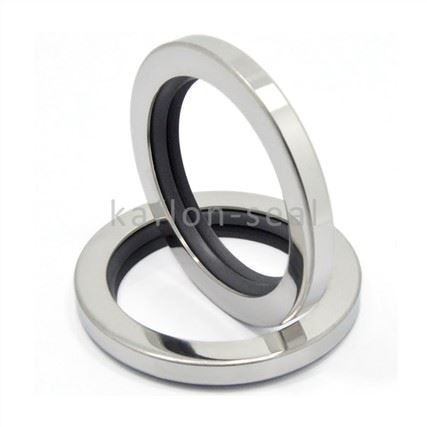



 Blog
BlogRotary shaft seals play a crucial role in various industrial applications, preventing the leakage of fluids such as oil, grease, and other lubricants while keeping contaminants out. As a leading supplier of rotary shaft seals, we often encounter inquiries about the differences between single - piece and multi - piece rotary shaft seals. In this blog, we will delve into the characteristics, advantages, and disadvantages of both types to help you make an informed decision for your specific application.
Single - Piece Rotary Shaft Seals
Single - piece rotary shaft seals, as the name implies, are constructed as a single unit. They are typically made from a single material or a combination of materials that are molded or formed into one continuous piece. These seals are designed to provide a simple and cost - effective solution for many applications.
Design and Construction
The design of single - piece seals is relatively straightforward. They usually consist of a sealing lip, a garter spring (in some cases), and a metal case or shell. The sealing lip is the part that comes into contact with the rotating shaft, creating a barrier against fluid leakage. The garter spring, if present, helps to maintain the proper contact pressure between the lip and the shaft, ensuring a tight seal. The metal case provides structural support and helps to mount the seal in the housing.
Advantages
- Simplicity: One of the main advantages of single - piece seals is their simplicity. They are easy to install and require minimal maintenance. Since they are a single unit, there is no need to worry about the alignment or assembly of multiple parts, which can save time and reduce the risk of installation errors.
- Cost - Effective: Single - piece seals are generally more cost - effective than multi - piece seals. The manufacturing process is less complex, which results in lower production costs. This makes them an attractive option for applications where cost is a major consideration.
- Compact Design: Single - piece seals have a more compact design compared to multi - piece seals. This can be beneficial in applications where space is limited, allowing for a more efficient use of the available space in the equipment.
Disadvantages
- Limited Flexibility: Single - piece seals may have limited flexibility in terms of design and performance. Once the seal is manufactured, it is difficult to modify its properties to suit different operating conditions. For example, if the application requires a different sealing lip geometry or a higher level of chemical resistance, a single - piece seal may not be the best choice.
- Lower Performance in Harsh Conditions: In harsh operating conditions, such as high temperatures, high pressures, or aggressive chemicals, single - piece seals may not perform as well as multi - piece seals. The single - piece construction may not be able to withstand the extreme conditions, leading to premature failure of the seal.
Multi - Piece Rotary Shaft Seals
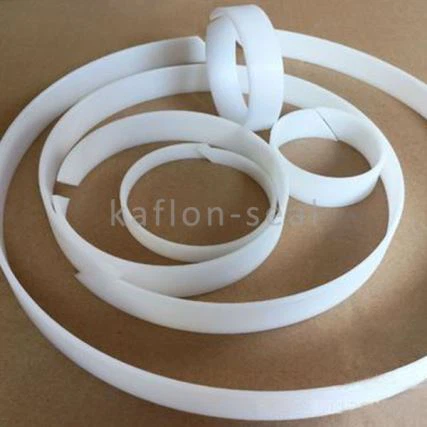
Multi - piece rotary shaft seals are composed of multiple components that are assembled together to form a complete seal. These components can include different types of sealing elements, such as elastomeric lips, PTFE (polytetrafluoroethylene) elements, and metal parts.
Design and Construction
The design of multi - piece seals is more complex than that of single - piece seals. They are often customized to meet the specific requirements of the application. For example, a multi - piece seal may have a combination of an elastomeric primary lip for fluid sealing and a PTFE secondary lip for enhanced chemical resistance. The components are carefully selected and assembled to ensure optimal performance.
Advantages
- High Performance: Multi - piece seals are capable of providing high - performance sealing solutions. They can be designed to withstand a wide range of operating conditions, including high temperatures, high pressures, and aggressive chemicals. The combination of different materials and sealing elements allows for a more tailored approach to sealing, ensuring a reliable and long - lasting seal.
- Flexibility: Multi - piece seals offer greater flexibility in terms of design and performance. They can be easily modified to suit different operating conditions by changing the type or configuration of the sealing elements. For example, if the application requires a higher level of chemical resistance, a PTFE sealing element can be added to the seal.
- Enhanced Durability: In harsh operating conditions, multi - piece seals tend to be more durable than single - piece seals. The multiple components work together to distribute the stresses and strains, reducing the risk of premature failure. This can result in longer service life and reduced maintenance costs.
Disadvantages
- Complexity: The main disadvantage of multi - piece seals is their complexity. They are more difficult to install and require a higher level of expertise. The alignment and assembly of multiple parts can be challenging, and any errors in the installation process can lead to seal failure.
- Higher Cost: Multi - piece seals are generally more expensive than single - piece seals. The manufacturing process is more complex, involving the production and assembly of multiple components. This results in higher production costs, which are passed on to the customer.
Applications
The choice between single - piece and multi - piece rotary shaft seals depends on the specific requirements of the application. Here are some common applications for each type:
Single - Piece Seals
- Automotive Applications: Single - piece seals are widely used in automotive applications, such as engine crankshaft seals, transmission seals, and wheel hub seals. These applications typically require a simple and cost - effective sealing solution, and single - piece seals are well - suited for this purpose.
- General Industrial Applications: In general industrial applications, such as pumps, motors, and conveyors, single - piece seals are often used to seal rotating shafts. They provide a reliable and economical solution for preventing fluid leakage in these types of equipment.
Multi - Piece Seals
- Medical Equipment: In medical equipment, such as surgical instruments and diagnostic devices, multi - piece seals are often used to ensure a high level of cleanliness and reliability. For example, the Medical Equipment Rotary PTFE POB Oil Seal is designed to meet the strict requirements of the medical industry, providing a tight seal against fluid leakage and preventing the ingress of contaminants.
- High - Performance Applications: Multi - piece seals are also used in high - performance applications, such as aerospace, marine, and power generation. These applications require seals that can withstand extreme operating conditions, such as high temperatures, high pressures, and aggressive chemicals. The Radial PTFE Shaft Seal and Dynamic Sealing Rotary Shaft Seal Ring are examples of multi - piece seals that are designed for high - performance applications.
Conclusion
In conclusion, both single - piece and multi - piece rotary shaft seals have their own unique characteristics, advantages, and disadvantages. The choice between the two depends on the specific requirements of the application, such as operating conditions, cost, and performance. As a supplier of rotary shaft seals, we have the expertise and experience to help you select the right seal for your application. Whether you need a simple and cost - effective single - piece seal or a high - performance multi - piece seal, we can provide you with the best solution.


If you are interested in learning more about our rotary shaft seals or would like to discuss your specific application requirements, please feel free to contact us. Our team of experts is ready to assist you in making the right choice and ensuring the optimal performance of your equipment.
References
- "Sealing Technology Handbook" by John H. Birk.
- "Rotary Shaft Seals: Design, Selection, and Application" by Thomas J. Scharrer.