


 Popular Blog Posts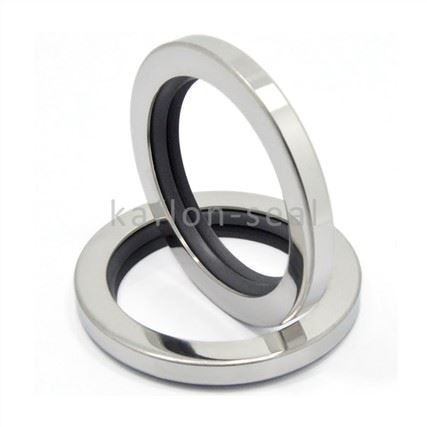



 Blog
BlogRotary shaft seals are crucial components in various mechanical systems, preventing the leakage of fluids such as oil and grease while keeping out contaminants. Among the different types of rotary shaft seals, rubber and plastic seals are two of the most commonly used. As a rotary shaft seals supplier, I often encounter customers who are confused about the differences between these two materials. In this blog post, I will delve into the characteristics, advantages, and applications of rubber and plastic rotary shaft seals to help you make an informed decision.
Material Properties
Rubber Rotary Shaft Seals
Rubber is a versatile material that has been used in the manufacturing of rotary shaft seals for many years. It offers excellent flexibility, elasticity, and resilience, which allows it to conform to irregular surfaces and maintain a tight seal. Natural rubber and synthetic rubbers such as nitrile butadiene rubber (NBR), ethylene propylene diene monomer (EPDM), and fluorocarbon rubber (FKM) are commonly used in seal production.
- Flexibility and Elasticity: Rubber seals can easily adapt to shaft movements and misalignments, ensuring a reliable seal even under dynamic conditions. Their high elasticity allows them to return to their original shape after being deformed, which helps to maintain the seal integrity over time.
- Chemical Resistance: Different types of rubber have varying degrees of chemical resistance. For example, NBR is resistant to oil and fuel, making it suitable for automotive and industrial applications. EPDM offers good resistance to water, steam, and weathering, making it ideal for outdoor and marine applications. FKM is highly resistant to chemicals, high temperatures, and fuels, making it suitable for demanding environments such as aerospace and chemical processing.
- Low Friction: Rubber seals typically have low friction coefficients, which reduces wear on the shaft and extends the service life of the seal. This is especially important in high-speed applications where excessive friction can lead to overheating and premature seal failure.
Plastic Rotary Shaft Seals
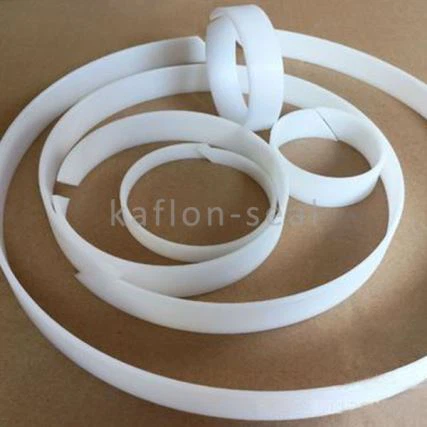
Plastic materials such as polytetrafluoroethylene (PTFE), polyether ether ketone (PEEK), and nylon are increasingly being used in the production of rotary shaft seals. These materials offer unique properties that make them suitable for specific applications.
- High Temperature Resistance: PTFE and PEEK have excellent high-temperature resistance, allowing them to operate in environments where rubber seals would degrade or fail. PTFE can withstand temperatures up to 260°C (500°F), while PEEK can operate at temperatures up to 250°C (482°F). This makes them suitable for applications such as engine seals, exhaust systems, and industrial ovens.
- Chemical Inertness: Plastic seals are highly resistant to a wide range of chemicals, including acids, bases, solvents, and fuels. PTFE, in particular, is known for its chemical inertness and is often used in chemical processing, pharmaceutical, and food industries where contact with aggressive chemicals is common.
- Low Wear and Friction: Plastic materials have low wear rates and friction coefficients, which reduces energy consumption and extends the service life of the seal. This is especially beneficial in high-speed and high-load applications where minimizing friction and wear is crucial.
Performance and Applications
Rubber Rotary Shaft Seals
Rubber seals are widely used in a variety of applications due to their versatility and cost-effectiveness. They are commonly found in automotive engines, transmissions, pumps, and industrial machinery.
- Automotive Applications: In automotive engines, rubber seals are used to prevent oil leakage from the crankshaft, camshaft, and other rotating components. NBR seals are commonly used in engine oil seals, while FKM seals are used in high-temperature applications such as turbocharger seals.
- Industrial Machinery: Rubber seals are used in a wide range of industrial machinery, including pumps, compressors, and conveyors. They are used to seal fluids such as oil, water, and hydraulic fluids, and to prevent the ingress of contaminants.
- Consumer Goods: Rubber seals are also used in consumer goods such as appliances, furniture, and sporting equipment. For example, rubber gaskets are used in refrigerators and washing machines to prevent water leakage, while rubber seals are used in sports shoes to provide a comfortable and secure fit.
Plastic Rotary Shaft Seals
Plastic seals are often used in applications where rubber seals are not suitable due to their limitations in terms of temperature, chemical resistance, or wear. They are commonly found in high-performance and specialized applications.
- Aerospace and Defense: In the aerospace and defense industries, plastic seals are used in critical applications such as aircraft engines, hydraulic systems, and missile guidance systems. PTFE seals are commonly used in these applications due to their high temperature resistance, chemical inertness, and low friction.
- Chemical Processing: Plastic seals are widely used in chemical processing plants to prevent the leakage of corrosive chemicals. PTFE and PEEK seals are commonly used in pumps, valves, and pipelines to ensure a reliable seal in harsh chemical environments.
- Food and Pharmaceutical Industries: Plastic seals are used in the food and pharmaceutical industries to ensure the safety and hygiene of the products. PTFE seals are commonly used in food processing equipment and pharmaceutical manufacturing due to their chemical inertness and non-toxicity.
Design and Manufacturing Considerations
Rubber Rotary Shaft Seals
The design and manufacturing of rubber seals require careful consideration of several factors to ensure optimal performance.
- Seal Geometry: The shape and dimensions of the seal are critical to its performance. The lip design, for example, affects the seal's ability to conform to the shaft and maintain a tight seal. Different lip designs are available, including single-lip, double-lip, and multi-lip seals, each with its own advantages and applications.
- Compression and Interference: The amount of compression and interference between the seal and the shaft is important to ensure a proper seal. Too much compression can lead to excessive friction and wear, while too little compression can result in leakage. The design of the seal housing and the shaft surface finish also play a role in determining the optimal compression and interference.
- Molding and Vulcanization: Rubber seals are typically manufactured using molding and vulcanization processes. The molding process determines the shape and dimensions of the seal, while the vulcanization process cross-links the rubber molecules, giving the seal its desired properties such as elasticity, strength, and chemical resistance.
Plastic Rotary Shaft Seals
The design and manufacturing of plastic seals also require careful consideration of several factors.
- Machining and Forming: Plastic seals can be machined or formed into various shapes and sizes using processes such as injection molding, extrusion, and machining. The choice of manufacturing process depends on the complexity of the seal design, the material properties, and the production volume.
- Surface Finish: The surface finish of the plastic seal is important to ensure a proper seal and reduce friction. A smooth surface finish can help to minimize wear on the shaft and improve the seal performance. Surface treatments such as polishing or coating can be applied to enhance the surface properties of the seal.
- Assembly and Installation: Plastic seals may require special assembly and installation techniques due to their unique properties. For example, PTFE seals are often installed using a pre-lubricated installation tool to prevent damage to the seal during installation. Proper alignment and torqueing of the seal housing are also important to ensure a reliable seal.
Cost and Availability
Rubber Rotary Shaft Seals
Rubber seals are generally more cost-effective than plastic seals, especially for large-volume applications. The raw materials for rubber seals are widely available, and the manufacturing processes are well-established, which helps to keep the costs down. However, the cost of rubber seals can vary depending on the type of rubber, the complexity of the design, and the production volume.
Plastic Rotary Shaft Seals
Plastic seals are typically more expensive than rubber seals due to the higher cost of the raw materials and the more complex manufacturing processes. However, their superior performance and longer service life can offset the higher initial cost in some applications. The availability of plastic seals may also be limited in some regions, especially for specialized materials such as PTFE and PEEK.


Conclusion
In conclusion, rubber and plastic rotary shaft seals have their own unique characteristics, advantages, and applications. Rubber seals are versatile, cost-effective, and suitable for a wide range of applications. They offer good flexibility, chemical resistance, and low friction, making them ideal for automotive, industrial, and general-purpose applications. Plastic seals, on the other hand, offer excellent high-temperature resistance, chemical inertness, and low wear and friction, making them suitable for demanding environments such as aerospace, chemical processing, and high-speed applications.
As a rotary shaft seals supplier, we offer a wide range of rubber and plastic seals to meet the diverse needs of our customers. Our PTFE Stainless Rotary Shaft Seal is a high-performance seal that combines the excellent properties of PTFE with the durability of stainless steel. Our Vacuum Operation PTFE Stainless Oil Seal is designed for use in vacuum applications, providing a reliable seal even under low-pressure conditions. Our Dynamic Sealing Rotary Shaft Seal Ring is a versatile seal that can be used in various dynamic applications, offering excellent sealing performance and long service life.
If you are looking for high-quality rotary shaft seals, we invite you to contact us for more information and to discuss your specific requirements. Our team of experts is ready to assist you in selecting the right seal for your application and to provide you with the best possible service.
References
- "Sealing Technology Handbook" by John H. Bickford
- "Rotary Shaft Seals: Design, Selection, and Application" by David A. Dowson
- "Plastic Materials" by John A. Brydson