


 Popular Blog Posts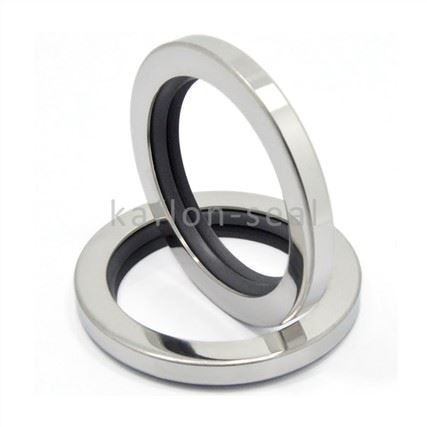



 Blog
BlogHey there! As a supplier of PTFE Lip Seals, I've seen my fair share of these seals in action and have also dealt with their failures. In this blog, I'm gonna talk about the common failure modes of PTFE Lip Seals.
1. Wear and Tear
One of the most common failure modes of PTFE Lip Seals is wear and tear. PTFE, while a great material with excellent chemical resistance and low friction, isn't invincible. When the seal is in contact with a rotating shaft, over time, the constant rubbing causes the lip of the seal to wear down.
Imagine a car tire. The more you drive, the more the tread wears off. Similarly, the lip of the PTFE seal gets thinner as it rubs against the shaft. This wear can be accelerated if the shaft surface isn't smooth enough. Rough shafts can act like sandpaper on the seal, causing it to wear out much faster.


Another factor that can contribute to wear is the presence of abrasive particles in the fluid that the seal is supposed to contain. These particles can get trapped between the seal lip and the shaft, and every time the shaft rotates, they grind away at the seal.
To combat wear, it's important to choose a PTFE Lip Seal with the right hardness and surface finish. Also, ensuring that the shaft has a smooth surface and that the fluid is clean can significantly extend the life of the seal. For example, our Dynamic Sealing Rotary Shaft Seal Ring is designed with a special surface treatment to reduce wear and improve its durability.
2. Chemical Compatibility Issues
PTFE is known for its excellent chemical resistance, but that doesn't mean it can withstand every chemical out there. If the seal is exposed to a chemical that it's not compatible with, it can start to degrade.
Some chemicals can react with the PTFE material, causing it to swell, crack, or lose its mechanical properties. For instance, certain strong oxidizing agents can break down the PTFE chains, making the seal brittle and prone to failure.
Before selecting a PTFE Lip Seal, it's crucial to know what chemicals it will be in contact with. You can refer to chemical compatibility charts provided by seal manufacturers or do some testing to ensure that the seal will work well in your specific application. Our Rotary PTFE Lips Stainless Oil Seal is tested for compatibility with a wide range of common fluids, but if you have a unique chemical environment, we can work with you to find the best solution.
3. Installation Errors
Believe it or not, installation errors are a major cause of PTFE Lip Seal failures. If the seal isn't installed correctly, it won't be able to perform its job properly.
One common installation mistake is over-tightening the seal. When you over-tighten a PTFE Lip Seal, it can distort the shape of the lip, preventing it from making a proper seal against the shaft. This can lead to leakage and premature wear.
Another issue is improper alignment. If the seal isn't aligned correctly with the shaft, it can cause uneven pressure distribution on the lip. This uneven pressure can lead to accelerated wear on one side of the seal, eventually causing it to fail.
To avoid installation errors, it's important to follow the manufacturer's installation instructions carefully. Make sure you have the right tools and that you're applying the correct amount of force during installation.
4. Temperature Extremes
PTFE Lip Seals have a certain temperature range within which they can operate effectively. If the temperature goes beyond this range, it can cause problems.
At high temperatures, PTFE can start to soften and lose its shape. This can lead to a loss of sealing performance as the seal lip may not be able to maintain the necessary contact pressure against the shaft. On the other hand, at very low temperatures, PTFE can become brittle and crack.
When selecting a PTFE Lip Seal for your application, you need to consider the operating temperature. If you expect to have extreme temperature conditions, you may need to choose a special type of PTFE or a seal with additional heat-resistant or cold-resistant features. Our Vacuum Operation PTFE Stainless Oil Seal is designed to perform well in a wide range of temperatures, but we can also customize seals for more extreme conditions.
5. Pressure Issues
PTFE Lip Seals are designed to work within a certain pressure range. If the pressure exceeds this range, it can cause the seal to fail.
High pressure can force the seal lip to deform or even push it out of its housing. This can result in leakage and a complete loss of sealing function. On the other hand, low pressure can also be a problem. If the pressure is too low, the seal may not be able to maintain a proper seal against the shaft, allowing fluid to leak past it.
When specifying a PTFE Lip Seal, it's important to know the maximum and minimum pressures that it will be exposed to. Our team can help you select the right seal for your pressure requirements.
In conclusion, understanding the common failure modes of PTFE Lip Seals is crucial for ensuring their proper performance and longevity. By taking steps to address these issues, such as choosing the right seal, ensuring proper installation, and monitoring the operating conditions, you can significantly reduce the chances of seal failure.
If you're in the market for high-quality PTFE Lip Seals or have any questions about our products, feel free to reach out to us. We're here to help you find the best sealing solutions for your needs.
References
- "Sealing Technology Handbook" by John S. Adamson
- "PTFE Materials and Applications" by various authors