


 Popular Blog Posts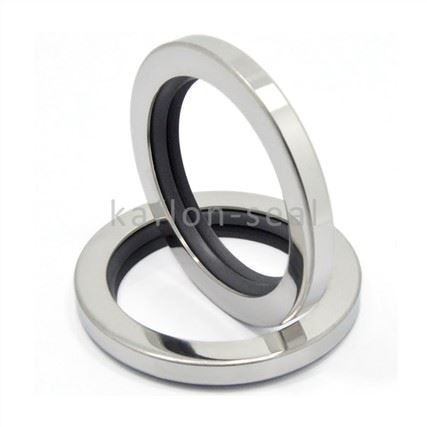


 Blog
BlogHey there! As a supplier of Rotary Shaft Seals, I've seen my fair share of issues with seal leakage. It's a common problem that can lead to all sorts of headaches, from equipment breakdowns to environmental hazards. In this blog, I'm gonna dive into the common causes of rotary shaft seal leakage and give you some insights on how to prevent it.
1. Improper Installation
One of the most frequent causes of seal leakage is improper installation. You know, it's like trying to fit a square peg into a round hole. If the seal isn't installed correctly, it won't be able to do its job properly.
For starters, the shaft and the housing need to be clean and free of any debris or burrs. Even a tiny piece of dirt can cause the seal to leak. When installing the seal, you've got to make sure it's centered and seated evenly. If it's tilted or misaligned, it can create gaps where fluid can escape.
Also, using the wrong tools for installation can damage the seal. For example, if you use a sharp object to pry the seal into place, it can cut or tear the sealing lip. And don't forget about the installation force. Applying too much force can distort the seal, while too little force may not allow the seal to make proper contact with the shaft and housing.
2. Shaft Surface Conditions
The condition of the shaft surface plays a huge role in seal performance. A rough or damaged shaft can wear down the seal quickly, leading to leakage.
Shafts with high surface roughness can cause excessive friction between the seal and the shaft. This friction generates heat, which can degrade the seal material over time. And if the shaft has scratches, nicks, or grooves, it can create channels for fluid to leak through.
Corrosion on the shaft is another problem. Rust or other forms of corrosion can change the shape and smoothness of the shaft surface, making it difficult for the seal to maintain a tight seal.
3. Seal Material Compatibility
Not all seal materials are created equal, and using the wrong material for your application can spell trouble. Different fluids and operating conditions require different seal materials.
For example, if you're dealing with a chemical that's aggressive to a particular seal material, the seal can swell, harden, or dissolve. This will obviously compromise the seal's ability to prevent leakage.
Temperature is also a crucial factor. Some seal materials can't withstand high temperatures and may become soft and lose their sealing properties. On the other hand, in cold temperatures, some materials can become brittle and crack.
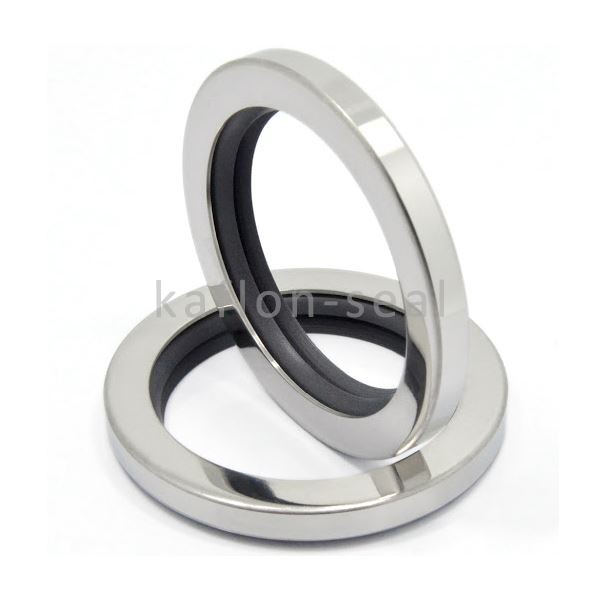
As a Rotary Shaft Seals supplier, we offer a variety of seal materials to ensure compatibility with different applications. Our PTFE Filled POB Shaft Seal is a great option for applications where chemical resistance and high-temperature performance are required.
4. Excessive Pressure and Temperature
Excessive pressure and temperature can put a lot of stress on the seal. When the pressure inside the system is too high, it can force the fluid past the seal. This is especially true if the seal isn't designed to handle high pressures.
High temperatures can have a similar effect. As mentioned earlier, heat can cause the seal material to degrade. It can also increase the internal pressure of the system, further contributing to leakage.

On the flip side, low temperatures can make the seal material stiff and less flexible. This can cause the seal to lose its ability to conform to the shaft and housing, leading to gaps and leakage.
5. Fluid Contamination
Contaminated fluid can be a real nightmare for seals. Particles in the fluid, such as dirt, sand, or metal chips, can act like abrasives. They can wear down the seal lip, creating leaks.
In addition to solid particles, chemical contaminants can also damage the seal. For example, if there are acids or alkalis in the fluid, they can react with the seal material and cause it to deteriorate.
6. Wear and Tear
Over time, seals naturally wear out. The constant contact between the seal and the shaft, along with the effects of temperature, pressure, and fluid, can cause the seal to degrade.
The sealing lip is the most critical part of the seal, and it's the first to show signs of wear. As the lip wears down, it loses its ability to maintain a tight seal, and leakage can occur.
Preventing Rotary Shaft Seal Leakage
Now that we've covered the common causes of seal leakage, let's talk about how to prevent it.
- Proper Installation: Follow the manufacturer's installation instructions carefully. Use the right tools and make sure the shaft and housing are clean and in good condition.
- Shaft Maintenance: Keep the shaft surface smooth and free of damage. Regularly inspect the shaft for signs of wear, corrosion, or damage.
- Material Selection: Choose the right seal material based on the fluid, temperature, and pressure of your application. We offer a wide range of seal materials, including our Double Lips PTFE Oil Seal and Radial PTFE Shaft Seal, to meet different requirements.
- Fluid Management: Keep the fluid clean and free of contaminants. Use filters if necessary to remove particles from the fluid.
- Regular Inspection and Replacement: Periodically inspect the seals for signs of wear, damage, or leakage. Replace the seals before they fail completely.
Conclusion
Rotary shaft seal leakage can be a frustrating problem, but by understanding the common causes and taking preventive measures, you can minimize the risk. At our company, we're committed to providing high-quality Rotary Shaft Seals that meet your specific needs.
If you're facing seal leakage issues or need help selecting the right seal for your application, don't hesitate to contact us. We're here to assist you in finding the best solutions and ensuring the smooth operation of your equipment.
References
- "Sealing Technology Handbook" by John H. Birk.
- Various industry research papers on rotary shaft seal performance.