


 Popular Blog Posts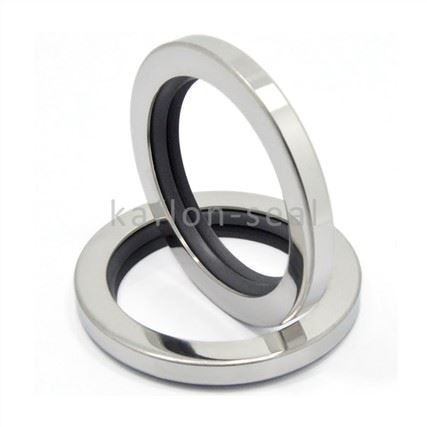


 Blog
BlogWhat are the changes in performance of a radial oil seal in a high - altitude environment?
As a trusted supplier of radial oil seals, I've witnessed firsthand the diverse operating conditions these crucial components endure. High - altitude environments present a unique set of challenges that can significantly impact the performance of radial oil seals. In this blog, we'll delve into the specific changes that occur and how they affect the functionality of these seals.
1. Atmospheric Pressure Variation
One of the most prominent features of high - altitude environments is the decrease in atmospheric pressure. At sea - level, the standard atmospheric pressure is about 101.3 kPa. As altitude increases, this pressure drops. For instance, at an altitude of 5000 meters, the atmospheric pressure can be as low as 54 kPa.
This reduction in pressure has a direct impact on the radial oil seal. The pressure differential across the seal changes, which can lead to alterations in the sealing mechanism. Radial oil seals typically rely on a specific pressure balance to maintain an effective seal. With the decrease in external pressure, the internal pressure within the system may cause the seal to deform more than it would at lower altitudes. This deformation can result in leakage if the seal is not designed to handle such pressure differentials.
Our Rotary PTFE Lips Stainless Oil Seal is engineered to withstand these pressure variations. The PTFE material has excellent flexibility and resilience, allowing it to adapt to changes in pressure without losing its sealing integrity. The stainless - steel construction provides additional strength, ensuring that the seal maintains its shape even under the stress of high - altitude pressure differentials.

2. Temperature Fluctuations
High - altitude regions often experience more extreme temperature fluctuations compared to lower - altitude areas. During the day, the sun's radiation can cause temperatures to rise significantly, while at night, the lack of a thick atmosphere to retain heat leads to rapid cooling.
These temperature changes can affect the physical properties of the radial oil seal material. Most elastomeric materials used in oil seals have a specific temperature range within which they perform optimally. When exposed to high temperatures, the rubber or elastomer can become softer and more prone to wear. Conversely, at low temperatures, it may harden and lose its flexibility, making it less effective at sealing.
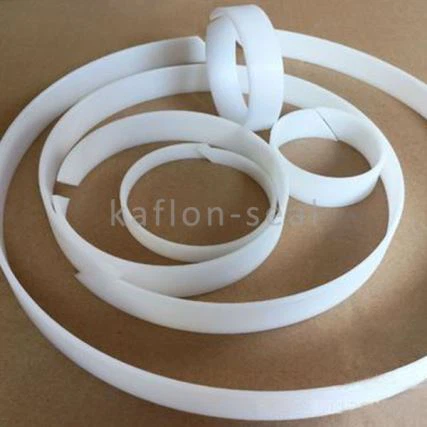
Our Double Lips PTFE Oil Seal is well - suited to handle these temperature variations. PTFE has a wide operating temperature range, from - 200°C to 260°C. This means that whether it's a scorching day or a freezing night in the high - altitude environment, the seal will maintain its performance. The double - lip design also provides an extra layer of protection, ensuring that the oil remains sealed even under extreme temperature conditions.
3. Reduced Oxygen and Increased UV Radiation
High - altitude environments typically have lower oxygen levels and are exposed to higher levels of UV radiation. Oxygen is an important factor in the aging process of elastomeric materials. With reduced oxygen, the rate of oxidation of the seal material may decrease, which could potentially extend the seal's lifespan.
However, the increased UV radiation can have a detrimental effect. UV rays can break down the chemical bonds in the seal material, causing it to become brittle and crack over time. This can lead to leaks and a decrease in the overall performance of the radial oil seal.
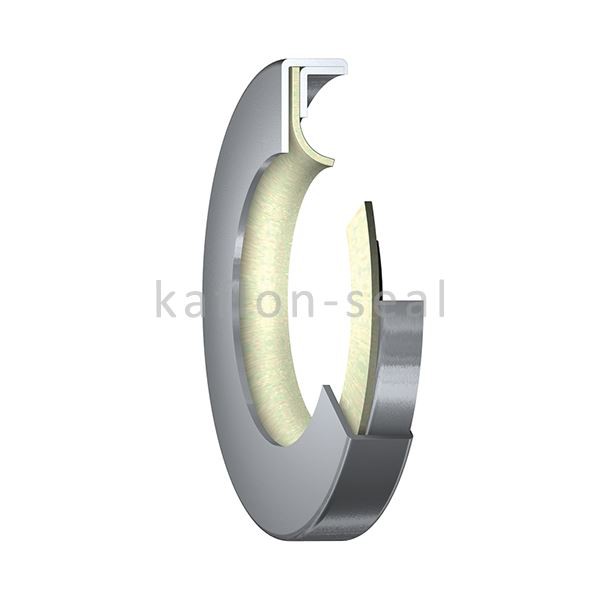
To combat the effects of UV radiation, our Friction Coefficients PTFE Oil Seal Seal is treated with special additives that provide UV resistance. These additives help to protect the PTFE material from the harmful effects of UV radiation, ensuring that the seal remains in good condition for a longer period. Additionally, the low friction coefficient of PTFE reduces the heat generated during operation, further minimizing the impact of temperature - related wear.
4. Impact on Lubrication
The performance of a radial oil seal is closely related to the lubrication within the system. In a high - altitude environment, the reduced air density can affect the way lubricants behave. Lubricants may evaporate more quickly due to the lower atmospheric pressure and higher temperatures. This can lead to a decrease in the lubrication film thickness between the seal and the shaft, increasing friction and wear.
Our radial oil seals are designed to work in conjunction with high - performance lubricants. We recommend using lubricants that are specifically formulated for high - altitude applications. These lubricants have better resistance to evaporation and can maintain a stable lubrication film even under the challenging conditions of high - altitude environments.
5. Material Fatigue
The combined effects of pressure variations, temperature fluctuations, and UV radiation can lead to material fatigue in the radial oil seal. Fatigue occurs when the material is subjected to repeated stress cycles over time. In a high - altitude environment, the seal is constantly exposed to changing conditions, which can accelerate the fatigue process.
When a seal experiences material fatigue, it may develop cracks or lose its elasticity. This can result in leaks and a significant reduction in the seal's performance. To address this issue, our seals are made from high - quality materials and undergo rigorous testing to ensure their durability. We use advanced manufacturing processes to enhance the material's resistance to fatigue, ensuring that our radial oil seals can withstand the long - term challenges of high - altitude operation.
Conclusion
In conclusion, high - altitude environments pose several challenges to the performance of radial oil seals. The changes in atmospheric pressure, temperature, oxygen levels, UV radiation, and lubrication all have a significant impact on the seal's functionality. However, with the right design and materials, these challenges can be overcome.
As a leading supplier of radial oil seals, we are committed to providing our customers with products that are specifically designed for high - altitude applications. Our Rotary PTFE Lips Stainless Oil Seal, Double Lips PTFE Oil Seal, and Friction Coefficients PTFE Oil Seal Seal are all engineered to meet the unique demands of high - altitude environments.
If you are in need of radial oil seals for high - altitude applications, we invite you to contact us for a detailed discussion about your requirements. Our team of experts is ready to assist you in selecting the most suitable product for your specific needs.
References
- "Sealing Technology Handbook" by John H. Birk, which provides in - depth knowledge about the principles and applications of various sealing technologies.
- "Materials Science for Engineers" by Donald Askeland, offering insights into the properties and behaviors of different materials used in engineering applications, including those for seals.
- Research papers on high - altitude engineering and the performance of mechanical components in extreme environments, available in academic databases.