


 Popular Blog Posts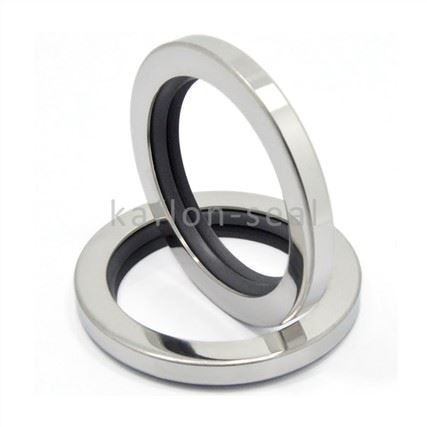



 Blog
BlogHey there! I'm a supplier of Rotary Glyd Rings, and I've seen my fair share of issues that folks run into with these nifty little seals. In this blog, I'll walk you through how to troubleshoot problems with Rotary Glyd Rings.
First off, let's talk about what Rotary Glyd Rings are. They're a type of sealing device used in hydraulic cylinders and other rotary applications. They're designed to prevent fluid leakage while the shaft is rotating, which is super important for the proper functioning of the equipment.
1. Leakage Issues
One of the most common problems with Rotary Glyd Rings is leakage. If you notice fluid leaking from the area where the Rotary Glyd Ring is installed, there could be a few reasons for this.
Installation Errors
A lot of times, leakage can be traced back to improper installation. Maybe the ring wasn't seated correctly in the groove, or it got damaged during the installation process. When you're installing a Rotary Glyd Ring, make sure the groove is clean and free of any debris. The ring should fit snugly in the groove without any gaps or twists. If you're not careful, you might end up with a misaligned ring that won't seal properly.
For example, if the ring is installed at an angle, it won't make full contact with the shaft, and fluid can easily leak past it. So, take your time during installation and double - check that everything is in place.
Wear and Tear
Over time, Rotary Glyd Rings can wear out. The constant friction between the ring and the shaft can cause the material to degrade. If you've been using the ring for a long time, it might be time for a replacement. Look for signs of excessive wear, like thinning of the ring or visible damage to the sealing lip.
Sometimes, the operating conditions can also speed up the wear process. High temperatures, high pressures, or the presence of abrasive particles in the fluid can all take a toll on the ring. If you suspect wear and tear is the issue, it's a good idea to replace the ring with a new one.
Incorrect Ring Selection
Using the wrong size or type of Rotary Glyd Ring can also lead to leakage. Make sure you're choosing the right ring for your application. Consider factors like the shaft diameter, the operating pressure, and the type of fluid being sealed. If you're not sure which ring to use, you can always reach out to us for advice.
2. Excessive Friction
Another problem you might encounter is excessive friction. This can cause the shaft to heat up, increase energy consumption, and even lead to premature wear of the ring and the shaft.
Improper Lubrication
Lack of proper lubrication is a common cause of excessive friction. The Rotary Glyd Ring needs to be lubricated to reduce the friction between it and the shaft. If the lubricant is not of the right type or if it's not applied correctly, you'll end up with a lot of friction.
Check the manufacturer's recommendations for the type of lubricant to use. Also, make sure the lubricant is applied evenly and in the right amount. Too little lubricant won't do the job, but too much can also cause problems.
Misaligned Shaft
A misaligned shaft can also increase friction. If the shaft is not centered properly, the Rotary Glyd Ring will have to work harder to seal, resulting in more friction. You can use alignment tools to check and correct the alignment of the shaft. This might seem like a small thing, but it can make a big difference in the performance of the ring.
3. Noise and Vibration
If you hear strange noises or feel vibrations coming from the area where the Rotary Glyd Ring is installed, there's likely an issue.
Cavitation
Cavitation can be a cause of noise and vibration. Cavitation occurs when the pressure in the fluid drops below the vapor pressure, causing bubbles to form. When these bubbles collapse, they create a shock wave that can cause noise and vibration.


To prevent cavitation, make sure the system is operating within the recommended pressure range. You might also need to check the fluid level and the quality of the fluid. If the fluid is contaminated or has a low viscosity, it can increase the risk of cavitation.
Loose Components
Sometimes, loose components can also cause noise and vibration. Check if the Rotary Glyd Ring is securely installed in the groove. Also, make sure all the other parts of the system, like the bolts and nuts, are tightened properly. A loose ring or other components can move around, creating unwanted noise and vibration.
Other Related Sealing Products
If you're facing issues with Rotary Glyd Rings, you might also be interested in some of our other sealing products. For example, we offer Double Lips PTFE Oil Seal, which can provide an extra layer of sealing protection. The double - lip design helps to prevent fluid leakage more effectively.
We also have Radial Shaft Seals With PTFE Lips. These seals are great for applications where you need a high - performance seal that can withstand harsh conditions. The PTFE lips offer excellent chemical resistance and low friction.
And if you're dealing with rotating motions, our Rotating Motions PTFE Shaft Seals are a great option. They're specifically designed to handle the unique demands of rotating shafts.
Conclusion
Troubleshooting problems with Rotary Glyd Rings might seem like a daunting task, but if you break it down into smaller steps, it becomes much more manageable. By checking for installation errors, wear and tear, incorrect ring selection, improper lubrication, misaligned shafts, cavitation, and loose components, you can identify and fix most issues.
If you're still having trouble or if you're not sure which product is right for your application, don't hesitate to reach out to us. We're here to help you find the best sealing solutions for your needs. Whether you need a new Rotary Glyd Ring or one of our other sealing products, we've got you covered. So, let's get in touch and start talking about your requirements!
References
- Hydraulic Sealing Handbook, various industry publications
- Manufacturer's guides for Rotary Glyd Rings and related sealing products