


 Popular Blog Posts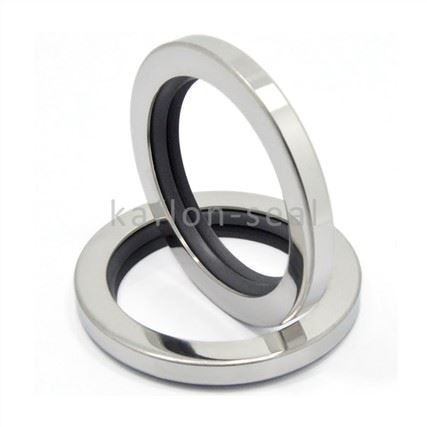


 Blog
BlogHey there! As a supplier of Rotary Glyd Rings, I've been getting a bunch of questions lately about how to test the sealing performance of these nifty little things. So, I thought I'd sit down and share some tips and tricks that I've picked up over the years.
First off, let's talk about why testing the sealing performance of Rotary Glyd Rings is so important. These rings are used in a wide range of applications, from hydraulic cylinders to automotive engines. Their main job is to prevent fluid leakage and keep contaminants out. If they don't seal properly, it can lead to all sorts of problems, like reduced efficiency, increased wear and tear, and even system failure. So, making sure they're up to the task is crucial.
Visual Inspection
The first step in testing the sealing performance of Rotary Glyd Rings is a good old-fashioned visual inspection. This might seem like a no-brainer, but it can actually tell you a lot about the condition of the ring. Start by looking for any obvious signs of damage, like cuts, tears, or deformities. If you see any of these, the ring is probably not going to seal properly and should be replaced.
Next, check the surface of the ring for smoothness. It should be free of any rough spots or burrs, as these can cause leaks. You can use a magnifying glass or a microscope to get a closer look if needed. Also, make sure the ring is the right size and shape for the application. If it's too big or too small, it won't fit properly and won't seal effectively.
Pressure Testing
Once you've done a visual inspection, it's time to move on to pressure testing. This is one of the most common and effective ways to test the sealing performance of Rotary Glyd Rings. There are a few different methods you can use, but the basic idea is to apply pressure to the ring and see if it holds up.
One way to do this is to use a pressure chamber. You'll need to place the ring in the chamber and then apply a specific amount of pressure. You can use a pressure gauge to monitor the pressure and make sure it stays within the recommended range. If the pressure drops over time, it could be a sign that the ring is leaking.
Another method is to use a hydraulic test rig. This is a more complex setup, but it allows you to simulate real-world conditions more accurately. You can use the rig to apply different levels of pressure and see how the ring responds. You can also measure the amount of fluid that leaks past the ring to get a more precise idea of its sealing performance.
Temperature Testing
In addition to pressure testing, it's also important to test the sealing performance of Rotary Glyd Rings at different temperatures. The temperature can have a big impact on the performance of the ring, as it can cause the material to expand or contract. This can lead to leaks if the ring is not designed to handle the temperature changes.
To test the ring at different temperatures, you can use a temperature chamber. You'll need to place the ring in the chamber and then adjust the temperature to the desired level. You can then apply pressure and see how the ring performs. Make sure to test the ring at both high and low temperatures to get a full picture of its performance.
Material Compatibility Testing
Another factor that can affect the sealing performance of Rotary Glyd Rings is the compatibility of the material with the fluid it's in contact with. Different fluids can have different chemical properties, and some materials may not be compatible with certain fluids. This can cause the ring to swell, shrink, or degrade over time, which can lead to leaks.

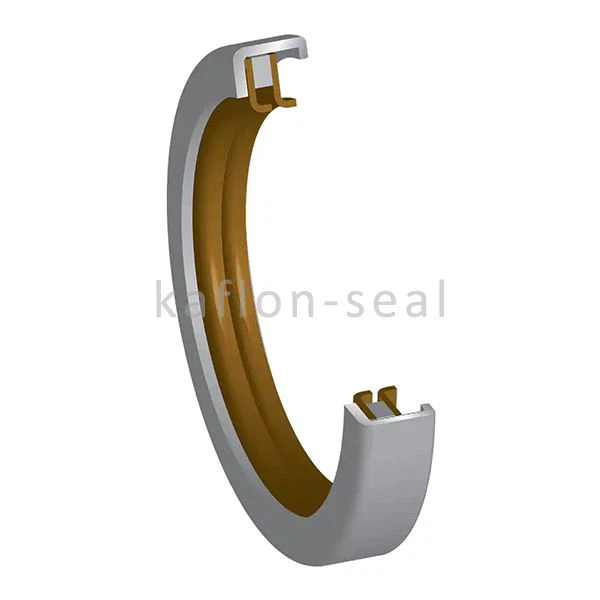
To test the material compatibility, you'll need to expose the ring to the fluid for a certain period of time. You can then check the ring for any signs of damage or degradation. You can also measure the dimensions of the ring before and after exposure to see if there has been any change. If the ring shows any signs of damage or if its dimensions have changed significantly, it may not be compatible with the fluid and should be replaced.
Vacuum Testing
Vacuum testing is another important aspect of testing the sealing performance of Rotary Glyd Rings. In some applications, the ring may be subjected to vacuum conditions, and it's important to make sure it can hold up under these conditions. To perform a vacuum test, you'll need to use a vacuum chamber.
Place the ring in the chamber and then create a vacuum. You can use a vacuum gauge to monitor the pressure and make sure it stays within the recommended range. If the pressure rises over time, it could be a sign that the ring is leaking. You can also use a leak detector to pinpoint the source of the leak.
Tips for a Successful Test
Now that you know the different methods for testing the sealing performance of Rotary Glyd Rings, here are some tips to help you get the most accurate results:
- Follow the manufacturer's instructions: The manufacturer of the Rotary Glyd Ring should provide specific instructions on how to test the ring. Make sure to follow these instructions carefully to ensure accurate results.
- Use the right equipment: Make sure you have the right equipment for the test. This includes pressure gauges, temperature chambers, vacuum chambers, and leak detectors. Using the wrong equipment can lead to inaccurate results.
- Test multiple samples: To get a more accurate picture of the sealing performance of the Rotary Glyd Rings, it's a good idea to test multiple samples. This will help you identify any variations in the performance of the rings.
- Record your results: Keep a record of your test results, including the pressure, temperature, and any signs of leakage. This will help you track the performance of the rings over time and identify any trends or issues.
Related Products
If you're interested in learning more about other types of seals, check out our Vacuum Operation PTFE Stainless Oil Seal, Radial Shaft Seals With PTFE Lips, and Screw Comprosser PTFE Oil Seal. These products are designed to provide reliable sealing performance in a variety of applications.
Conclusion
Testing the sealing performance of Rotary Glyd Rings is an important part of ensuring their reliability and effectiveness. By following the methods and tips outlined in this blog post, you can get a better understanding of the performance of the rings and make sure they're up to the task. If you have any questions or need more information, don't hesitate to reach out. We're here to help you find the right sealing solutions for your needs. Whether you're looking for a specific type of Rotary Glyd Ring or need advice on testing and installation, we've got you covered. So, why wait? Contact us today to start the conversation and let's work together to find the perfect sealing solution for your application.
References
- "Sealing Technology Handbook" by John H. Bickford
- "Handbook of Seal Technology" by D. Dowson and M. Goddard
- Manufacturer's technical documentation for Rotary Glyd Rings