


 Popular Blog Posts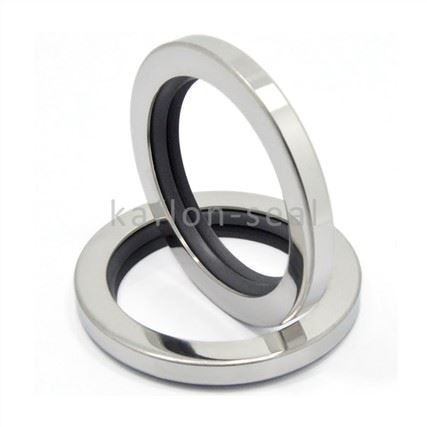


 Blog
BlogTesting the sealing performance of a hydraulic piston seal is a critical process that ensures the efficiency, reliability, and safety of hydraulic systems. As a hydraulic piston seal supplier, we understand the importance of providing high - quality seals and the necessity of accurate testing methods. In this blog, we will delve into the various aspects of testing the sealing performance of hydraulic piston seals.
Understanding the Basics of Hydraulic Piston Seals
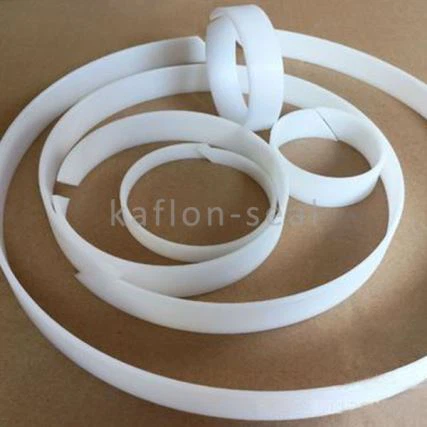
Hydraulic piston seals play a vital role in hydraulic cylinders, preventing the leakage of hydraulic fluid between the piston and the cylinder wall. They are subjected to high pressures, dynamic movements, and various environmental factors. Different types of seals are available in the market, such as the Resistant To Mineral Hydraulic Oil Glyd Ring, Hydraulic Sealing PTFE Guide Ring, and Anti - ozone PU Seal. Each type has its own unique characteristics and applications, and the testing methods may vary accordingly.
Importance of Sealing Performance Testing
The sealing performance of a hydraulic piston seal directly affects the performance of the entire hydraulic system. A poorly sealed piston can lead to fluid leakage, which not only reduces the efficiency of the system but also causes environmental pollution and potential safety hazards. By conducting thorough sealing performance tests, we can ensure that the seals meet the required standards and specifications, thereby guaranteeing the reliable operation of the hydraulic system.
Testing Methods
1. Pressure Testing
Pressure testing is one of the most common methods for testing the sealing performance of hydraulic piston seals. This test involves applying a specified pressure to the seal and observing whether there is any leakage.
- Static Pressure Test: In a static pressure test, the piston seal is installed in a test fixture, and a constant pressure is applied to the hydraulic fluid on one side of the seal. The pressure is maintained for a certain period, usually several hours, and the amount of leakage is measured. If the leakage rate exceeds the allowable limit, the seal is considered to have failed the test.
- Dynamic Pressure Test: A dynamic pressure test simulates the actual working conditions of the piston seal. The piston is moved back and forth within the cylinder while a varying pressure is applied. This test can detect any potential leakage problems that may occur during the movement of the piston. The frequency and amplitude of the piston movement, as well as the pressure variation, are carefully controlled to accurately replicate the real - world operating conditions.
2. Temperature Testing
Temperature can have a significant impact on the sealing performance of hydraulic piston seals. High temperatures can cause the seal material to expand, soften, or degrade, while low temperatures can make the seal material brittle.
- High - Temperature Test: In a high - temperature test, the test fixture with the piston seal is placed in an oven or a temperature - controlled chamber. The temperature is gradually increased to the maximum operating temperature of the seal, and the pressure testing is carried out at this elevated temperature. This test can determine whether the seal can maintain its sealing performance under high - temperature conditions.
- Low - Temperature Test: Similarly, a low - temperature test is conducted by lowering the temperature of the test environment to the minimum operating temperature of the seal. The seal's performance is then evaluated to ensure that it can function properly in cold conditions.
3. Material Compatibility Testing
Hydraulic piston seals come into contact with various hydraulic fluids, and the compatibility between the seal material and the fluid is crucial for the sealing performance.
- Chemical Resistance Test: This test involves immersing the seal sample in the hydraulic fluid for a certain period. After the immersion, the physical and mechanical properties of the seal, such as hardness, volume change, and tensile strength, are measured. Any significant changes in these properties indicate a lack of compatibility between the seal material and the fluid.
- Swelling Test: A swelling test specifically measures the volume change of the seal due to the absorption of the hydraulic fluid. Excessive swelling can cause the seal to lose its elasticity and sealing ability, so it is important to ensure that the swelling rate is within the acceptable range.
4. Wear Testing
The piston seal is subject to wear during its operation due to the friction between the seal and the cylinder wall. Wear testing can evaluate the wear resistance of the seal material.


- Abrasion Test: In an abrasion test, the piston seal is rubbed against a rough surface or a simulated cylinder wall under a certain load. The amount of wear on the seal is measured after a specific number of rubbing cycles. This test can help determine the durability of the seal and predict its service life.
- Friction Coefficient Measurement: Measuring the friction coefficient between the seal and the cylinder wall is also an important part of wear testing. A high friction coefficient can lead to increased wear and energy consumption, so it is desirable to have a low friction coefficient while maintaining good sealing performance.
Test Equipment and Facilities
To conduct accurate and reliable sealing performance tests, advanced test equipment and facilities are required.
- Pressure - generating Equipment: This includes hydraulic pumps, pressure regulators, and pressure gauges. The hydraulic pump is used to generate the required pressure, and the pressure regulator ensures that the pressure is stable during the test. The pressure gauge is used to monitor the pressure value.
- Temperature - Control Equipment: Ovens, temperature - controlled chambers, and heating or cooling systems are used to control the temperature of the test environment. These equipment can accurately maintain the desired temperature throughout the test.
- Leakage - Measuring Equipment: Flow meters, weighing scales, and visual inspection devices are used to measure the amount of leakage. Flow meters can directly measure the flow rate of the leaked fluid, while weighing scales can measure the mass of the leaked fluid. Visual inspection devices, such as microscopes and cameras, can be used to detect any small leaks that may not be easily observable by the naked eye.
Quality Control and Certification
As a hydraulic piston seal supplier, we implement strict quality control measures throughout the production and testing process.
- In - house Testing: Our in - house testing laboratory is equipped with state - of - the - art test equipment, and our experienced technicians conduct a series of tests on each batch of seals. This ensures that only high - quality seals are delivered to our customers.
- Certification: We also obtain relevant certifications, such as ISO 9001 quality management system certification, to demonstrate our commitment to quality and compliance with international standards. These certifications provide our customers with confidence in the quality of our products.
Conclusion
Testing the sealing performance of a hydraulic piston seal is a comprehensive process that involves multiple testing methods and advanced equipment. By conducting thorough tests, we can ensure that our hydraulic piston seals meet the highest quality standards and provide reliable sealing solutions for various hydraulic systems.
If you are in need of high - quality hydraulic piston seals or have any questions about our products and testing processes, we invite you to contact us for procurement and further discussions. We are committed to providing you with the best products and services to meet your specific requirements.
References
- "Hydraulic Seals Handbook" by Sealing Solutions Inc.
- "Testing Standards for Hydraulic Components" published by the International Organization for Standardization (ISO)
- "Material Science and Engineering for Sealing Applications" by Academic Press