


 Popular Blog Posts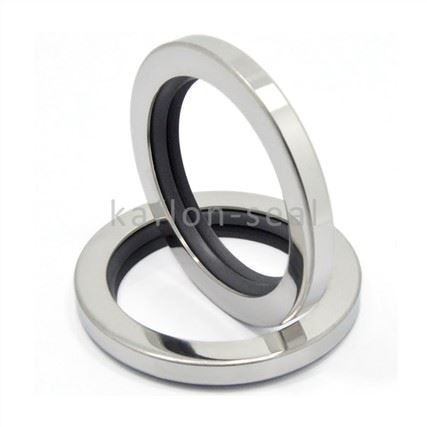


 Blog
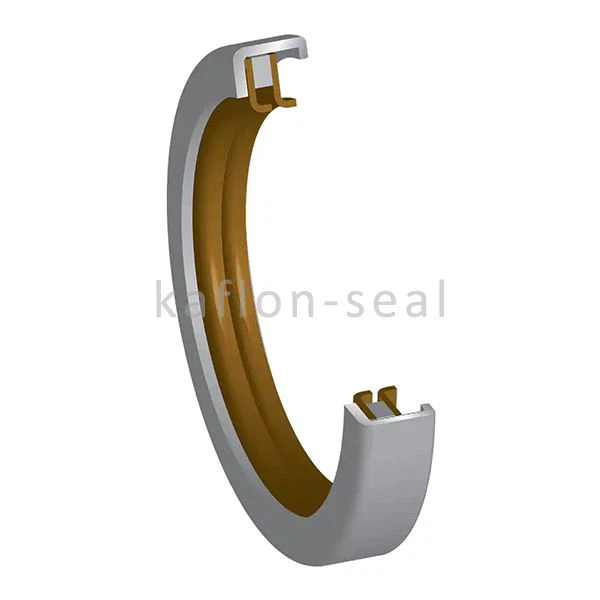
BlogHey there! As a supplier of radial oil seals, I've been in the game for quite a while. Radial oil seals are super important in all sorts of machinery, from cars to industrial equipment. They keep the oil in and the dirt out, which is crucial for the smooth operation of any mechanical system. But how do you actually test the performance of these radial oil seals? That's what I'm gonna talk about today.
Why Testing is Crucial
Before we dive into the testing methods, let's quickly talk about why testing is so important. A faulty radial oil seal can lead to all sorts of problems. Oil leakage can cause a loss of lubrication, which in turn can lead to increased friction, wear and tear, and even mechanical failure. Plus, it can be a safety hazard and an environmental concern. So, by testing the performance of radial oil seals, we can make sure they meet the required standards and perform well in real - world applications.
Visual Inspection
The first step in testing radial oil seals is a simple visual inspection. You'd be surprised how much you can learn just by looking at the seal. Check for any obvious signs of damage, like cuts, tears, or deformities. Also, look at the surface finish. A smooth, even surface is a good sign, while rough or uneven areas could indicate manufacturing defects.
The lip of the seal is especially important. It should be free of nicks and scratches because these can cause oil leakage. If you notice any signs of damage during the visual inspection, the seal might not perform well and should probably be replaced or further inspected.
Dimensional Checks
Next up, we have dimensional checks. Radial oil seals need to fit perfectly in their housing and around the shaft. Any deviation from the specified dimensions can lead to poor performance. You can use tools like calipers and micrometers to measure the outside diameter, inside diameter, and width of the seal.
Make sure the dimensions match the specifications provided by the manufacturer. Even a small difference can cause problems. For example, if the inside diameter is too large, the seal might not grip the shaft tightly enough, leading to oil leakage. On the other hand, if it's too small, it can cause excessive friction and premature wear.
Material Testing
The material of the radial oil seal plays a huge role in its performance. Different materials have different properties, like resistance to heat, chemicals, and wear. One common material used in radial oil seals is PTFE (polytetrafluoroethylene). PTFE seals, such as the Vacuum Operation PTFE Stainless Oil Seal, are known for their low friction coefficients and excellent chemical resistance.
You can test the material properties of the seal in several ways. One method is hardness testing. You can use a durometer to measure the hardness of the seal material. The hardness should be within the specified range for the application. If it's too soft, the seal might deform easily under pressure. If it's too hard, it might not be flexible enough to conform to the shaft and housing.
Another important aspect is chemical resistance. You can expose the seal to the chemicals it will encounter in its application and see how it reacts. For example, if the seal is going to be used in an engine with oil and coolant, you can soak a sample of the seal material in a mixture of oil and coolant for a certain period and then check for any signs of swelling, cracking, or loss of strength.
Pressure Testing
Pressure testing is a crucial part of evaluating the performance of radial oil seals. Seals need to be able to withstand the pressure of the oil in the system without leaking. You can use a pressure testing rig to apply pressure to the seal and see how it holds up.
There are different types of pressure tests. One is the static pressure test, where you apply a constant pressure to the seal and observe if there is any leakage. The pressure should be set according to the operating conditions of the application. For example, in a hydraulic system, the pressure can be quite high, so the seal needs to be able to handle that pressure.
Another type is the dynamic pressure test. In this test, the shaft is rotating while pressure is applied to the seal. This simulates real - world operating conditions more accurately. You can measure the leakage rate during the dynamic pressure test. A low leakage rate indicates good performance.
Friction Testing
Friction is a big factor in the performance of radial oil seals. High friction can lead to increased energy consumption, heat generation, and premature wear of the seal and the shaft. You can test the friction coefficients of the seal using a friction testing machine.
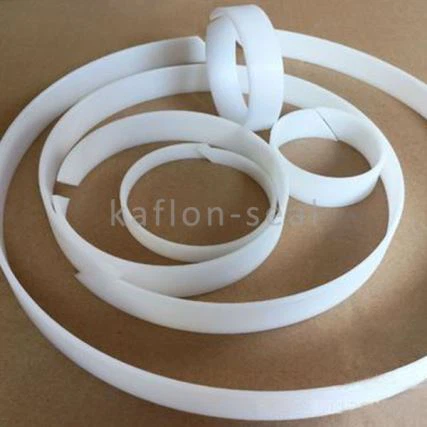
The Friction Coefficients PTFE Oil Seal Seal is designed to have low friction coefficients. During the friction test, the seal is in contact with a rotating shaft, and the machine measures the force required to rotate the shaft. A lower friction force means a lower friction coefficient, which is desirable.
Temperature Testing
Temperature can have a significant impact on the performance of radial oil seals. Different materials have different temperature ranges within which they can perform effectively. You can use a temperature chamber to test the seal at different temperatures.
Expose the seal to high and low temperatures and observe its performance. At high temperatures, the material might become softer and lose its shape, leading to leakage. At low temperatures, it might become brittle and crack. Make sure the seal can maintain its integrity and performance within the temperature range of the application.
Wear Testing
Wear is another important aspect to consider. Over time, the seal will wear due to contact with the shaft and the pressure of the oil. You can conduct wear tests by running the seal on a test rig for an extended period.
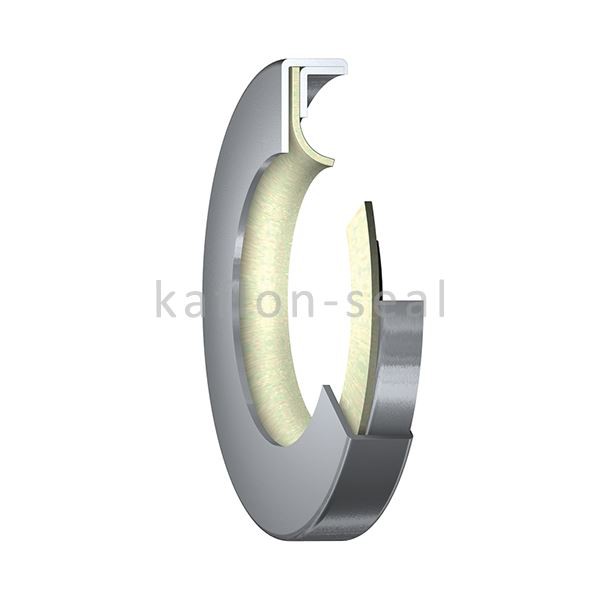
The PTFE Filled POB Shaft Seal is known for its good wear resistance. During the wear test, you can measure the amount of wear on the seal and the shaft. A seal with low wear rates will have a longer service life and better performance in the long run.
Conclusion
Testing the performance of radial oil seals is a multi - step process that involves visual inspection, dimensional checks, material testing, pressure testing, friction testing, temperature testing, and wear testing. By conducting these tests, you can ensure that the seals meet the required standards and perform well in real - world applications.
As a supplier of radial oil seals, I understand the importance of high - quality products. If you're in the market for radial oil seals or have any questions about testing or performance, I'd love to have a chat with you. Whether you're a small - scale manufacturer or a large industrial company, we can work together to find the right seals for your needs. Let's start a conversation and see how we can make your machinery run more smoothly with our top - notch radial oil seals.
References
- "Handbook of Sealing Technology" by Heinz P. Bloch and Fred K. Geitner
- "Mechanical Seals: Principles and Applications" by Robert A. McKee