


 Popular Blog Posts


 Blog
BlogHow to simulate the working conditions of hydraulic wear rings in the laboratory?
As a supplier of hydraulic wear rings, understanding how to simulate their working conditions in the laboratory is crucial. This process allows us to accurately assess the performance and durability of our products, ensuring that they meet the high - standards required in real - world applications.
1. Understanding the Basics of Hydraulic Wear Rings
Hydraulic wear rings play a vital role in hydraulic systems. They are designed to guide pistons and rods, prevent metal - to - metal contact, and maintain the alignment of moving parts. This helps in reducing friction, wear, and noise, while also improving the overall efficiency and lifespan of the hydraulic system.
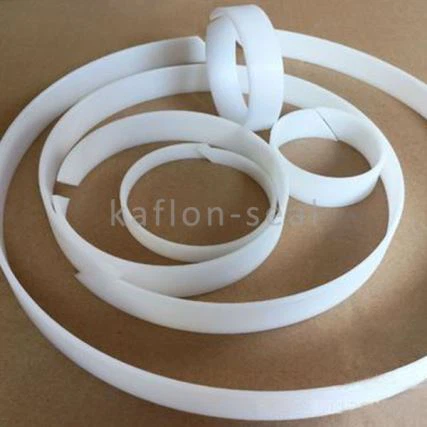
Our company offers a variety of hydraulic wear rings, such as the Reciprocating Motion Glyd Ring, Resistant To Mineral Hydraulic Oil Glyd Ring, and PTFE Filled With Brozen Glyd Ring Seal. Each type is engineered to perform under specific conditions, and simulating these conditions in the lab is essential for quality control and product development.
2. Identifying Key Working Conditions
To simulate the working conditions of hydraulic wear rings in the laboratory, we first need to identify the key factors that affect their performance in real - world scenarios.
2.1 Pressure
Hydraulic systems operate under varying pressures. High pressure can cause deformation and excessive wear of the wear rings. In the laboratory, we use pressure - generating equipment to replicate the pressure ranges that the wear rings will encounter in actual use. For example, if a wear ring is designed for a high - pressure hydraulic cylinder in heavy - duty machinery, we can use a hydraulic pump to generate pressures up to several thousand pounds per square inch (psi) in the test setup.
2.2 Temperature
Temperature has a significant impact on the material properties of hydraulic wear rings. Extreme temperatures can cause the material to expand or contract, affecting the fit and performance of the ring. We use temperature - controlled chambers to simulate different temperature environments. For instance, in applications where the hydraulic system operates in a hot industrial environment, we can set the chamber temperature to values as high as 100°C or more. Conversely, for applications in cold climates, we can lower the temperature to sub - zero levels.
2.3 Fluid Type and Contamination
The type of hydraulic fluid used in the system can influence the performance of the wear rings. Different fluids have different chemical properties, viscosities, and lubricating capabilities. We test our wear rings with various types of hydraulic fluids, including mineral - based, synthetic, and biodegradable fluids. Additionally, real - world hydraulic systems are often exposed to contaminants such as dirt, dust, and metal particles. In the laboratory, we introduce controlled amounts of contaminants into the test fluid to simulate this condition.
2.4 Motion
Hydraulic wear rings are subject to different types of motion, such as reciprocating, rotating, or oscillating motion. To replicate these motions in the laboratory, we use specialized test rigs. For reciprocating motion, a linear actuator can be used to move the piston or rod back and forth at a controlled speed and stroke length. For rotating motion, a motor can be used to rotate the shaft on which the wear ring is installed.


3. Laboratory Test Setup
Once we have identified the key working conditions, we can set up the laboratory test rig.
3.1 Test Chamber
The test chamber is the core of the test setup. It is designed to house the hydraulic wear ring and the associated components, such as the piston, rod, and hydraulic fluid. The chamber should be sealed to prevent fluid leakage and to maintain the desired pressure and temperature conditions.
3.2 Pressure and Temperature Control
As mentioned earlier, pressure and temperature are critical factors. We use pressure sensors and temperature sensors to monitor and control these parameters. The pressure - generating equipment, such as a hydraulic pump, is connected to the test chamber, and the temperature - controlled chamber is used to regulate the temperature. The sensors are connected to a control system that can adjust the pressure and temperature as needed to maintain the desired test conditions.
3.3 Motion Generation
The motion generation system is responsible for replicating the type of motion that the wear ring will experience in real - world applications. For example, if the wear ring is for a reciprocating hydraulic cylinder, a linear actuator with a programmable controller can be used to control the speed, stroke length, and frequency of the reciprocating motion.
3.4 Fluid Management
The hydraulic fluid in the test setup needs to be properly managed. We use a fluid reservoir to store the hydraulic fluid and a circulation system to ensure that the fluid flows through the test chamber at a constant rate. The fluid can be filtered to remove any contaminants that may be introduced during the test, and a sampling port can be provided to analyze the fluid for wear particles and chemical changes.
4. Conducting the Tests
With the test setup in place, we can start conducting the tests.
4.1 Initial Inspection
Before starting the test, we conduct a thorough inspection of the hydraulic wear ring. We measure its dimensions, surface finish, and hardness to establish a baseline. This information will be used to compare with the post - test results to determine the extent of wear and any changes in the material properties.
4.2 Test Execution
The test is run for a specified period of time, which is determined based on the expected service life of the wear ring in real - world applications. During the test, we continuously monitor the pressure, temperature, motion, and fluid conditions. We also collect data on the performance of the wear ring, such as the amount of leakage, friction force, and wear rate.
4.3 Post - Test Analysis
After the test is completed, we remove the wear ring from the test chamber and conduct a post - test inspection. We measure the dimensions again to determine the amount of wear, and we analyze the surface of the wear ring using techniques such as microscopy to identify any signs of damage or deformation. We also analyze the hydraulic fluid for wear particles and chemical changes to understand the interaction between the wear ring and the fluid.
5. Using Test Results for Product Improvement
The data collected from the laboratory tests provides valuable insights into the performance of our hydraulic wear rings. We can use this information to improve the design and manufacturing process of our products.
If the test results show that a particular wear ring experiences excessive wear under certain conditions, we can modify the material composition or the manufacturing process to enhance its wear resistance. For example, we may add a wear - resistant coating to the surface of the wear ring or change the type of filler material in the PTFE - based wear rings.
We can also use the test results to optimize the design of the wear ring. If the test shows that the wear ring has a high leakage rate, we can adjust the dimensions or the cross - sectional shape of the ring to improve its sealing performance.
6. Conclusion and Call to Action
Simulating the working conditions of hydraulic wear rings in the laboratory is a complex but essential process for ensuring the quality and performance of our products. Through accurate simulation and testing, we can develop hydraulic wear rings that meet the demanding requirements of various industries.
If you are in need of high - quality hydraulic wear rings, we invite you to contact us for procurement and further discussion. Our team of experts is ready to assist you in selecting the right products for your specific applications.
References
- "Hydraulic Seals and Sealing Technology" by John A. Dickson
- "Handbook of Hydraulic Fluid Technology" by George E. Totten and Samuel R. Westbrook
- "Tribology in Hydraulic Systems" by F. F. Ling