


 Popular Blog Posts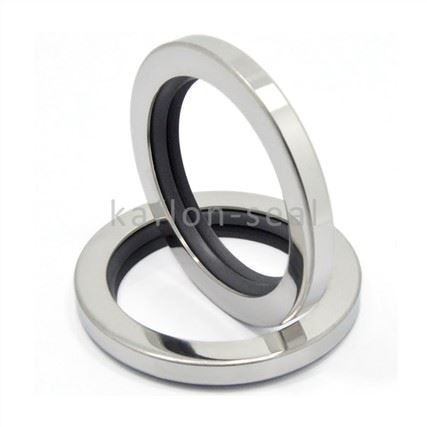


 Blog
BlogOld hydraulic wear rings can cause a variety of problems in hydraulic systems, such as reduced efficiency, increased leakage, and potential damage to other components. As a reliable Hydraulic Wear Rings supplier, I understand the importance of proper maintenance and replacement of these crucial parts. In this blog post, I'll share a comprehensive guide on how to remove old hydraulic wear rings effectively.
Understanding Hydraulic Wear Rings
Before diving into the removal process, it's essential to have a basic understanding of hydraulic wear rings. These rings are designed to guide pistons and rods within hydraulic cylinders, preventing metal - to - metal contact and reducing friction. Over time, due to continuous use, exposure to high pressures, and chemical reactions with hydraulic fluids, wear rings can become worn, damaged, or deformed.
Tools Required for Removal
To remove old hydraulic wear rings, you'll need a set of appropriate tools. Here are some common tools that are often used:
- Circlip Pliers: These are used to remove retaining rings that may be holding the wear ring in place.
- Screwdrivers: Flat - head and Phillips - head screwdrivers can be used to remove any screws or fasteners associated with the wear ring assembly.
- Pry Bars: A small pry bar can help gently lift and separate the wear ring from its groove. Make sure to use a pry bar with a smooth edge to avoid scratching the cylinder wall.
- Soft - faced Hammers: A soft - faced hammer can be used to tap on components gently, helping to loosen the wear ring.
Step - by - Step Removal Process
Step 1: System Shutdown and Depressurization
The first and most crucial step is to shut down the hydraulic system. This involves turning off the power supply to the hydraulic pump and allowing the system to cool down. Next, you need to depressurize the system. Open the appropriate valves to release any trapped pressure in the hydraulic lines and cylinders. Always follow the manufacturer's guidelines for depressurization to avoid any potential safety hazards.

Step 2: Disassembly of the Hydraulic Cylinder
Once the system is depressurized, you can start disassembling the hydraulic cylinder. Remove the end caps or covers of the cylinder using the appropriate tools. This may involve removing bolts, nuts, or retaining rings. Keep track of all the removed parts and arrange them in an organized manner to ensure easy reassembly later.
Step 3: Locating the Wear Ring
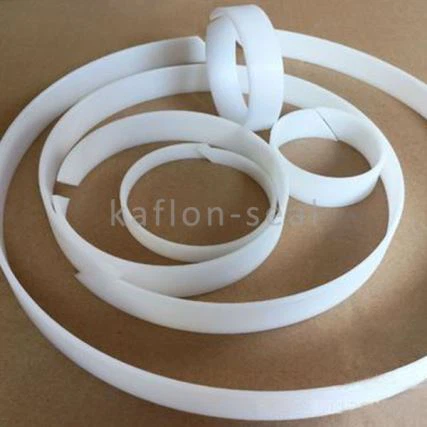
After disassembling the cylinder, locate the wear ring. Wear rings are usually found around the piston or the rod. They are typically made of materials such as PTFE, polyurethane, or other synthetic polymers. In some cases, there may be multiple wear rings in a single cylinder.
Step 4: Removing Retaining Elements
If there are any retaining elements such as circlips or screws holding the wear ring in place, use the appropriate tools to remove them. For example, if it's a circlip, use circlip pliers to carefully remove it without damaging the ring or the cylinder.
Step 5: Loosening the Wear Ring
Once the retaining elements are removed, you can start loosening the wear ring. If the wear ring is stuck in its groove, you can use a pry bar to gently lift one edge of the ring. Be very careful not to apply too much force as this can damage the cylinder wall. In some cases, a soft - faced hammer can be used to tap around the edge of the wear ring to help loosen it.
Step 6: Removing the Wear Ring
After loosening the wear ring, you can carefully pull it out of the groove. If the wear ring is in multiple pieces, make sure to remove all the fragments. Inspect the removed wear ring for signs of wear, damage, or deformation. This will help you determine if a replacement is necessary.
Inspecting the Cylinder and Other Components
After removing the old wear ring, it's important to inspect the cylinder wall and other components for any damage. Look for scratches, grooves, or signs of corrosion on the cylinder wall. If there is significant damage, it may be necessary to repair or replace the cylinder. Also, inspect other components such as the piston and the rod for any signs of wear or damage.
Choosing the Right Replacement Wear Ring
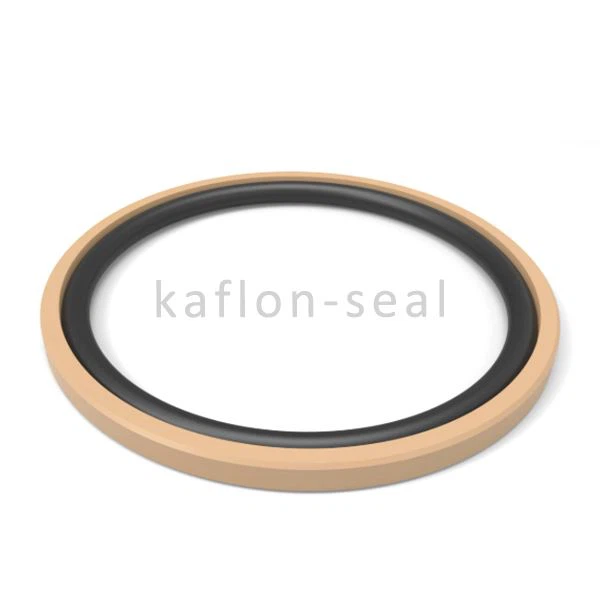
As a Hydraulic Wear Rings supplier, I can offer a wide range of high - quality wear rings to meet your specific needs. For example, our Piston Seal With PU Green is made of high - quality polyurethane material, which offers excellent wear resistance and sealing performance. Our PTFE Glyd Seal For Hydraulic Sealing is another great option, especially for applications that require high - pressure sealing. And our Hydraulic Sealing Glyd Ring Seal is designed to provide reliable sealing in hydraulic systems.
Reassembly of the Hydraulic Cylinder
Once you have chosen the right replacement wear ring, you can start reassembling the hydraulic cylinder. Make sure to clean all the components thoroughly before reassembly. Apply a thin layer of hydraulic fluid to the wear ring and the cylinder wall to ensure smooth installation. Follow the reverse order of the disassembly process to reassemble the cylinder, making sure to tighten all the bolts and fasteners to the recommended torque specifications.
Testing the Hydraulic System
After reassembly, it's important to test the hydraulic system to ensure that everything is working properly. Start the system and check for any leaks or abnormal noises. Monitor the pressure and flow rates to make sure they are within the normal range. If you notice any problems, shut down the system immediately and inspect it further.
Why Choose Our Hydraulic Wear Rings
As a professional Hydraulic Wear Rings supplier, we are committed to providing our customers with the highest quality products. Our wear rings are manufactured using advanced technology and high - quality materials, ensuring excellent performance and durability. We also offer a wide range of sizes and specifications to meet the diverse needs of our customers.
If you are in need of high - quality hydraulic wear rings or have any questions about the removal and replacement process, please feel free to contact us for procurement and further discussions. We are here to provide you with the best solutions for your hydraulic system needs.
References
- "Hydraulic Seals Handbook", Published by a well - known hydraulic component manufacturer.
- Industry standards and guidelines for hydraulic system maintenance and repair.