


 Popular Blog Posts


 Blog
BlogHey there! As a supplier of hydraulic piston seals, I've heard a lot of concerns from customers about the noise generated by these seals. It can be a real headache, not just because it's annoying, but also because it can indicate some underlying issues with the hydraulic system. In this blog, I'm gonna share some tips on how to reduce the noise generated by a hydraulic piston seal.
Understanding the Causes of Noise
Before we jump into the solutions, it's important to understand what causes the noise in the first place. There are several factors that can contribute to the noise generated by a hydraulic piston seal:
- Friction: When the piston seal rubs against the cylinder wall, it creates friction. This friction can cause vibrations, which in turn generate noise. The type of material used for the seal, the surface finish of the cylinder wall, and the operating conditions (such as temperature and pressure) can all affect the amount of friction.
- Fluid Flow: The flow of hydraulic fluid through the system can also create noise. Turbulence in the fluid flow can cause pressure fluctuations, which can lead to vibrations and noise. This can be exacerbated if there are restrictions or blockages in the fluid path.
- Seal Design: The design of the piston seal itself can play a role in noise generation. A poorly designed seal may not fit properly, allowing fluid to leak past it and creating additional noise. Additionally, the shape and geometry of the seal can affect how it interacts with the fluid and the cylinder wall.
Choosing the Right Seal Material
One of the most effective ways to reduce noise is to choose the right seal material. Different materials have different properties, and some are better at reducing friction and noise than others.
- Polyurethane: Polyurethane is a popular choice for hydraulic piston seals because it has excellent wear resistance and low friction. It can also withstand high pressures and temperatures, making it suitable for a wide range of applications. Check out our Polyurethane Piston Seal For Static Application for more details.
- PTFE: PTFE (polytetrafluoroethylene) is another material known for its low friction properties. It is also chemically resistant and has a high melting point. However, it may not be as durable as polyurethane in some applications.
- Rubber: Rubber seals are often used in applications where flexibility and good sealing properties are required. They can absorb vibrations to some extent, which can help reduce noise. However, they may not be suitable for high-pressure or high-temperature applications.
Optimizing the Seal Design
The design of the piston seal can have a significant impact on noise generation. Here are some design considerations to keep in mind:
- Proper Fit: The seal should fit snugly in the cylinder bore to prevent fluid leakage. A loose-fitting seal can allow fluid to bypass it, creating noise and reducing the efficiency of the system.
- Lubrication Grooves: Some seals are designed with lubrication grooves to help distribute the hydraulic fluid evenly. This can reduce friction and noise by ensuring that the seal is properly lubricated at all times.
- Contoured Shape: A contoured seal shape can help reduce turbulence in the fluid flow and minimize pressure fluctuations. This can lead to a quieter operation of the hydraulic system.
Maintaining the Hydraulic System
Regular maintenance of the hydraulic system is crucial for reducing noise and ensuring its proper operation. Here are some maintenance tips:
- Fluid Quality: The quality of the hydraulic fluid can affect the performance of the piston seal. Contaminated or degraded fluid can increase friction and wear on the seal, leading to noise. Make sure to change the fluid at regular intervals and use a high-quality filter to remove any contaminants.
- Cylinder Wall Condition: The surface finish of the cylinder wall can also affect the performance of the piston seal. A rough or damaged cylinder wall can increase friction and noise. Inspect the cylinder wall regularly and repair or replace it if necessary.
- Seal Inspection: Periodically inspect the piston seal for signs of wear, damage, or leakage. Replace the seal if it shows any signs of deterioration to prevent noise and other problems.
Using Guide Rings
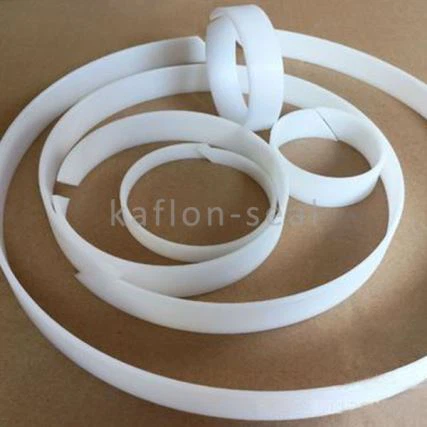
Guide rings can play an important role in reducing noise generated by the piston seal. They help to keep the piston centered in the cylinder bore, reducing the chances of the seal rubbing against the cylinder wall unevenly.
Our Reciprocating Seal Phenolic Guide Ring is a great option. It is made of high-quality phenolic material, which has excellent wear resistance and low friction. It can help to improve the stability of the piston and reduce noise.
Considering Double Acting Seals
Double acting seals, such as our Double Acting Glyd Seal, can also be beneficial in reducing noise. These seals are designed to work in both directions of piston movement, providing better sealing performance and reducing the likelihood of fluid leakage. This can help to minimize pressure fluctuations and noise in the hydraulic system.
Conclusion
Reducing the noise generated by a hydraulic piston seal requires a combination of factors, including choosing the right seal material, optimizing the seal design, maintaining the hydraulic system, and using additional components like guide rings and double acting seals. By following these tips, you can significantly reduce the noise in your hydraulic system and improve its overall performance.
If you're interested in learning more about our hydraulic piston seals or have any questions about noise reduction, feel free to reach out to us for a procurement discussion. We're here to help you find the best solutions for your needs.


References
- "Hydraulic Seals Handbook" - A comprehensive guide on hydraulic seals and their applications.
- Industry research reports on hydraulic system performance and noise reduction.