


 Popular Blog Posts


 Blog
BlogHydraulic wear rings play a crucial role in the proper functioning of hydraulic systems. They are designed to guide pistons and rods within cylinders, reducing friction and preventing metal - to - metal contact. However, over time, these wear rings can cause noise due to wear and tear, improper installation, or other factors. As a hydraulic wear rings supplier, I understand the importance of addressing this issue to ensure the smooth operation of hydraulic equipment. In this blog, I will discuss some effective ways to reduce the noise caused by hydraulic wear rings.
Understanding the Causes of Noise from Hydraulic Wear Rings
Before we can find solutions to reduce the noise, it is essential to understand the root causes. One of the primary reasons for noise is the uneven wear of the wear rings. When the wear rings are not evenly worn, they can create an imbalance in the movement of the piston or rod, leading to vibrations and noise. Another cause is the improper fit of the wear rings. If the wear rings are too loose or too tight, they can cause excessive movement or friction, respectively, resulting in noise.
Contamination is also a significant factor. Dirt, debris, or other contaminants in the hydraulic fluid can enter the wear ring area and cause abrasion, leading to accelerated wear and noise. Additionally, high - pressure spikes in the hydraulic system can cause the wear rings to vibrate, generating noise.
Selecting the Right Hydraulic Wear Rings
The first step in reducing noise is to select the appropriate hydraulic wear rings for your application. Different applications require different types of wear rings based on factors such as pressure, temperature, speed, and the type of hydraulic fluid used.
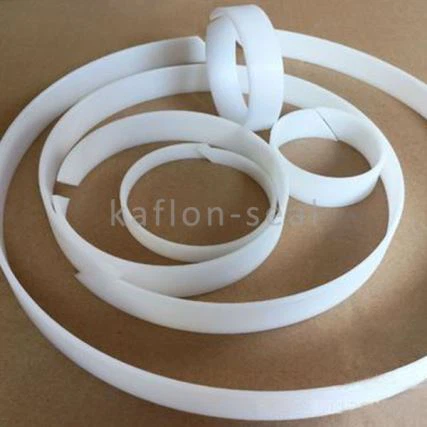
For example, Reciprocating Seal Phenolic Guide Ring is a great option for reciprocating applications. These rings are made of phenolic materials, which offer excellent wear resistance and low friction. They can withstand high pressures and are suitable for a wide range of hydraulic fluids.
Rotary Glyd Ring is designed for rotary applications. It has a unique design that provides reliable sealing and guidance while reducing friction and noise. The ring is made of high - performance materials that can handle high - speed rotations and harsh operating conditions.
Single Acting Step Seal Ring is ideal for single - acting hydraulic cylinders. It offers a tight seal and smooth operation, which helps in reducing noise. The step design of the ring ensures proper alignment and reduces the chances of uneven wear.
When selecting wear rings, it is also important to consider the material quality. High - quality materials are more resistant to wear, corrosion, and deformation, which can significantly reduce noise and extend the lifespan of the wear rings.
Proper Installation of Hydraulic Wear Rings
Proper installation is crucial for reducing noise caused by hydraulic wear rings. Incorrect installation can lead to misalignment, uneven wear, and excessive friction, all of which contribute to noise.
Before installation, make sure the wear ring and the mating surfaces are clean and free of any contaminants. Use a suitable cleaning agent to remove dirt, oil, and debris. Check the dimensions of the wear ring and the cylinder bore or rod to ensure a proper fit.
During installation, use the correct tools to avoid damaging the wear ring. Do not force the wear ring into place; instead, use a smooth and even motion. Make sure the wear ring is properly seated and aligned. Any misalignment can cause the wear ring to wear unevenly, leading to noise.
Maintaining the Hydraulic System
Regular maintenance of the hydraulic system is essential for reducing noise from hydraulic wear rings. This includes changing the hydraulic fluid at regular intervals. Old or contaminated hydraulic fluid can cause abrasion and wear on the wear rings, leading to noise. Follow the manufacturer's recommendations for fluid change intervals and use high - quality hydraulic fluid.
Keep the hydraulic system clean by using filters. Filters can remove dirt, debris, and other contaminants from the hydraulic fluid, preventing them from entering the wear ring area. Check and replace the filters regularly to ensure their effectiveness.
Monitor the pressure in the hydraulic system. High - pressure spikes can cause the wear rings to vibrate and generate noise. Use pressure relief valves to control the pressure and prevent excessive pressure build - up.
Inspect the wear rings regularly for signs of wear, damage, or misalignment. If any issues are detected, replace the wear rings immediately. Ignoring worn or damaged wear rings can lead to more severe problems and increased noise.


Using Noise - Reducing Technologies
There are several noise - reducing technologies available that can be used in conjunction with hydraulic wear rings. One such technology is the use of damping materials. Damping materials can absorb vibrations and reduce noise. They can be applied to the wear rings or the surrounding components to minimize the transmission of vibrations.
Another option is the use of advanced design features in the wear rings. Some wear rings are designed with special geometries or materials that can reduce friction and noise. For example, wear rings with a micro - textured surface can reduce friction and improve the flow of hydraulic fluid, resulting in less noise.
Conclusion
Reducing the noise caused by hydraulic wear rings is essential for the smooth operation of hydraulic systems. By selecting the right wear rings, ensuring proper installation, maintaining the hydraulic system, and using noise - reducing technologies, you can significantly reduce the noise and extend the lifespan of the wear rings.
If you are facing noise issues with your hydraulic wear rings or are looking for high - quality hydraulic wear rings for your application, I encourage you to contact me for a consultation. As a hydraulic wear rings supplier, I have the expertise and experience to help you find the best solutions for your needs. Let's work together to ensure the optimal performance of your hydraulic systems.
References
- Hydraulic Seals Handbook, various industry experts
- Manufacturer's manuals for hydraulic wear rings
- Technical papers on hydraulic system noise reduction