


 Popular Blog Posts


 Blog
BlogHey there! I'm a supplier of hydraulic piston seals, and I've seen firsthand how corrosion can mess up these crucial components. Corrosion not only shortens the lifespan of hydraulic piston seals but also leads to leaks, reduced efficiency, and even system failures. In this blog, I'll share some tips on how to protect a hydraulic piston seal from corrosion.
Understanding Corrosion in Hydraulic Piston Seals
Before we dive into the protection methods, let's quickly understand what causes corrosion in hydraulic piston seals. Corrosion is essentially a chemical reaction that occurs when the seal material comes into contact with corrosive substances, such as water, chemicals, or contaminants in the hydraulic fluid.
The most common types of corrosion in hydraulic systems are galvanic corrosion, pitting corrosion, and stress corrosion cracking. Galvanic corrosion happens when two different metals are in contact in the presence of an electrolyte, like hydraulic fluid. Pitting corrosion is characterized by small holes or pits forming on the seal surface, while stress corrosion cracking occurs when the seal is under stress and exposed to a corrosive environment.
Choosing the Right Seal Material
One of the first steps in protecting a hydraulic piston seal from corrosion is to choose the right material. Different seal materials have different levels of resistance to corrosion. For example, some elastomers, like nitrile rubber (NBR), are relatively inexpensive and offer good resistance to oil and fuel, but they may not be suitable for applications where they'll be exposed to water or certain chemicals.
On the other hand, materials like fluorocarbon rubber (FKM) and polytetrafluoroethylene (PTFE) are known for their excellent chemical resistance and can withstand a wide range of corrosive substances. If you're dealing with a harsh environment, you might want to consider using seals made from these materials.
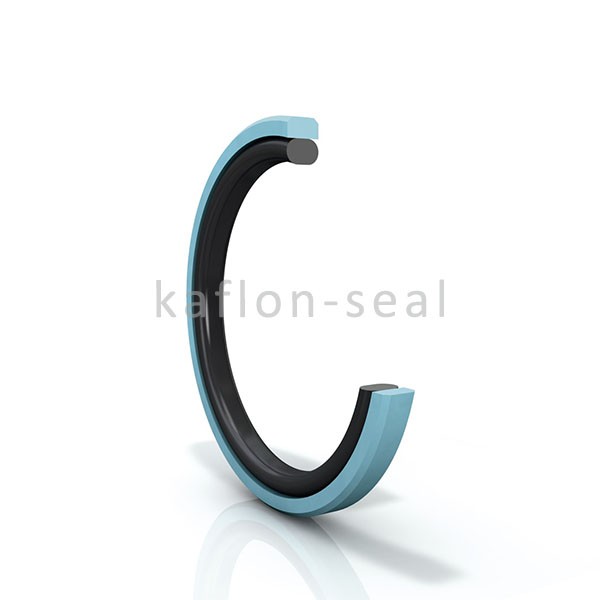
We offer a variety of high - quality seals, such as the Long Life Hydraulic Glyd Ring Seal, which is designed to provide long - lasting performance even in challenging conditions. This seal is made from a combination of materials that offer great resistance to corrosion and wear.
Maintaining Clean Hydraulic Fluid
The quality of the hydraulic fluid plays a huge role in preventing seal corrosion. Contaminated hydraulic fluid can contain water, dirt, and chemicals that can corrode the seals. Regularly checking and changing the hydraulic fluid is essential.
You should also use a high - quality hydraulic fluid that has anti - corrosion additives. These additives form a protective layer on the seal surface, preventing corrosive substances from coming into direct contact with the seal. Additionally, using filters in the hydraulic system can help remove contaminants from the fluid before they reach the seals.
Controlling the Operating Environment
The operating environment of the hydraulic system can have a significant impact on seal corrosion. If the system is exposed to high humidity, saltwater, or chemicals, the seals are more likely to corrode.

For outdoor applications, consider using protective enclosures or covers to shield the hydraulic system from the elements. If the system is in a chemical - rich environment, make sure to use seals that are specifically designed to resist those chemicals.
Proper Installation and Maintenance
Proper installation of the hydraulic piston seal is crucial. Incorrect installation can cause damage to the seal, creating weak points where corrosion can start. Make sure to follow the manufacturer's installation instructions carefully.
Regular maintenance is also key. Inspect the seals regularly for signs of wear, damage, or corrosion. If you notice any issues, replace the seals immediately. A small problem with a seal can quickly turn into a major system failure if left untreated.
We also offer the Piston Sealing Glyd Ring, which is easy to install and maintain. This seal is designed to provide a reliable seal even under high pressures, and its unique design helps prevent corrosion.
Using Surface Treatments
Applying surface treatments to the seals can enhance their corrosion resistance. Some common surface treatments include coatings and platings. These treatments can create a barrier between the seal material and the corrosive environment.
For example, a chrome plating on a metal seal component can provide excellent corrosion resistance. However, it's important to choose the right surface treatment for the specific application, as some treatments may not be compatible with certain seal materials or operating conditions.
Monitoring the System
Implementing a monitoring system can help you detect early signs of seal corrosion. You can use sensors to measure parameters such as pressure, temperature, and fluid quality. Any sudden changes in these parameters could indicate a problem with the seals.
By monitoring the system regularly, you can take proactive measures to prevent seal corrosion before it becomes a major issue.
Rod Seal Considerations
Don't forget about the rod seals. Rod seals are also prone to corrosion, especially in dynamic sealing applications. Our Rod Seal For Dynamic Sealing is designed to provide reliable sealing in dynamic environments while resisting corrosion.
Rod seals are exposed to different forces and conditions compared to piston seals. They need to be able to withstand friction, pressure, and movement while still maintaining a tight seal. Make sure to choose a rod seal that is suitable for the specific application and environment.
Conclusion
Protecting a hydraulic piston seal from corrosion is essential for the proper functioning and longevity of the hydraulic system. By choosing the right seal material, maintaining clean hydraulic fluid, controlling the operating environment, and following proper installation and maintenance procedures, you can significantly reduce the risk of seal corrosion.
If you're looking for high - quality hydraulic piston seals and need some advice on corrosion protection, don't hesitate to reach out. We're here to help you find the best solutions for your hydraulic system. Whether you need a Long Life Hydraulic Glyd Ring Seal, a Piston Sealing Glyd Ring, or a Rod Seal For Dynamic Sealing, we've got you covered. Contact us today to start a conversation about your hydraulic seal needs.
References
- "Hydraulic Seals Handbook" by Seal Association
- "Corrosion Prevention and Control in Hydraulic Systems" - Industry white paper