


 Popular Blog Posts


 Blog
BlogOptimizing the performance of hydraulic wipers is crucial for ensuring the efficiency and longevity of hydraulic systems. As a dedicated hydraulic wipers supplier, I've witnessed firsthand the impact that well - optimized wipers can have on overall system operation. In this blog, I'll share some key strategies and considerations to help you get the most out of your hydraulic wipers.
Understanding the Function of Hydraulic Wipers
Before delving into optimization techniques, it's essential to understand what hydraulic wipers do. Hydraulic wipers are designed to remove contaminants such as dirt, dust, water, and other foreign particles from the rod surface as it retracts into the cylinder. By preventing these contaminants from entering the hydraulic system, wipers protect the seals, cylinders, and other components from wear and damage, thereby extending the service life of the entire system.
Selecting the Right Material
One of the fundamental steps in optimizing hydraulic wiper performance is choosing the appropriate material. Different materials offer varying levels of resistance to abrasion, temperature, chemicals, and other environmental factors.
- Phenolic Cloth Hydraulic Wiper: Phenolic Cloth Hydraulic Wiper is a popular choice due to its excellent abrasion resistance and ability to withstand high - pressure applications. It can effectively wipe off contaminants even in harsh working conditions. The phenolic cloth construction provides a rigid yet flexible structure that conforms well to the rod surface, ensuring a tight seal.
- POM Guide Rings: POM Guide Rings are known for their low friction coefficient and high wear resistance. They help to guide the rod smoothly within the cylinder, reducing the load on the wipers and improving overall system efficiency. POM guide rings are also resistant to many chemicals, making them suitable for a wide range of hydraulic applications.
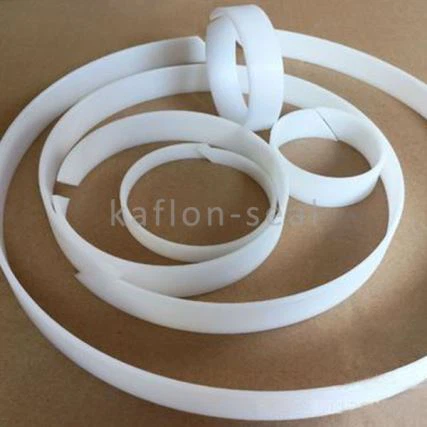
- PTFE Guide Rings: PTFE Guide Rings offer extremely low friction, which is beneficial for minimizing energy consumption in hydraulic systems. They have excellent chemical resistance and can operate over a wide temperature range. PTFE guide rings can be used in combination with wipers to enhance the performance of the entire sealing system.
Proper Installation
Even the highest - quality hydraulic wipers can underperform if not installed correctly. Here are some installation tips to ensure optimal performance:
- Clean the Components: Before installing the wipers, thoroughly clean the rod, cylinder bore, and all other related components. Any dirt or debris left on the surfaces can cause premature wear of the wipers and compromise their sealing ability.
- Use the Right Tools: Use proper installation tools to avoid damaging the wipers during installation. Tools such as a wiper installation sleeve or a special installation tool designed for the specific wiper type can help ensure a smooth and proper fit.
- Follow the Manufacturer's Instructions: Each type of hydraulic wiper has its own installation requirements. Make sure to follow the manufacturer's instructions carefully, including the recommended installation direction, pre - load, and torque values.
Maintenance and Inspection
Regular maintenance and inspection are essential for keeping hydraulic wipers in top - notch condition.
- Visual Inspection: Periodically inspect the wipers for signs of wear, damage, or deformation. Look for cuts, tears, or excessive wear on the wiping edge. If any issues are detected, replace the wipers immediately to prevent further damage to the system.
- Lubrication: Proper lubrication is crucial for reducing friction between the wiper and the rod. Use a lubricant that is compatible with the wiper material and the hydraulic fluid in the system. Over - lubrication or using the wrong lubricant can also cause problems, so follow the manufacturer's recommendations.
- Monitor Operating Conditions: Keep an eye on the operating conditions of the hydraulic system, such as temperature, pressure, and speed. Extreme operating conditions can accelerate the wear of the wipers. If necessary, make adjustments to the system or upgrade the wipers to better - suited models.
Contamination Control
As mentioned earlier, the primary function of hydraulic wipers is to prevent contaminants from entering the system. However, additional contamination control measures can further enhance the performance of the wipers.


- Filtering Systems: Install high - quality filtering systems in the hydraulic circuit to remove contaminants from the hydraulic fluid. This reduces the amount of dirt and debris that the wipers have to deal with, extending their service life.
- Environmental Protection: If the hydraulic system is operating in a particularly dirty or harsh environment, consider using additional protective measures such as bellows or shields. These can help keep large particles away from the wipers and the rod surface.
Compatibility with Hydraulic Fluids
The hydraulic fluid used in the system can have a significant impact on the performance of the wipers. Different wiper materials have different levels of compatibility with various hydraulic fluids. For example, some materials may swell or degrade when exposed to certain types of fluids.
- Check Compatibility: Before selecting a wiper material, ensure that it is compatible with the hydraulic fluid used in the system. Consult the wiper manufacturer or refer to the material compatibility charts to make the right choice.
- Fluid Quality: Maintain the quality of the hydraulic fluid by regularly changing the fluid and filters. Contaminated or degraded fluid can cause accelerated wear of the wipers and other system components.
Design Optimization
In some cases, optimizing the design of the hydraulic system itself can improve the performance of the wipers.
- Rod Surface Finish: A smooth rod surface finish can reduce friction and wear on the wipers. Ensure that the rod has the appropriate surface roughness as recommended by the wiper manufacturer.
- Wiper Geometry: The geometry of the wiper, such as the lip shape and angle, can affect its wiping efficiency. Some advanced wiper designs are specifically engineered to provide better wiping performance and longer service life. Consider using wipers with optimized geometries for your specific application.
Training and Education
Finally, providing training and education to the operators and maintenance personnel is crucial for optimizing the performance of hydraulic wipers. Make sure they understand the importance of proper installation, maintenance, and inspection procedures. Training can also help them identify potential problems early and take appropriate action to prevent system failures.
In conclusion, optimizing the performance of hydraulic wipers involves a combination of selecting the right materials, proper installation, regular maintenance, contamination control, and design optimization. By following these strategies, you can ensure that your hydraulic wipers perform at their best, leading to improved system efficiency, reduced downtime, and lower maintenance costs.
If you're interested in purchasing high - quality hydraulic wipers or have any questions about optimizing their performance, feel free to reach out for a detailed discussion. We're here to provide you with the best solutions for your hydraulic system needs.
References
- "Hydraulic Seals and Their Applications" - A technical manual on hydraulic seals, including wipers, published by a leading industry organization.
- "Materials for Hydraulic Components" - A research paper that discusses the properties and applications of different materials used in hydraulic systems, including wiper materials.