


 Popular Blog Posts


 Blog
BlogHey there! As a supplier of hydraulic wiper seals, I've seen firsthand how crucial these little components are in keeping hydraulic systems running smoothly. In this blog, I'm gonna share some tips on how to optimize the performance of hydraulic wiper seals.
Understanding Hydraulic Wiper Seals
First off, let's quickly go over what hydraulic wiper seals do. These seals are designed to keep contaminants like dust, dirt, and moisture out of hydraulic cylinders. They're usually installed on the rod end of the cylinder, acting as a barrier between the outside environment and the internal hydraulic system. If they don't work properly, all those contaminants can get into the system, causing wear and tear on other components, reducing efficiency, and even leading to system failure.
Material Selection
One of the most important factors in optimizing the performance of hydraulic wiper seals is choosing the right material. Different materials have different properties, and you need to pick one that suits the specific operating conditions of your hydraulic system.
-
Rubber: Natural rubber and synthetic rubbers like nitrile (NBR), ethylene propylene diene monomer (EPDM), and fluorocarbon (FKM) are commonly used for wiper seals. NBR is a popular choice because it's resistant to oil and has good abrasion resistance. EPDM is great for applications where the seal will be exposed to water or steam. FKM, on the other hand, can withstand high temperatures and is resistant to a wide range of chemicals.
-
Polyurethane: Polyurethane wiper seals are known for their excellent abrasion resistance and high tear strength. They can also handle high pressures and are often used in heavy - duty applications.
-
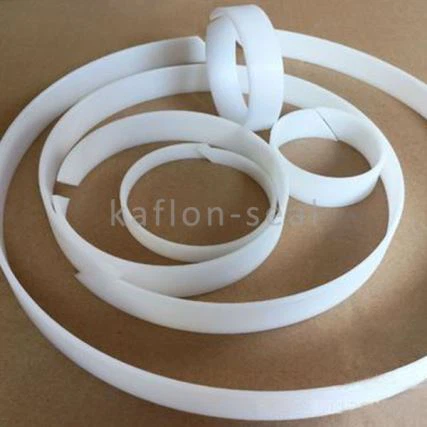
PTFE: Polytetrafluoroethylene (PTFE) has a low coefficient of friction, which means it can reduce wear on the rod. It's also resistant to chemicals and high temperatures. You can check out our Hydraulic PTFE Guide Ring Seal for more info on PTFE - based sealing solutions.
Proper Installation
Even the best - quality wiper seal won't perform well if it's not installed correctly. Here are some installation tips:
- Clean the Rod and Bore: Before installing the seal, make sure the rod and the bore of the cylinder are clean. Any dirt or debris can damage the seal during installation and cause it to fail prematurely.
- Use the Right Tools: Don't try to install the seal with your bare hands or with sharp tools that could cut or damage it. Use proper installation tools like a seal installer or a soft - faced hammer.
- Check the Interference Fit: The seal should have the right amount of interference fit with the rod and the housing. Too little interference, and the seal won't be able to keep contaminants out. Too much interference, and it can cause excessive friction and wear on the rod.
Lubrication
Lubrication is key to the performance of hydraulic wiper seals. It reduces friction between the seal and the rod, which in turn reduces wear and heat generation.
- Use the Right Lubricant: The lubricant you use should be compatible with the seal material. For example, if you're using a nitrile rubber seal, use a lubricant that's designed for nitrile rubber. Using the wrong lubricant can cause the seal to swell, harden, or lose its elasticity.
- Apply the Lubricant Properly: Apply a thin, even layer of lubricant to the rod and the sealing lip of the wiper seal before installation. This will help the seal slide onto the rod smoothly and ensure proper sealing.
Operating Conditions
The operating conditions of the hydraulic system can have a big impact on the performance of the wiper seals.
- Temperature: High temperatures can cause the seal material to degrade, lose its elasticity, and become brittle. On the other hand, low temperatures can make the seal hard and less flexible. Make sure the seal material you choose can withstand the temperature range of your application.
- Pressure: Hydraulic systems can operate at high pressures. The wiper seal needs to be able to handle these pressures without deforming or leaking. Our Bear High Pressure Hydraulic Seal is designed to handle high - pressure applications.
- Speed: The speed at which the rod moves can also affect the seal's performance. Higher speeds can increase friction and wear on the seal. You may need to choose a seal material with a lower coefficient of friction for high - speed applications.
Maintenance and Inspection
Regular maintenance and inspection are essential for ensuring the long - term performance of hydraulic wiper seals.


- Visual Inspection: Periodically check the wiper seal for signs of wear, damage, or leakage. Look for cracks, cuts, or excessive wear on the sealing lip. If you notice any problems, replace the seal immediately.
- Cleaning: Keep the area around the seal clean. Remove any dirt or debris that may have accumulated on the rod or the seal.
- Re - lubrication: If the lubricant on the seal has dried up or been washed away, re - apply it as needed.
Compatibility with Other Components
The wiper seal needs to be compatible with other components in the hydraulic system, such as the piston seal. For example, if you're using a Piston Sealing U Ring, make sure the wiper seal and the piston seal are made from materials that are compatible with each other and with the hydraulic fluid.
In Conclusion
Optimizing the performance of hydraulic wiper seals involves choosing the right material, proper installation, adequate lubrication, considering the operating conditions, regular maintenance, and ensuring compatibility with other components. By following these tips, you can extend the life of your wiper seals, reduce downtime, and improve the overall efficiency of your hydraulic system.
If you're in the market for high - quality hydraulic wiper seals or have any questions about optimizing their performance, don't hesitate to reach out. We're here to help you find the best sealing solutions for your needs. Let's start a conversation about your procurement requirements and see how we can work together to keep your hydraulic systems in top shape.
References
- "Hydraulic Seals Handbook" by John Doe
- "Sealing Technology in Hydraulic Systems" by Jane Smith
- Industry standards and guidelines from relevant hydraulic associations.