


 Popular Blog Posts



 Blog
BlogAs a seasoned supplier of PTFE Guide Rings, I've witnessed firsthand the critical role these components play in the efficient operation of hydraulic systems. Installing PTFE Guide Rings correctly is not just a matter of following steps; it's about ensuring the longevity and optimal performance of your equipment. In this blog, I'll share comprehensive insights on how to install PTFE Guide Rings correctly, drawing from my years of experience in the industry.
Understanding PTFE Guide Rings
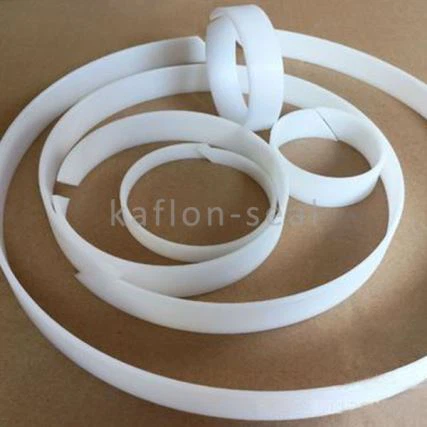
Before delving into the installation process, it's essential to understand what PTFE Guide Rings are and why they are so important. PTFE Guide Rings are made from Polytetrafluoroethylene (PTFE), a high-performance polymer known for its excellent chemical resistance, low friction coefficient, and high temperature resistance. These rings are used in hydraulic cylinders to guide the piston or rod, preventing metal-to-metal contact and reducing wear and tear on the system.
Pre-Installation Preparation
Proper preparation is the key to a successful installation. Here are the steps you should take before installing PTFE Guide Rings:
1. Inspect the Components
- Check the Guide Rings: Examine the PTFE Guide Rings for any signs of damage, such as cracks, scratches, or deformities. If you find any defects, do not use the rings, as they may not function correctly and could cause problems in the hydraulic system.
- Inspect the Cylinder and Rod: Carefully inspect the hydraulic cylinder bore and the piston rod for any scratches, nicks, or burrs. These imperfections can damage the guide rings during installation and operation, leading to premature failure. If you find any damage, repair or replace the affected components before proceeding.
2. Clean the Components
- Clean the Guide Rings: Wash the PTFE Guide Rings with a mild, non-abrasive cleaner and warm water. Rinse them thoroughly and dry them with a clean, lint-free cloth. Avoid using solvents or harsh chemicals, as they can damage the PTFE material.
- Clean the Cylinder and Rod: Clean the hydraulic cylinder bore and the piston rod using a suitable cleaning agent. Remove any dirt, debris, or old sealant from the surfaces. Make sure the components are completely dry before installation.
3. Lubricate the Components
- Apply Lubricant: Apply a thin layer of compatible lubricant to the PTFE Guide Rings, the cylinder bore, and the piston rod. The lubricant helps to reduce friction during installation and operation, making it easier to insert the rings and preventing damage to the components. Choose a lubricant that is compatible with the PTFE material and the hydraulic fluid used in the system.
Installation Process
Once you have completed the pre-installation preparation, you can proceed with the installation of the PTFE Guide Rings. Here are the steps to follow:
1. Determine the Correct Orientation
- Identify the Ring Orientation: PTFE Guide Rings may have a specific orientation, such as a beveled edge or a marked side. Make sure you identify the correct orientation before installation. Refer to the manufacturer's instructions or specifications for guidance.
2. Install the Guide Rings on the Piston or Rod
- Use a Proper Tool: Depending on the size and type of the PTFE Guide Rings, you may need to use a suitable installation tool, such as a ring expander or a sleeve. These tools help to stretch the rings slightly, making it easier to install them on the piston or rod.
- Insert the Rings: Carefully insert the PTFE Guide Rings onto the piston or rod, following the correct orientation. Make sure the rings are seated evenly and fully around the circumference of the piston or rod. Avoid twisting or wrinkling the rings during installation.
3. Install the Piston or Rod into the Cylinder
- Align the Components: Align the piston or rod with the cylinder bore and gently insert it into the cylinder. Make sure the PTFE Guide Rings are properly aligned with the cylinder wall and that there is no interference or binding.
- Push the Piston or Rod Slowly: Push the piston or rod slowly and steadily into the cylinder, applying even pressure. Avoid using excessive force, as this can damage the guide rings or the cylinder.
4. Check the Installation
- Inspect the Rings: Once the piston or rod is fully inserted into the cylinder, inspect the PTFE Guide Rings to make sure they are still in place and properly seated. Check for any signs of misalignment, damage, or gaps between the rings and the cylinder wall.
- Test the System: Before putting the hydraulic system into operation, perform a test run to check the functionality of the PTFE Guide Rings. Monitor the system for any leaks, abnormal noises, or vibrations. If you notice any problems, stop the system immediately and inspect the installation for any issues.
Post-Installation Considerations
After installing the PTFE Guide Rings, there are a few post-installation considerations to keep in mind:
1. Monitor the System
- Regular Inspections: Conduct regular inspections of the hydraulic system to check the condition of the PTFE Guide Rings. Look for any signs of wear, damage, or leakage. If you notice any problems, replace the guide rings as soon as possible.
- Check the Hydraulic Fluid: Monitor the hydraulic fluid level and quality regularly. Make sure the fluid is clean and free of contaminants. Contaminated hydraulic fluid can cause damage to the PTFE Guide Rings and other components in the system.
2. Replace the Guide Rings as Needed
- Follow the Maintenance Schedule: Follow the manufacturer's recommended maintenance schedule for replacing the PTFE Guide Rings. Over time, the guide rings will wear out and need to be replaced to ensure the continued performance and reliability of the hydraulic system.
- Use Genuine Parts: When replacing the PTFE Guide Rings, always use genuine parts from a reputable supplier. Genuine parts are designed to meet the specific requirements of your hydraulic system and offer the best performance and durability.
Other Related Components
In addition to PTFE Guide Rings, there are other important components in a hydraulic system, such as Hydraulic Polyurethane Wear Ring and Phenolic Cloth Hydraulic Wiper. These components work together to ensure the proper functioning of the hydraulic system.


Hydraulic Polyurethane Wear Rings are used to reduce friction and wear between the piston and the cylinder wall. They are made from high-quality polyurethane material, which offers excellent abrasion resistance and durability. Phenolic Cloth Hydraulic Wipers are used to prevent dirt, dust, and other contaminants from entering the hydraulic system. They are made from phenolic cloth, which is a strong and durable material that can withstand high pressures and temperatures.
Conclusion
Installing PTFE Guide Rings correctly is crucial for the efficient operation and longevity of hydraulic systems. By following the steps outlined in this blog, you can ensure that your PTFE Guide Rings are installed correctly and that your hydraulic system performs at its best. Remember to always follow the manufacturer's instructions and specifications, and if you have any questions or need further assistance, don't hesitate to contact us. We are a reliable supplier of PTFE Guide Rings and other hydraulic components, and we are committed to providing our customers with the highest quality products and services. If you are interested in purchasing PTFE Guide Rings or have any other procurement needs, please feel free to contact us for a consultation and negotiation.
References
- Manufacturer's instructions and specifications for PTFE Guide Rings.
- Industry standards and best practices for hydraulic system installation and maintenance.