


 Popular Blog Posts


 Blog
BlogHey there! As a supplier of Hydraulic Wipers, I've seen firsthand how important it is for these components to have good vibration resistance. Vibration in hydraulic systems can cause a whole bunch of problems, like premature wear, leaks, and even system failure. So, in this blog, I'm gonna share some tips on how to improve the vibration resistance of hydraulic wipers.
Understanding the Causes of Vibration in Hydraulic Systems
Before we dive into the solutions, let's first understand what causes vibration in hydraulic systems. There are several factors that can contribute to vibration, including:
- Pump and Motor Imbalance: If the pump or motor in the hydraulic system is not balanced properly, it can create vibrations that travel through the system.
- Fluid Flow Instabilities: Turbulent fluid flow can also cause vibrations. This can happen when the fluid is flowing too fast, or when there are restrictions in the flow path.
- Mechanical Resonance: When the natural frequency of a component in the hydraulic system matches the frequency of the vibration source, it can lead to resonance, which can amplify the vibrations.
- External Vibrations: Sometimes, vibrations can come from external sources, such as nearby machinery or vehicles.
Choosing the Right Materials
One of the most important factors in improving the vibration resistance of hydraulic wipers is choosing the right materials. Here are some materials that are known for their good vibration resistance:
- Polyurethane: Polyurethane is a popular material for hydraulic wipers because it has excellent abrasion resistance, flexibility, and vibration damping properties. It can absorb and dissipate vibrations, reducing the stress on the wiper and other components in the system. You can check out our Hydraulic Polyurethane Wear Ring for more details.
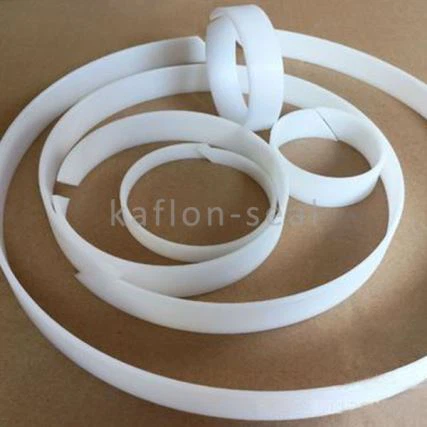
- PTFE (Polytetrafluoroethylene): PTFE is another material that is commonly used in hydraulic wipers. It has a low coefficient of friction, which helps to reduce wear and tear. It also has good chemical resistance and can withstand high temperatures. Our PTFE Guide Rings are made from high-quality PTFE and are designed to provide excellent vibration resistance.
- Composite Materials: Composite materials, which are made by combining two or more different materials, can offer a unique combination of properties. For example, a composite material might have the high strength of one material and the vibration damping properties of another. We also offer Wear-resistant Guide Ring made from composite materials that are designed to improve the vibration resistance of hydraulic systems.
Design Considerations
In addition to choosing the right materials, the design of the hydraulic wiper can also have a big impact on its vibration resistance. Here are some design considerations to keep in mind:
- Proper Sealing Geometry: The sealing geometry of the wiper should be designed to ensure a tight seal and minimize the leakage of fluid. A good seal can help to reduce the vibrations caused by fluid flow instabilities.
- Flexibility and Compliance: The wiper should be flexible enough to conform to the surface of the cylinder or rod, but also stiff enough to maintain its shape under pressure. This can help to reduce the stress on the wiper and prevent it from vibrating.
- Damping Features: Some hydraulic wipers are designed with damping features, such as internal springs or rubber inserts, to help absorb and dissipate vibrations. These features can be especially effective in reducing the vibrations caused by mechanical resonance.
Installation and Maintenance
Proper installation and maintenance are also crucial for improving the vibration resistance of hydraulic wipers. Here are some tips to keep in mind:
- Follow the Manufacturer's Instructions: Make sure to follow the manufacturer's instructions when installing the hydraulic wipers. This includes using the correct tools and techniques, and ensuring that the wipers are installed in the correct orientation.
- Check for Proper Alignment: Before installing the wipers, check to make sure that the cylinder or rod is properly aligned. Misalignment can cause uneven wear on the wipers and increase the risk of vibrations.
- Regular Inspection and Replacement: Regularly inspect the hydraulic wipers for signs of wear, damage, or leakage. Replace the wipers as soon as they show any signs of wear or damage to prevent further problems.
- Keep the System Clean: A clean hydraulic system can help to reduce the risk of vibrations. Make sure to keep the system free of dirt, debris, and contaminants, and change the hydraulic fluid regularly.
Testing and Monitoring
Finally, it's important to test and monitor the vibration resistance of the hydraulic wipers to ensure that they are performing as expected. Here are some methods that can be used for testing and monitoring:
- Vibration Analysis: Vibration analysis can be used to measure the amplitude and frequency of the vibrations in the hydraulic system. This can help to identify the source of the vibrations and determine if the wipers are providing adequate vibration resistance.
- Performance Testing: Performance testing can be used to evaluate the performance of the hydraulic wipers under different operating conditions. This can include testing the wipers for leakage, wear, and vibration resistance.
- Monitoring Systems: Some hydraulic systems are equipped with monitoring systems that can continuously monitor the vibration levels and other parameters. These systems can provide early warning signs of potential problems, allowing for timely maintenance and replacement of the wipers.
Conclusion
Improving the vibration resistance of hydraulic wipers is essential for ensuring the reliable operation of hydraulic systems. By choosing the right materials, considering the design, following proper installation and maintenance procedures, and testing and monitoring the performance, you can significantly reduce the risk of vibrations and extend the lifespan of the wipers and other components in the system.


If you're interested in learning more about our Hydraulic Wipers or have any questions about improving the vibration resistance of your hydraulic systems, please don't hesitate to contact us for a procurement discussion. We're here to help you find the best solutions for your needs.
References
- "Hydraulic Seals Handbook" by John W. Hoke
- "Fluid Power Technology" by Arthur R. Spitzer
- "Vibration Analysis for Machinery Maintenance" by Robert B. Randall