


 Popular Blog Posts


 Blog
BlogIn the industrial field, polyurethanes seals play a crucial role in preventing fluid leakage, protecting equipment, and ensuring the normal operation of various systems. As a polyurethanes seal supplier, I understand the importance of sealing reliability. In this blog, I will share some effective ways to improve the sealing reliability of polyurethanes seals based on my experience and industry knowledge.
Understanding the Basics of Polyurethanes Seals
Polyurethanes seals are made from polyurethane materials, which have excellent mechanical properties, such as high abrasion resistance, good elasticity, and high tear strength. These properties make polyurethanes seals suitable for a wide range of applications, including automotive, hydraulic, and pneumatic systems. However, to achieve high - sealing reliability, we need to consider several factors.
Material Selection
The choice of polyurethane material is the first step in improving sealing reliability. Different applications require different material properties. For example, in corrosive environments, an Anti - corrosion TPU Seal is a better choice. TPU (Thermoplastic Polyurethane) has good chemical resistance, which can resist the corrosion of various chemicals and extend the service life of the seal.
In applications where contact with gasoline is involved, a Gasoline Resistance MPU Seal should be selected. MPU (Microcellular Polyurethane) has excellent gasoline resistance, which can maintain its sealing performance in gasoline - containing environments.
Another option is Polyurethane Filled With Solid Lubricants. This type of polyurethane has reduced friction coefficient due to the addition of solid lubricants. Lower friction can reduce wear during the movement of the seal, thereby improving the sealing reliability.
Design Considerations
The design of the polyurethanes seal also has a significant impact on its sealing reliability. The cross - sectional shape of the seal is a key factor. Common cross - sectional shapes include O - rings, D - rings, and rectangular rings. Each shape has its own advantages and is suitable for different applications.
For example, O - rings are widely used because of their simple structure and good sealing performance. They can provide uniform sealing force around the circumference. D - rings are often used in applications where space is limited, as they can fit into narrow grooves. Rectangular rings are suitable for applications that require a large contact area.
In addition, the size of the seal must be accurately designed according to the installation space and the requirements of the sealing system. An oversized seal may be difficult to install and may cause excessive stress, while an undersized seal may not provide sufficient sealing force.
Installation and Maintenance
Proper Installation
Correct installation is essential for ensuring the sealing reliability of polyurethanes seals. Before installation, the sealing surface must be cleaned to remove any dirt, debris, or rust. A clean sealing surface can ensure good contact between the seal and the mating parts.
During installation, care should be taken to avoid damaging the seal. Sharp edges or rough surfaces can cut or scratch the seal, which will reduce its sealing performance. Special installation tools should be used if necessary to ensure that the seal is installed smoothly.
The installation process also requires attention to the installation direction and position of the seal. Some seals have a specific installation direction, and incorrect installation may lead to leakage.
Regular Maintenance
Regular maintenance can extend the service life of polyurethanes seals and improve their sealing reliability. Inspections should be carried out regularly to check for signs of wear, damage, or aging. If any problems are found, the seal should be replaced in time.
In addition, the operating environment of the seal should be monitored. High temperature, high pressure, and high - humidity environments can accelerate the aging of the seal. If possible, measures should be taken to control the operating environment, such as installing cooling systems or dehumidifiers.
Quality Control
Manufacturing Process Control
As a polyurethanes seal supplier, strict quality control in the manufacturing process is crucial. The raw materials used in the production of seals must meet high - quality standards. The mixing of raw materials, the molding process, and the post - processing steps all need to be carefully controlled.
For example, in the molding process, the temperature, pressure, and time parameters must be accurately controlled to ensure the uniformity and stability of the seal's performance. Any deviation in these parameters may affect the quality of the seal.
Testing and Inspection
Before the seals are shipped to customers, comprehensive testing and inspection should be carried out. Common testing methods include pressure testing, leakage testing, and hardness testing.
Pressure testing can simulate the actual operating pressure of the seal to check its sealing performance under pressure. Leakage testing can detect whether there is any leakage in the seal. Hardness testing can ensure that the hardness of the seal meets the design requirements.
Environmental Adaptability
Temperature Resistance
Polyurethanes seals may be exposed to different temperatures in different applications. High - temperature environments can cause the seal to soften and lose its elasticity, while low - temperature environments can make the seal brittle and crack.
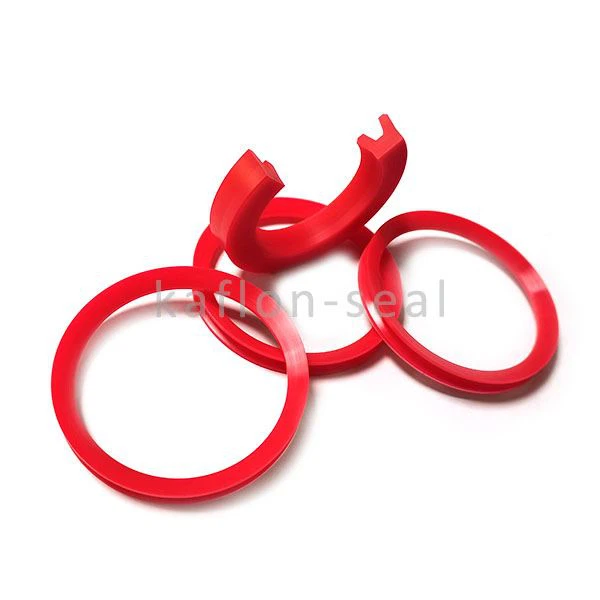
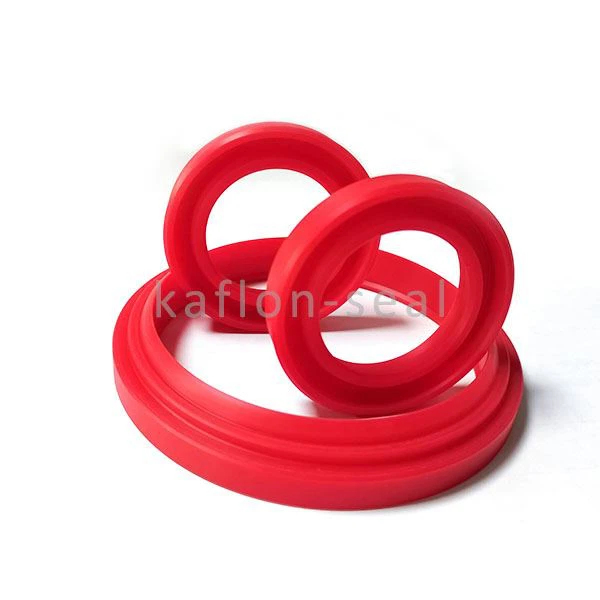
To improve the temperature resistance of the seal, special additives can be added to the polyurethane material during the manufacturing process. These additives can enhance the thermal stability of the material and allow the seal to maintain its performance in a wide temperature range.
Chemical Resistance
In addition to temperature, polyurethanes seals may also come into contact with various chemicals. Different chemicals have different effects on the seal. Some chemicals can dissolve or swell the seal, which will reduce its sealing performance.
Therefore, when selecting a seal, it is necessary to consider the chemical environment in which it will be used. As mentioned earlier, anti - corrosion TPU seals are suitable for corrosive environments.
Conclusion
Improving the sealing reliability of polyurethanes seals requires a comprehensive approach, including proper material selection, reasonable design, correct installation and maintenance, strict quality control, and consideration of environmental adaptability. As a polyurethanes seal supplier, we are committed to providing high - quality seals and technical support to our customers.
If you are interested in our products or need more information about improving the sealing reliability of polyurethanes seals, please feel free to contact us for procurement and negotiation. We look forward to working with you to solve your sealing problems.
References
- Brown, R. A. (2015). Sealing Technology Handbook. Elsevier.
- Smith, J. D. (2018). Polyurethane Elastomers: Science and Technology. CRC Press.
- Johnson, M. T. (2020). Industrial Sealing Technology. McGraw - Hill.