


 Popular Blog Posts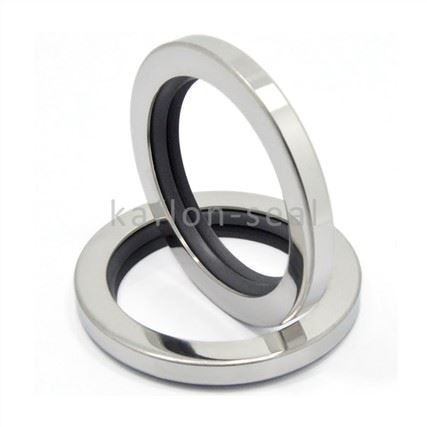


 Blog
BlogRotary shaft seals play a crucial role in various industrial applications, preventing the leakage of fluids such as oil and grease while keeping contaminants out. As a leading supplier of rotary shaft seals, I understand the importance of optimal sealing performance. In this blog post, I will share some valuable insights on how to improve the sealing performance of rotary shaft seals.
Selecting the Right Seal Material
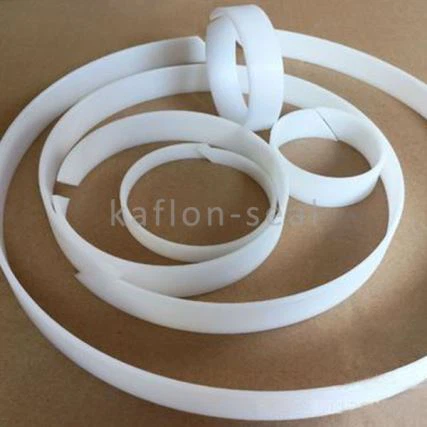
The choice of seal material is fundamental to achieving good sealing performance. Different materials have distinct properties that make them suitable for various operating conditions. For instance, PTFE (Polytetrafluoroethylene) is a popular choice due to its low friction coefficient, chemical resistance, and wide temperature range tolerance. Our Friction Coefficients PTFE Oil Seal Seal is designed with high - quality PTFE, which can significantly reduce friction and wear during operation. This not only extends the service life of the seal but also ensures a more reliable sealing effect.
Another excellent option is rubber - based materials. Nitrile rubber (NBR) is well - known for its good oil resistance and mechanical properties. It can withstand moderate temperatures and pressures, making it a cost - effective choice for many general - purpose applications. However, in more demanding environments, such as those with high - temperature or aggressive chemicals, fluorocarbon rubber (FKM) might be a better alternative. FKM offers superior chemical resistance and can operate at higher temperatures compared to NBR.
Proper Shaft and Housing Preparation
The condition of the shaft and housing where the rotary shaft seal is installed has a direct impact on its sealing performance. The shaft surface finish is critical. A too - rough surface can cause excessive wear on the seal lip, leading to premature failure and leakage. On the other hand, an overly smooth surface may not provide enough friction for the seal lip to maintain a proper sealing contact. Generally, a surface finish of Ra 0.2 - 0.8 µm is recommended for most rotary shaft seals.
The housing bore should also be machined to the correct dimensions and have a proper surface finish. Any burrs, scratches, or irregularities in the housing can damage the seal during installation or cause it to lose its sealing integrity over time. Additionally, the housing should be clean and free of debris before installing the seal.

Correct Installation Techniques
Proper installation is key to ensuring the sealing performance of rotary shaft seals. First, it is essential to use the correct installation tools. Using improper tools can damage the seal, such as deforming the seal lip or scratching the sealing surface. For example, a simple pry bar should never be used to install a seal as it can easily cause permanent damage.
During installation, the seal should be aligned correctly with the shaft and housing. Misalignment can lead to uneven stress distribution on the seal lip, resulting in leakage. It is also important to install the seal at the correct depth. If the seal is installed too shallow, it may not provide an effective seal, while installing it too deep can cause excessive compression and premature wear.
Optimal Operating Conditions
Maintaining optimal operating conditions can significantly improve the sealing performance of rotary shaft seals. Temperature is a critical factor. High temperatures can cause the seal material to expand, which may lead to increased friction and wear. In extreme cases, it can also cause the material to degrade. Therefore, it is important to ensure that the operating temperature is within the recommended range for the specific seal material.
Pressure is another important consideration. Excessive pressure can force the fluid past the seal, causing leakage. If the system operates at high pressures, it may be necessary to use a seal specifically designed for high - pressure applications, such as our Rotary PTFE Lips Stainless Oil Seal. This type of seal is engineered to withstand higher pressures while maintaining a reliable sealing performance.
Regular Maintenance and Inspection
Regular maintenance and inspection are essential for ensuring the long - term sealing performance of rotary shaft seals. Inspecting the seals periodically can help detect early signs of wear, damage, or leakage. Signs of a failing seal may include fluid leakage, increased friction, or abnormal noise.
If any issues are detected during the inspection, the seal should be replaced promptly. It is also a good practice to clean the shaft and housing during seal replacement to remove any contaminants that may have accumulated. Additionally, lubrication can play an important role in maintaining the performance of the seal. Using the right lubricant can reduce friction and wear on the seal lip, extending its service life.
Seal Design Considerations
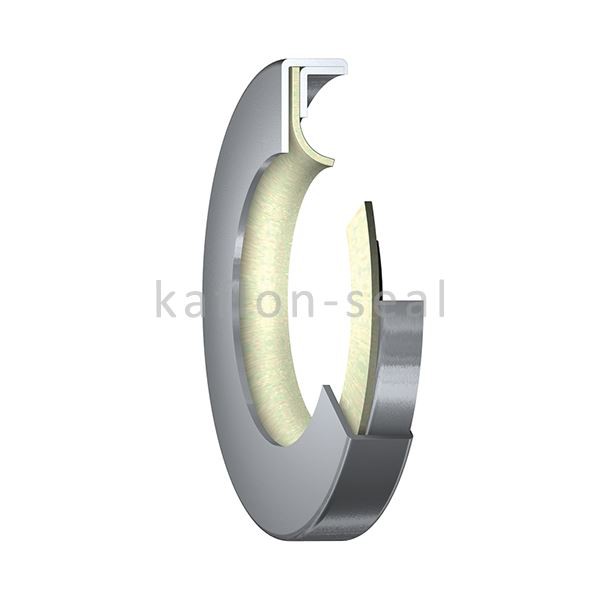
The design of the rotary shaft seal itself can also have a significant impact on its sealing performance. For example, the shape of the seal lip is crucial. A well - designed seal lip can conform to the shaft surface more effectively, providing a better sealing contact. Some seals are designed with multiple lips, which can provide an additional level of protection against leakage.
Our PTFE Stainless Rotary Shaft Seal features an innovative design that combines the advantages of PTFE and stainless steel. The stainless - steel construction provides excellent durability and corrosion resistance, while the PTFE seal lip ensures a low - friction and reliable sealing performance.
Conclusion
Improving the sealing performance of rotary shaft seals requires a comprehensive approach that includes selecting the right seal material, proper shaft and housing preparation, correct installation techniques, maintaining optimal operating conditions, regular maintenance and inspection, and considering the seal design. As a supplier of rotary shaft seals, we are committed to providing high - quality products and technical support to help our customers achieve the best sealing performance.
If you are interested in our rotary shaft seals or have any questions about improving sealing performance, please feel free to contact us for further discussion and potential procurement. We look forward to working with you to meet your sealing needs.
References
- "Handbook of Seal Technology" by John H. Bickford
- "Sealing Technology for Rotating Equipment" by Robert J. Bush