


 Popular Blog Posts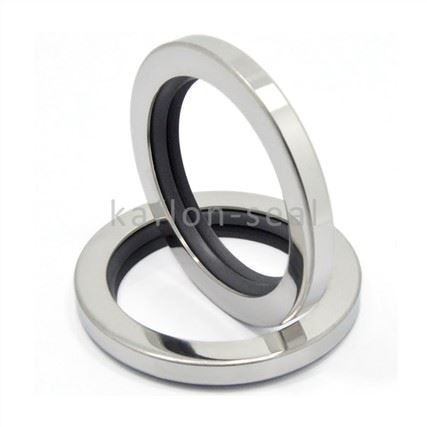


 Blog
BlogHey there! As a PTFE lip seal supplier, I've seen firsthand how crucial it is to have top - notch sealing efficiency. PTFE lip seals are used in a wide range of applications, from automotive to industrial machinery, and getting that perfect seal can make all the difference. So, let's dive into how we can improve the sealing efficiency of PTFE lip seals.
Understanding PTFE Lip Seals
First off, let's talk a bit about what PTFE lip seals are. PTFE, or polytetrafluoroethylene, is a synthetic fluoropolymer known for its excellent chemical resistance, low friction, and high - temperature stability. Lip seals, on the other hand, are designed to prevent the leakage of fluids (like oil or grease) and the ingress of contaminants (such as dust or dirt).
PTFE lip seals are made up of a PTFE sealing lip that makes contact with a rotating or reciprocating shaft. The shape and design of the lip play a huge role in how well it seals. There are different types of PTFE lip seals available, such as Double Lips PTFE Oil Seal, PTFE Filled POB Shaft Seal, and Rotating Motions PTFE Shaft Seals. Each type is tailored to specific applications and operating conditions.
Selecting the Right Seal Design
One of the first steps in improving sealing efficiency is choosing the right seal design. The design should be compatible with the application's requirements, including the type of fluid to be sealed, the pressure, temperature, and speed of the shaft.

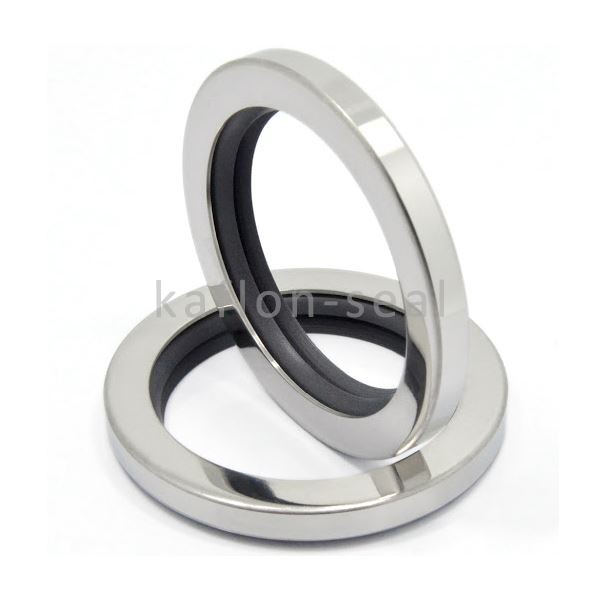
For example, in high - pressure applications, a seal with a more robust lip design might be needed. Double - lip seals, like the Double Lips PTFE Oil Seal, can provide an extra layer of protection against fluid leakage. They have two sealing lips that work together to create a better barrier.
In applications where there is a lot of contamination, a seal with a dust lip can be a great choice. The dust lip helps to keep dirt and debris away from the main sealing lip, extending the seal's lifespan and improving its sealing performance.
Shaft Surface Finish
The surface finish of the shaft has a significant impact on the sealing efficiency of PTFE lip seals. A rough shaft surface can cause excessive wear on the seal lip, leading to leakage. On the other hand, a too - smooth surface might not allow the seal lip to form a proper seal.
The ideal surface finish for a PTFE lip seal typically ranges from 0.2 to 0.8 micrometers Ra (arithmetical mean deviation of the profile). This finish provides enough roughness for the seal lip to grip the shaft while minimizing wear. It's important to ensure that the shaft is properly machined and finished before installing the seal.
Installation
Proper installation is key to achieving optimal sealing efficiency. When installing a PTFE lip seal, it's important to follow the manufacturer's instructions carefully. Here are some general tips:
- Clean the Shaft and Housing: Before installation, make sure the shaft and the housing are clean and free of any dirt, debris, or burrs. Any foreign particles can damage the seal lip during installation or cause premature wear.
- Use the Right Tools: Use appropriate installation tools to avoid damaging the seal. A seal installer can help to ensure that the seal is installed evenly and at the correct depth.
- Lubricate the Seal: Lubricating the seal lip with a compatible lubricant can make the installation process easier and help to prevent damage to the lip. It also helps to form a better initial seal.
Maintenance and Monitoring
Regular maintenance and monitoring can go a long way in improving the sealing efficiency of PTFE lip seals. Here are some things to keep in mind:
- Inspect Regularly: Periodically inspect the seals for signs of wear, damage, or leakage. Look for cracks, tears, or signs of excessive wear on the seal lip. If any issues are detected, replace the seal as soon as possible.
- Check the Lubrication: Make sure that the lubricant in the system is at the correct level and in good condition. Contaminated or degraded lubricant can cause problems for the seal and reduce its sealing efficiency.
- Monitor Operating Conditions: Keep an eye on the operating conditions of the equipment, such as temperature, pressure, and speed. Any significant changes in these conditions can affect the performance of the seal.
Material Selection
The choice of PTFE material can also impact the sealing efficiency. There are different grades of PTFE available, each with its own set of properties. For example, filled PTFE materials, like the PTFE Filled POB Shaft Seal, can offer improved mechanical properties, such as increased hardness and wear resistance.
When selecting a PTFE material, consider the specific requirements of the application. If the application involves high temperatures, a PTFE material with good thermal stability should be chosen. If chemical resistance is a concern, select a PTFE material that is resistant to the specific chemicals in the system.
Environmental Factors
Environmental factors can also affect the sealing efficiency of PTFE lip seals. For example, exposure to extreme temperatures, humidity, or chemicals can cause the seal material to degrade over time.
In high - temperature applications, the PTFE material may start to soften or lose its elasticity, leading to leakage. In such cases, using a PTFE material with a higher temperature rating can help. Similarly, in applications where the seal is exposed to chemicals, make sure the PTFE material is resistant to those chemicals.
Contact for Purchase and Consultation
Improving the sealing efficiency of PTFE lip seals is a multi - faceted process that involves selecting the right design, ensuring proper installation, and regular maintenance. If you're in the market for high - quality PTFE lip seals or need advice on how to improve the sealing efficiency in your application, don't hesitate to get in touch. We're here to help you find the best solutions for your sealing needs.
References
- "Sealing Technology Handbook" by John H. Bickford
- "PTFE: Properties and Applications" by David A. Skoog