


 Popular Blog Posts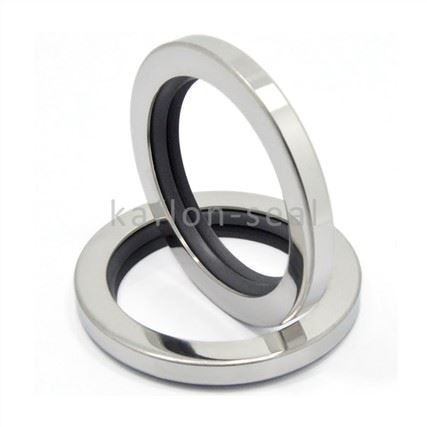


 Blog
BlogHey there! As a supplier of radial oil seals, I've seen firsthand how crucial these little components are in a wide range of applications. Whether it's in automotive engines, industrial machinery, or even aerospace equipment, radial oil seals play a vital role in preventing the leakage of fluids and keeping contaminants out. In this blog post, I'm going to share some tips on how to improve the performance of radial oil seals, based on my years of experience in the industry.
Choose the Right Material
One of the most important factors in determining the performance of a radial oil seal is the material it's made from. Different materials have different properties, such as chemical resistance, temperature resistance, and abrasion resistance. When choosing a material for your radial oil seal, you need to consider the specific application and the conditions it will be exposed to.
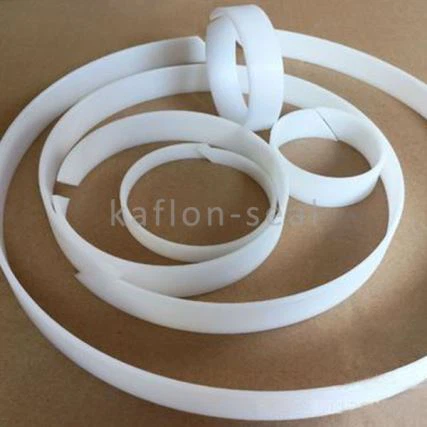
For example, if you're using the seal in a high-temperature environment, you might want to choose a material like PTFE (polytetrafluoroethylene). PTFE has excellent heat resistance and can withstand temperatures up to 260°C (500°F). It also has a low coefficient of friction, which means it can reduce wear and tear on the seal and the shaft. You can check out our PTFE Filled POB Shaft Seal for a high-performance option.
On the other hand, if you're dealing with a corrosive fluid, you might need a material that's more chemically resistant. Materials like nitrile rubber (NBR) and fluorocarbon rubber (FKM) are commonly used for their excellent chemical resistance. NBR is a good choice for general-purpose applications, while FKM is more suitable for applications where the seal will be exposed to harsh chemicals. We also offer PTFE Lip Seal, which combines the benefits of PTFE and rubber for enhanced performance.
Ensure Proper Installation
Proper installation is another key factor in improving the performance of radial oil seals. If the seal is not installed correctly, it can lead to premature failure and leakage. Here are some tips to ensure proper installation:


- Clean the Shaft and Housing: Before installing the seal, make sure the shaft and housing are clean and free of any dirt, debris, or burrs. Any contaminants can damage the seal and reduce its performance.
- Use the Right Tools: Use the appropriate tools to install the seal, such as a seal installer or a press. Avoid using sharp objects or excessive force, as this can damage the seal.
- Align the Seal Properly: Make sure the seal is aligned correctly with the shaft and housing. The seal should be installed straight and not tilted or twisted.
- Apply Lubricant: Apply a small amount of lubricant to the seal lip and the shaft before installation. This will help reduce friction and make the installation easier.
Maintain the Right Operating Conditions
The operating conditions can also have a significant impact on the performance of radial oil seals. Here are some factors to consider:
- Temperature: Make sure the operating temperature is within the range specified by the seal manufacturer. Extreme temperatures can cause the seal material to expand or contract, which can lead to leakage.
- Pressure: The pressure inside the system should also be within the recommended range. High pressure can cause the seal to deform or rupture, while low pressure can cause the seal to lose contact with the shaft.
- Speed: The rotational speed of the shaft can affect the performance of the seal. Make sure the speed is within the limits specified by the manufacturer. High speeds can cause excessive wear and tear on the seal.
- Fluid Compatibility: Ensure that the fluid in the system is compatible with the seal material. Incompatible fluids can cause the seal to swell, harden, or degrade, which can reduce its performance.
Monitor and Inspect Regularly
Regular monitoring and inspection can help detect any potential problems with the radial oil seals early on. Here are some things to look for:
- Leakage: Check for any signs of leakage around the seal. Leakage can indicate a problem with the seal installation, the operating conditions, or the seal itself.
- Wear and Tear: Inspect the seal for any signs of wear and tear, such as cracks, tears, or abrasions. Excessive wear can reduce the seal's performance and lead to leakage.
- Alignment: Make sure the seal is still aligned correctly with the shaft and housing. Misalignment can cause the seal to wear unevenly and reduce its performance.
If you notice any problems with the seal, take action immediately to address them. This might involve replacing the seal, adjusting the operating conditions, or making other necessary repairs.
Consider Upgrading to a Higher-Performance Seal
If you're experiencing frequent seal failures or leakage, it might be worth considering upgrading to a higher-performance seal. Our Dynamic Sealing Rotary Shaft Seal Ring is a great option for applications where high performance is required. It features advanced sealing technology and a durable design that can withstand harsh operating conditions.
In conclusion, improving the performance of radial oil seals requires a combination of choosing the right material, ensuring proper installation, maintaining the right operating conditions, monitoring and inspecting regularly, and considering upgrading to a higher-performance seal when necessary. By following these tips, you can extend the lifespan of your seals, reduce downtime, and improve the overall efficiency of your equipment.
If you're interested in learning more about our radial oil seals or have any questions, feel free to reach out to us. We'd be happy to help you find the right solution for your application.
References
- Seal Handbook, Various Editions
- Manufacturer's Technical Documentation on Radial Oil Seals