


 Popular Blog Posts


 Blog
BlogHydraulic wipers play a crucial role in the performance and longevity of hydraulic systems. As a trusted hydraulic wipers supplier, we understand the importance of proper handling to avoid damage. In this blog, we will delve into the best practices for handling hydraulic wipers to ensure their optimal functionality and durability.
Understanding Hydraulic Wipers
Before we discuss how to handle hydraulic wipers, it's essential to understand their function. Hydraulic wipers are designed to prevent contaminants such as dust, dirt, and moisture from entering the hydraulic cylinder. They are typically installed on the rod end of the cylinder and wipe the rod clean as it moves in and out. This helps to protect the internal components of the cylinder, such as the seals and pistons, from wear and damage.
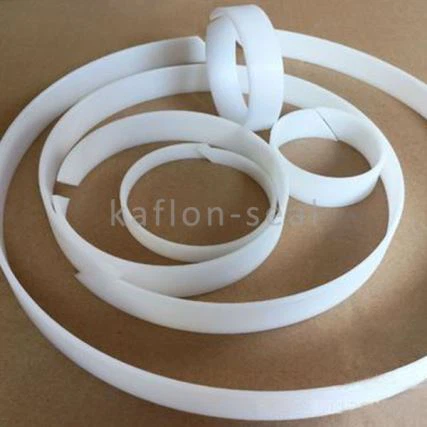
There are different types of hydraulic wipers available in the market, each with its own unique features and applications. For example, Phenolic Cloth Hydraulic Wiper is known for its excellent abrasion resistance and chemical compatibility. PTFE Guide Rings offer low friction and high wear resistance, while Phenolic Fabric Guide Rings provide good mechanical strength and dimensional stability.
Storage of Hydraulic Wipers
Proper storage is the first step in ensuring the integrity of hydraulic wipers. When not in use, hydraulic wipers should be stored in a clean, dry, and temperature - controlled environment. Exposure to extreme temperatures, humidity, and sunlight can cause the wipers to deteriorate over time.
- Temperature: The ideal storage temperature for hydraulic wipers is between 20°C and 25°C (68°F - 77°F). Avoid storing them in areas where the temperature can fluctuate significantly, such as near heating or cooling vents.
- Humidity: High humidity can lead to corrosion and mold growth on the wipers. Keep the storage area humidity below 60%. If necessary, use dehumidifiers to maintain the appropriate humidity level.
- Packaging: Hydraulic wipers should be stored in their original packaging or in sealed plastic bags to protect them from dust and contaminants. Label the packages clearly with the type, size, and part number of the wipers for easy identification.
Handling During Installation
The installation process is critical, and improper handling during this stage can cause immediate damage to the hydraulic wipers.
- Cleanliness: Before installation, make sure the hydraulic cylinder and the rod are thoroughly cleaned. Any dirt or debris on the surfaces can scratch the wipers and reduce their effectiveness. Use a clean, lint - free cloth and a suitable cleaning solvent to clean the components.
- Lubrication: Apply a thin layer of compatible lubricant to the wipers and the rod. This not only makes the installation easier but also helps to reduce friction during operation. However, be careful not to use too much lubricant, as it can attract dirt and contaminants.
- Proper Tools: Use the appropriate tools for installation. Avoid using sharp or pointed tools that can cut or damage the wipers. Special installation tools are available for different types of wipers, and using them will ensure a proper and damage - free installation.
- Alignment: Ensure that the wipers are properly aligned during installation. Misaligned wipers can cause uneven wear and may not seal effectively. Follow the manufacturer's installation instructions carefully to achieve the correct alignment.
Handling During Maintenance
Regular maintenance is essential for the long - term performance of hydraulic wipers.


- Inspection: Periodically inspect the wipers for signs of wear, damage, or deformation. Look for cracks, cuts, abrasions, or any other visible defects. If any issues are detected, replace the wipers immediately to prevent further damage to the hydraulic system.
- Replacement: When replacing the wipers, follow the same handling and installation procedures as described above. Dispose of the old wipers properly to prevent environmental pollution.
- System Flushing: During maintenance, it may be necessary to flush the hydraulic system to remove any contaminants. This helps to keep the wipers clean and functioning properly. Use a high - quality flushing fluid and follow the recommended flushing procedure.
Handling in Different Operating Conditions
Hydraulic wipers may be exposed to different operating conditions, and special handling is required in each case.
- High - Pressure Applications: In high - pressure hydraulic systems, the wipers are subjected to greater stress. Ensure that the wipers are designed for high - pressure applications and are properly installed. Regularly check the wipers for signs of pressure - related damage, such as extrusion or deformation.
- Extreme Temperatures: In applications where the hydraulic system operates at extreme temperatures, choose wipers that are suitable for the specific temperature range. For high - temperature applications, wipers made of heat - resistant materials should be used. In cold - temperature environments, the wipers may become brittle, so proper insulation and pre - heating may be required.
- Contaminated Environments: In dirty or dusty environments, additional protective measures may be needed. Consider using secondary wipers or protective covers to prevent excessive contamination. Also, increase the frequency of inspection and maintenance to ensure the wipers are in good condition.
Training and Education
Proper handling of hydraulic wipers requires knowledge and skills. Provide training to the personnel involved in the storage, installation, and maintenance of hydraulic wipers. This will not only reduce the risk of damage but also improve the overall performance of the hydraulic systems. Training should cover topics such as storage requirements, installation procedures, maintenance practices, and how to identify and handle common problems.
Conclusion
As a hydraulic wipers supplier, we are committed to providing high - quality products and sharing our expertise to ensure that our customers get the most out of our wipers. By following the best practices for storage, installation, maintenance, and handling in different operating conditions, you can significantly reduce the risk of damage to hydraulic wipers and extend the lifespan of your hydraulic systems.
If you are interested in purchasing our hydraulic wipers or have any questions regarding their handling and application, we invite you to contact us for further discussion. Our team of experts is ready to assist you in finding the most suitable solutions for your needs.
References
- "Hydraulic Seals Handbook" - A comprehensive guide on hydraulic seals and wipers, covering design, materials, and application.
- Manufacturer's product manuals and technical specifications for different types of hydraulic wipers.
- Industry standards and guidelines related to hydraulic system maintenance and component handling.