


 Popular Blog Posts


 Blog
BlogHey there! As a supplier of hydraulic piston seals, I often get asked about how to evaluate the cost - effectiveness of these crucial components. In this blog, I'll share some insights that I've gathered over the years in the industry.
First off, let's understand what cost - effectiveness really means in the context of hydraulic piston seals. It's not just about the upfront price tag. Cost - effectiveness is a balance between the initial cost of the seal and the long - term benefits it brings, such as reduced maintenance, longer service life, and improved system performance.
1. Initial Cost
The first thing most people look at is the price of the hydraulic piston seal. When comparing different seals, it's important to remember that a lower price doesn't always mean better value. Cheaper seals might be made from lower - quality materials or have less precise manufacturing processes.

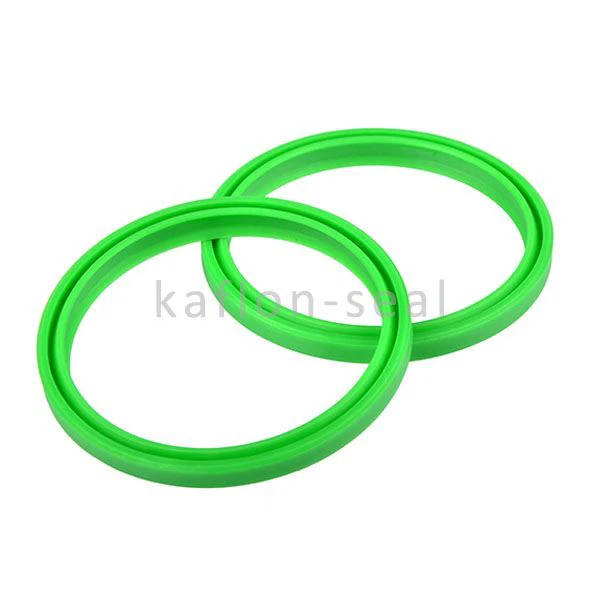
For example, some seals might use inferior rubber compounds that can degrade quickly under high - pressure or high - temperature conditions. On the other hand, high - quality seals like the Hydraulic Dynamic Sealing Glyd Ring are designed to withstand tough operating environments. They may cost more initially, but they can save you a lot of money in the long run.
2. Service Life
The service life of a hydraulic piston seal is a key factor in evaluating its cost - effectiveness. A seal that lasts longer will need to be replaced less frequently, reducing both the cost of the seals themselves and the labor costs associated with replacement.
Factors that affect the service life of a seal include the quality of the materials, the design of the seal, and the operating conditions. High - quality materials like PTFE or special elastomers can resist wear, corrosion, and chemical attack better than standard materials.
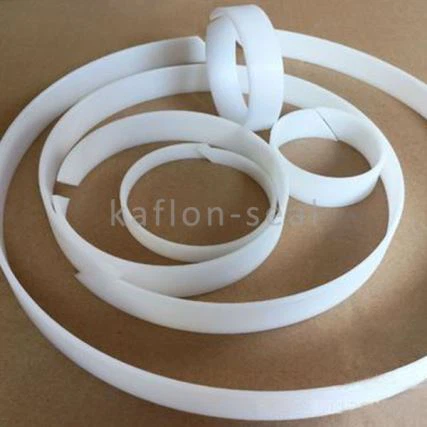
The POM Guide Ring For Hydraulic is a great example of a component that can enhance the service life of the overall sealing system. It provides support to the piston, reducing the stress on the seal and preventing premature wear.
3. Maintenance Requirements
Another aspect to consider is the maintenance requirements of the hydraulic piston seal. Some seals require regular lubrication or adjustment to maintain their performance. These additional maintenance tasks can add to the overall cost of using the seal.
Seals that are designed for low - maintenance operation can be a more cost - effective choice. For instance, some modern seals have self - lubricating properties or are designed to be less sensitive to contaminants in the hydraulic fluid. The Hydraulic Wiper Seals play an important role here. They help keep dirt and debris out of the hydraulic system, reducing the risk of damage to the piston seal and minimizing the need for frequent maintenance.
4. System Performance
The performance of the hydraulic system as a whole can also be affected by the choice of piston seal. A high - quality seal can improve the efficiency of the hydraulic system by reducing leakage. Leakage not only wastes hydraulic fluid but can also lead to a loss of system pressure and reduced performance.
When a seal allows excessive leakage, the hydraulic pump has to work harder to maintain the required pressure. This can increase energy consumption and lead to premature wear of other components in the system. By choosing a cost - effective seal that minimizes leakage, you can improve the overall performance of your hydraulic system and save on energy costs.
5. Compatibility
Compatibility is often overlooked but is a crucial factor in evaluating the cost - effectiveness of a hydraulic piston seal. The seal must be compatible with the hydraulic fluid, the operating temperature, and the materials of the other components in the system.
If a seal is not compatible with the hydraulic fluid, it can swell, shrink, or degrade, leading to poor performance and a shorter service life. Similarly, if the seal is not suitable for the operating temperature range, it may become brittle or lose its elasticity. Before purchasing a seal, make sure to check its compatibility with your specific system requirements.
6. Testing and Certification
Reputable suppliers usually conduct various tests on their hydraulic piston seals to ensure their quality and performance. Look for seals that have been tested for factors such as pressure resistance, temperature resistance, and wear resistance.
Certifications can also be a good indicator of a seal's quality. For example, seals that meet international standards like ISO or DIN are more likely to perform well and be cost - effective in the long run. When you're considering different seals, ask your supplier about the testing and certification processes they follow.
7. Supplier Support
The support you get from your seal supplier is also an important part of the cost - effectiveness equation. A good supplier will offer technical advice, help with installation, and provide after - sales support.
If you run into problems with a seal, having a responsive supplier who can quickly provide solutions can save you time and money. They can also offer guidance on choosing the right seal for your specific application, ensuring that you get the best value for your investment.
In conclusion, evaluating the cost - effectiveness of a hydraulic piston seal involves looking at multiple factors, not just the initial price. By considering the service life, maintenance requirements, system performance, compatibility, testing, and supplier support, you can make a more informed decision and choose a seal that will provide the best long - term value.
If you're in the market for hydraulic piston seals or have any questions about evaluating their cost - effectiveness, don't hesitate to reach out. We're here to help you find the right solutions for your hydraulic systems.
References
- "Hydraulic Seals Handbook", Industry Publication
- "Materials and Design for Hydraulic Components", Academic Journal