


 Popular Blog Posts


 Blog
BlogEnsuring the uniformity of the sealing force of hydraulic wipers is crucial for the optimal performance and longevity of hydraulic systems. As a leading supplier of hydraulic wipers, we understand the significance of this factor and have extensive experience in providing solutions that meet the highest standards. In this blog post, we will explore various aspects of ensuring the uniformity of the sealing force of hydraulic wipers, including design considerations, manufacturing processes, and quality control measures.
Design Considerations
The design of hydraulic wipers plays a fundamental role in achieving uniform sealing force. When designing hydraulic wipers, several factors need to be taken into account to ensure consistent performance.
Material Selection
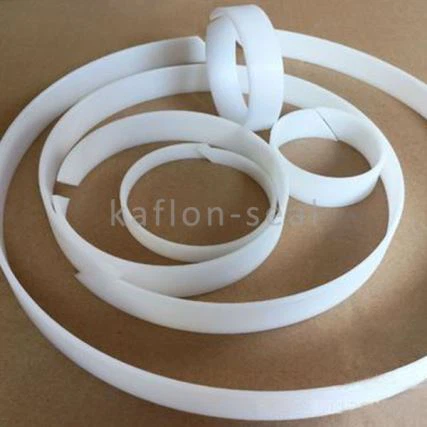
The choice of material for hydraulic wipers is critical as it directly affects the sealing force and durability. Different materials have different properties, such as hardness, elasticity, and chemical resistance. For example, Phenolic Cloth Hydraulic Wiper offers excellent wear resistance and high-temperature stability, making it suitable for heavy-duty applications. On the other hand, Hydraulic Polyurethane Wear Ring provides good elasticity and low friction, which helps in maintaining a uniform sealing force.
Geometry and Dimensions
The geometry and dimensions of the hydraulic wiper also have a significant impact on the sealing force. The cross-sectional shape, lip design, and radial interference are all important parameters that need to be carefully optimized. For instance, a well-designed lip shape can ensure proper contact with the moving surface, resulting in a more uniform sealing force distribution. Additionally, accurate control of the radial interference is essential to prevent excessive or insufficient sealing force.
Compatibility with the System
The hydraulic wiper must be compatible with the entire hydraulic system, including the fluid, pressure, and temperature conditions. Incompatible materials can lead to swelling, shrinkage, or chemical degradation, which can affect the sealing force and performance. Therefore, it is necessary to select the appropriate wiper material based on the specific requirements of the system.
Manufacturing Processes
The manufacturing processes used to produce hydraulic wipers can significantly influence the uniformity of the sealing force. High-quality manufacturing techniques ensure that each wiper meets the design specifications and performs consistently.
Precision Molding
Precision molding is a key manufacturing process for hydraulic wipers. This process allows for the accurate replication of the designed geometry and dimensions, ensuring that each wiper has the same shape and size. Advanced molding technologies, such as injection molding and compression molding, can produce wipers with high precision and repeatability.
Surface Finish
The surface finish of the hydraulic wiper is also important for achieving a uniform sealing force. A smooth surface finish reduces friction and wear, which helps in maintaining a consistent contact between the wiper and the moving surface. Special surface treatment processes, such as polishing and coating, can be applied to improve the surface quality of the wipers.
Quality Control during Manufacturing
Implementing strict quality control measures during the manufacturing process is essential to ensure the uniformity of the sealing force. This includes inspecting the raw materials, monitoring the molding process parameters, and conducting final product testing. By detecting and correcting any deviations early in the manufacturing process, we can ensure that each hydraulic wiper meets the required quality standards.
Quality Control Measures
In addition to the design and manufacturing processes, comprehensive quality control measures are necessary to ensure the uniformity of the sealing force of hydraulic wipers.
Testing and Inspection
Before the hydraulic wipers are shipped to customers, they undergo a series of rigorous tests and inspections. These tests include measuring the sealing force, checking the dimensions and geometry, and evaluating the surface finish. Only wipers that pass all the tests are approved for sale.
Statistical Process Control
Statistical process control (SPC) is a powerful tool for monitoring and controlling the manufacturing process. By collecting and analyzing data on key process parameters, such as temperature, pressure, and cycle time, we can identify any trends or variations in the process. This allows us to take corrective actions in a timely manner to ensure the consistency of the sealing force.
Customer Feedback and Continuous Improvement
We value our customers' feedback and use it as an important source of information for continuous improvement. By listening to our customers' experiences and suggestions, we can identify areas for improvement in our products and processes. This helps us to enhance the uniformity of the sealing force of our hydraulic wipers and provide better solutions to our customers.


Conclusion
Ensuring the uniformity of the sealing force of hydraulic wipers is a complex but essential task for the proper functioning of hydraulic systems. By considering the design factors, using advanced manufacturing processes, and implementing strict quality control measures, we can provide high-quality hydraulic wipers that offer consistent sealing performance.
As a reliable supplier of hydraulic wipers, we are committed to providing our customers with the best products and services. If you are interested in our Phenolic Cloth Hydraulic Wiper, Hydraulic Polyurethane Wear Ring, POM Guide Rings or other hydraulic wiper products, please feel free to contact us for more information and to discuss your specific requirements. We look forward to the opportunity to work with you and contribute to the success of your hydraulic systems.
References
- "Hydraulic Seals Handbook" by John A. Dickson
- "Sealing Technology for Fluid Power Systems" by Heinz P. Bloch