


 Popular Blog Posts


 Blog
BlogHydraulic wipers play a crucial role in hydraulic systems, protecting cylinders from contaminants and ensuring smooth operation. One of the key factors in the performance of hydraulic wipers is the pre - load. Properly adjusting the pre - load of hydraulic wipers can significantly enhance their efficiency and longevity. As a hydraulic wipers supplier, I'd like to share some insights on how to adjust the pre - load of hydraulic wipers.
Understanding Pre - load in Hydraulic Wipers
Before delving into the adjustment process, it's essential to understand what pre - load means in the context of hydraulic wipers. Pre - load refers to the initial force exerted by the wiper on the cylinder rod or piston. This force is necessary to create a proper seal against contaminants such as dust, dirt, and moisture. If the pre - load is too low, the wiper may not effectively prevent contaminants from entering the system, leading to premature wear and potential damage to the cylinder components. On the other hand, if the pre - load is too high, it can cause excessive friction, increased energy consumption, and accelerated wear of the wiper itself.
Factors Affecting Pre - load
Several factors can influence the pre - load of hydraulic wipers. These include the material of the wiper, the design of the wiper, the dimensions of the cylinder and rod, and the operating conditions of the hydraulic system.
- Wiper Material: Different materials have different elastic properties, which directly affect the pre - load. For example, rubber - based wipers are generally more elastic than polyurethane wipers. The elasticity of the material determines how much force it can exert on the rod or piston when installed.
- Wiper Design: The shape and structure of the wiper also play a role in determining the pre - load. Wipers with a more complex design may have different pre - load characteristics compared to simple designs. For instance, lip - type wipers rely on the shape of the lip to create the sealing force and pre - load.
- Cylinder and Rod Dimensions: The diameter and surface finish of the cylinder rod can affect the pre - load. A rod with a larger diameter may require a different pre - load compared to a smaller one. Additionally, a rough surface finish on the rod can increase friction and potentially affect the pre - load distribution.
- Operating Conditions: The temperature, pressure, and speed of the hydraulic system can all impact the pre - load. High temperatures can cause the wiper material to expand or lose its elasticity, while high pressures can increase the force required to maintain a proper seal.
Methods for Adjusting Pre - load
1. Selecting the Right Wiper
The first step in adjusting the pre - load is to select the appropriate wiper for the specific application. This involves considering the factors mentioned above, such as the operating conditions, cylinder and rod dimensions, and the required level of sealing performance. As a hydraulic wipers supplier, we offer a wide range of wipers made from different materials, including rubber, polyurethane, and PTFE. Each material has its own unique properties and is suitable for different applications.
For example, if the hydraulic system operates in a high - temperature environment, PTFE wipers may be a better choice due to their excellent heat resistance. On the other hand, if the system requires high - pressure sealing, polyurethane wipers may be more appropriate because of their high - strength and good elasticity.


2. Installation Process
The installation process can also have a significant impact on the pre - load of hydraulic wipers. Here are some key points to keep in mind during installation:
- Clean the Surfaces: Before installing the wiper, it's crucial to clean the cylinder bore and the rod thoroughly. Any dirt or debris on these surfaces can affect the pre - load and the sealing performance of the wiper.
- Use the Right Tools: Proper installation tools should be used to ensure that the wiper is installed correctly. For example, a wiper installation sleeve can be used to prevent damage to the wiper during installation and to ensure uniform pre - load distribution.
- Follow the Installation Guidelines: Each type of wiper has specific installation guidelines provided by the manufacturer. These guidelines should be followed carefully to ensure that the pre - load is set correctly. For instance, some wipers may require a certain amount of compression during installation to achieve the desired pre - load.
3. Adjusting the Wiper Position
In some cases, the pre - load can be adjusted by changing the position of the wiper within the cylinder. This can be done by using shims or spacers to adjust the distance between the wiper and the rod. By increasing or decreasing this distance, the pre - load can be fine - tuned.
However, this method requires careful consideration and should only be done by experienced technicians. Incorrect adjustment of the wiper position can lead to uneven pre - load distribution, which can cause premature wear and sealing failures.
Importance of Proper Pre - load Adjustment
Properly adjusting the pre - load of hydraulic wipers is essential for the overall performance and reliability of the hydraulic system. Here are some of the benefits of correct pre - load adjustment:
- Enhanced Sealing Performance: A proper pre - load ensures that the wiper can effectively seal against contaminants, preventing them from entering the hydraulic system. This helps to protect the cylinder components from wear and damage, reducing the risk of system failures.
- Reduced Friction and Energy Consumption: When the pre - load is set correctly, the friction between the wiper and the rod is minimized. This reduces the energy required to operate the hydraulic system, leading to improved efficiency and lower operating costs.
- Extended Wiper Lifespan: By avoiding excessive pre - load, the wear and tear on the wiper are reduced. This extends the lifespan of the wiper, reducing the frequency of replacement and maintenance costs.
Related Products
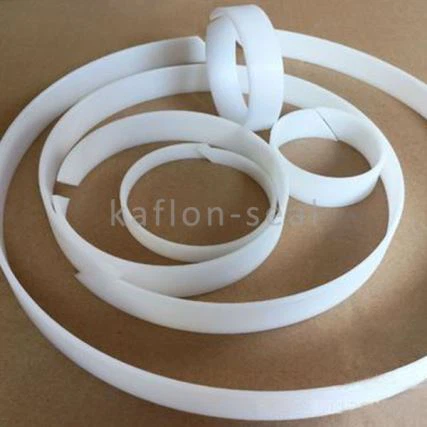
In addition to hydraulic wipers, we also offer a variety of guide rings that can complement the performance of the wipers. These include POM Guide Rings, PTFE Guide Rings, and Phenolic Fabric Guide Rings. Guide rings help to guide the piston or rod within the cylinder, ensuring smooth and stable operation. They also reduce the lateral forces on the wiper, further enhancing the sealing performance and longevity of the hydraulic system.
Conclusion
Adjusting the pre - load of hydraulic wipers is a critical aspect of maintaining the performance and reliability of hydraulic systems. By understanding the factors that affect pre - load, selecting the right wiper, following proper installation procedures, and making appropriate adjustments, the pre - load can be optimized for each specific application. As a hydraulic wipers supplier, we are committed to providing high - quality products and technical support to help our customers achieve the best performance from their hydraulic systems.
If you are interested in purchasing hydraulic wipers or have any questions about pre - load adjustment, please feel free to contact us for further discussion and procurement negotiation. We look forward to working with you to meet your hydraulic system needs.
References
- "Hydraulic Seals Handbook" by Fluid Sealing Association
- "Design and Application of Hydraulic Cylinders" by Eaton Corporation