


 Popular Blog Posts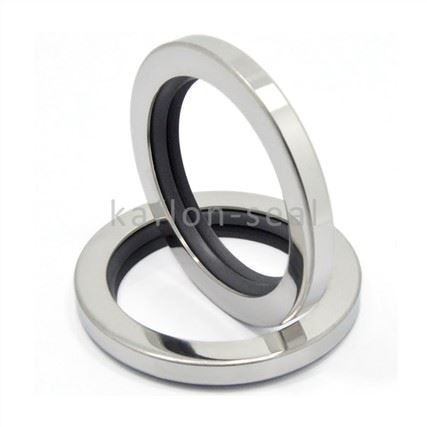


 Blog
BlogHey there! As a supplier of hydraulic rod seals, I often get asked the question: "How long does a hydraulic rod seal last?" Well, it's not a one - size - fits - all answer, and in this blog, I'm gonna break down the factors that influence the lifespan of these crucial components.
Understanding Hydraulic Rod Seals
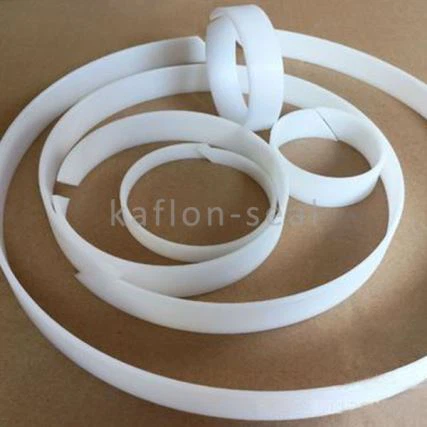
First off, let's quickly go over what hydraulic rod seals are. They're used in hydraulic cylinders to prevent fluid leakage, keep contaminants out, and ensure the smooth operation of the rod. There are different types, like the Rod Sealing Step Seal, Single Acting Rod Seal, and Linear Rod Seal. Each type has its own unique design and application, which can also impact how long it lasts.
Factors Affecting the Lifespan of Hydraulic Rod Seals
1. Operating Conditions
The environment in which the hydraulic rod seal operates plays a huge role. If the system is exposed to high temperatures, the seal material can degrade faster. For example, in industrial settings where machinery runs continuously and generates a lot of heat, the seals are under more stress. On the other hand, extremely cold temperatures can make the seal material brittle, leading to cracks and leaks.
Pressure is another key factor. High - pressure systems put more strain on the seals. If the pressure exceeds the seal's rated capacity, it can cause premature failure. For instance, in heavy - duty construction equipment, the hydraulic cylinders often operate at very high pressures, and the seals need to be able to withstand these forces.
Contamination is also a major enemy of hydraulic rod seals. Dust, dirt, and other particles can get into the system and abrasively wear down the seal. In outdoor applications like farming or mining, where the equipment is constantly exposed to the elements, the risk of contamination is much higher.
2. Seal Material
The type of material used to make the seal is crucial. Different materials have different properties and are suitable for different applications. For example, Nitrile rubber is a common choice because it's relatively inexpensive and has good resistance to oil and fuel. However, it may not be the best option for high - temperature applications.
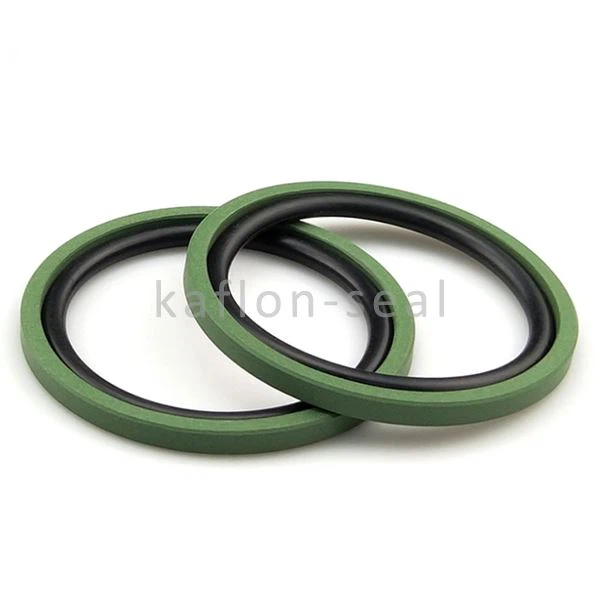

Fluorocarbon rubber, on the other hand, can withstand higher temperatures and is more resistant to chemicals. But it's also more expensive. When choosing a seal material, you need to consider the operating conditions and the requirements of the hydraulic system.
3. Installation
Proper installation is essential for the longevity of hydraulic rod seals. If the seal is not installed correctly, it can be damaged during the process. For example, if the seal is stretched too much or installed at an angle, it may not function properly and will wear out faster. It's important to follow the manufacturer's installation instructions carefully.
4. Maintenance
Regular maintenance of the hydraulic system can significantly extend the life of the rod seals. This includes checking the fluid levels, changing the hydraulic fluid at the recommended intervals, and inspecting the seals for signs of wear or damage. By catching problems early, you can prevent more serious issues from occurring.
Typical Lifespan Estimates
It's really hard to give an exact number for how long a hydraulic rod seal will last. In general, under normal operating conditions, a well - chosen and properly installed seal can last anywhere from 2,000 to 5,000 hours of operation. However, in harsh environments or high - stress applications, the lifespan could be much shorter, maybe as little as a few hundred hours.
For example, in a light - duty industrial application with moderate temperatures and pressures, and good maintenance, the seals might last closer to the 5,000 - hour mark. But in a heavy - duty construction or mining application, where the conditions are much more demanding, the seals may need to be replaced every 1,000 to 2,000 hours.
Signs of a Failing Hydraulic Rod Seal
It's important to be able to recognize the signs of a failing hydraulic rod seal so you can replace it before it causes major problems. Some common signs include fluid leakage around the rod, which is usually the most obvious sign. You might also notice a decrease in the performance of the hydraulic system, such as slower operation or reduced power.
Increased noise from the system can also indicate a problem with the seals. This could be due to air getting into the system through the leaky seal, causing cavitation and other issues.
How to Extend the Lifespan of Hydraulic Rod Seals
- Choose the Right Seal: Make sure to select a seal that is suitable for the operating conditions of your hydraulic system. Consider factors like temperature, pressure, and the type of fluid used.
- Proper Installation: Follow the installation instructions carefully to avoid damaging the seal during the installation process.
- Regular Maintenance: Keep the hydraulic system clean and change the fluid at the recommended intervals. Inspect the seals regularly for signs of wear or damage.
- Control Contamination: Use filters in the hydraulic system to prevent dirt and other particles from getting in. In outdoor applications, consider using protective covers to shield the seals from the elements.
Conclusion
So, as you can see, the lifespan of a hydraulic rod seal depends on a variety of factors. By understanding these factors and taking the right steps to care for your hydraulic system, you can ensure that your rod seals last as long as possible.
If you're in the market for high - quality hydraulic rod seals, I'm here to help. Whether you need a Rod Sealing Step Seal, Single Acting Rod Seal, or Linear Rod Seal, I can provide you with the right products for your needs. Don't hesitate to reach out if you have any questions or want to discuss your specific requirements. Let's work together to keep your hydraulic systems running smoothly!
References
- "Hydraulic Seals Handbook" by John W. Gillespie
- Industry standards and guidelines related to hydraulic systems and seals