


 Popular Blog Posts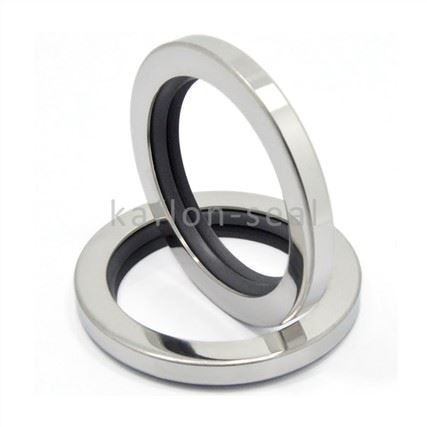



 Blog
BlogThe viscosity of a fluid is a critical factor that significantly influences the performance and longevity of rotary shaft seals. As a leading supplier of rotary shaft seals, we understand the intricate relationship between fluid viscosity and seal functionality. In this blog post, we will delve into how fluid viscosity affects rotary shaft seals and why it matters for your applications.
Understanding Fluid Viscosity
Viscosity is a measure of a fluid's resistance to flow. It describes the internal friction within a fluid as its molecules move relative to one another. High - viscosity fluids, such as honey or heavy oil, flow slowly because their molecules have strong intermolecular forces and move less freely. In contrast, low - viscosity fluids like water or gasoline flow more easily as their molecules can move past each other with less resistance.
The viscosity of a fluid is typically expressed in units such as centipoise (cP) or pascal - seconds (Pa·s). Temperature has a profound impact on fluid viscosity; generally, as temperature increases, the viscosity of a fluid decreases. This relationship is crucial to consider when analyzing the performance of rotary shaft seals, as operating temperatures can vary widely in different applications.
Impact of Fluid Viscosity on Rotary Shaft Seals
Sealing Performance
One of the primary functions of a rotary shaft seal is to prevent the leakage of fluids from the system. Fluid viscosity plays a vital role in achieving an effective seal. In high - viscosity fluids, the seal faces are more likely to be lubricated effectively. The thick fluid forms a continuous film between the seal lip and the shaft surface, which helps to reduce friction and wear. This lubricating film also acts as a barrier, preventing the fluid from leaking past the seal.


On the other hand, low - viscosity fluids pose more challenges for sealing. The thin fluid can easily penetrate the microscopic gaps between the seal lip and the shaft. As a result, there is a higher risk of leakage, especially under high - pressure conditions. In some cases, the low - viscosity fluid may not provide sufficient lubrication, leading to increased friction and heat generation at the seal interface. This can cause premature wear of the seal and ultimately lead to seal failure.
Friction and Wear
Friction is a major concern in rotary shaft seals. Excessive friction can cause overheating, which not only damages the seal material but also affects the performance of the entire system. Fluid viscosity has a direct impact on the friction between the seal lip and the shaft.
With high - viscosity fluids, the lubricating film is thicker, which reduces the direct contact between the seal and the shaft. This results in lower friction and less wear on the seal lip. The reduced wear extends the service life of the seal, reducing maintenance costs and downtime.
In low - viscosity fluids, the thin lubricating film may not be able to fully separate the seal lip from the shaft. This leads to increased metal - to - metal contact, resulting in higher friction and wear. Over time, the seal lip may become worn, losing its ability to maintain a proper seal.
Heat Generation
Heat generation is closely related to friction in rotary shaft seals. When friction increases, more heat is produced at the seal interface. High - viscosity fluids can help to dissipate heat more effectively due to their better lubricating properties. The thick fluid can carry away heat from the seal contact area, preventing overheating.
In contrast, low - viscosity fluids may not be as effective in heat dissipation. The lack of a proper lubricating film and the increased friction can cause the temperature at the seal interface to rise rapidly. High temperatures can degrade the seal material, causing it to harden, crack, or lose its elasticity. This can lead to a significant reduction in seal performance and lifespan.
Dynamic Response
Rotary shaft seals need to adapt to the dynamic movements of the shaft, such as rotational speed and axial movement. Fluid viscosity affects the seal's ability to respond to these dynamic changes.
High - viscosity fluids provide more damping and stability to the seal. The thick fluid helps to keep the seal lip in contact with the shaft, even during high - speed rotations or sudden changes in shaft movement. This ensures a more consistent sealing performance under dynamic conditions.
Low - viscosity fluids may not offer the same level of support to the seal. The thin fluid can be easily displaced by the dynamic forces, causing the seal lip to lose contact with the shaft intermittently. This can result in leakage and inconsistent sealing performance.
Selecting the Right Rotary Shaft Seal Based on Fluid Viscosity
As a supplier of rotary shaft seals, we offer a wide range of products to meet the diverse needs of different applications. When selecting a rotary shaft seal, it is essential to consider the viscosity of the fluid in the system.
For applications involving high - viscosity fluids, seals made of materials with good resistance to wear and high - temperature stability are recommended. Our Rotating Motions PTFE Shaft Seals are an excellent choice. PTFE (polytetrafluoroethylene) has excellent chemical resistance and low friction properties, making it suitable for use with high - viscosity fluids. The rotating motions design of these seals ensures optimal performance even under challenging conditions.
In applications with low - viscosity fluids, seals with a more flexible lip design and better sealing capabilities are often required. Our PTFE Stainless Rotary Shaft Seal combines the advantages of PTFE and stainless steel. The PTFE lip provides a tight seal, while the stainless - steel construction offers durability and corrosion resistance. This type of seal can effectively prevent leakage of low - viscosity fluids.
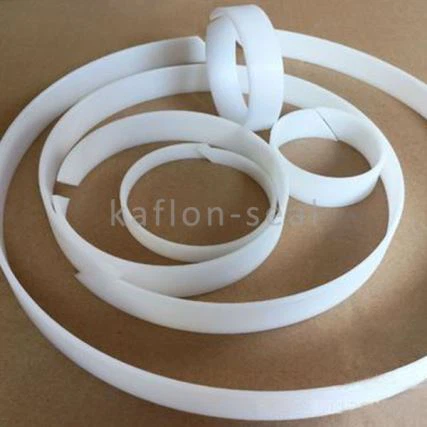
Another option for low - viscosity fluids is our PTFE Lip Seal. The PTFE lip is designed to conform to the shaft surface, providing a reliable seal even with thin fluids. The lip design also helps to reduce friction and wear, ensuring a long service life.
Conclusion
Fluid viscosity is a crucial factor that affects the performance, durability, and sealing effectiveness of rotary shaft seals. Understanding the relationship between fluid viscosity and seal behavior is essential for selecting the right seal for your application. As a trusted supplier of rotary shaft seals, we have the expertise and product range to help you find the optimal solution for your specific needs.
Whether you are dealing with high - viscosity or low - viscosity fluids, our team of experts can provide you with professional advice and support. We are committed to delivering high - quality rotary shaft seals that meet the highest standards of performance and reliability.
If you are interested in learning more about our rotary shaft seals or need assistance in selecting the right product for your application, please do not hesitate to contact us. We look forward to discussing your requirements and working with you to achieve the best sealing solutions.
References
- "Handbook of Seal Technology" by Heinz P. Bloch and Frederick K. Geitner
- "Fluid Mechanics" by Frank M. White
- Technical literature from leading seal manufacturers on the impact of fluid properties on seal performance.