


 Popular Blog Posts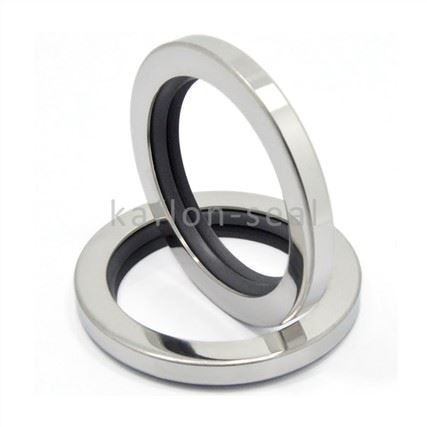



 Blog
BlogIn reciprocating applications, PTFE lip seals play a crucial role in ensuring the efficient and reliable operation of various mechanical systems. These seals are widely used due to their excellent chemical resistance, low friction coefficients, and high-temperature stability. One of the key factors that can significantly affect the performance of PTFE lip seals in reciprocating applications is the stroke length. In this blog post, we, as a PTFE lip seal supplier, will explore how the stroke length impacts PTFE lip seals and what considerations should be taken into account when selecting and using these seals.
I. Understanding Stroke Length in Reciprocating Applications
Before delving into the effects of stroke length on PTFE lip seals, it is essential to understand what stroke length means in reciprocating applications. In a reciprocating system, a component moves back and forth along a linear path. The stroke length is defined as the distance that the moving component travels in one complete cycle, from one extreme position to the other and back again.
For example, in a hydraulic cylinder, the piston moves back and forth inside the cylinder bore. The distance between the fully extended and fully retracted positions of the piston is the stroke length. Stroke length can vary greatly depending on the specific application, ranging from a few millimeters in some precision instruments to several meters in large industrial machinery.
II. Effects of Stroke Length on PTFE Lip Seals
A. Wear and Tear
One of the most significant impacts of stroke length on PTFE lip seals is wear and tear. As the reciprocating component moves back and forth, the PTFE lip of the seal comes into contact with the mating surface. With each stroke, there is friction between the seal lip and the surface, which gradually causes wear on the seal.
A longer stroke length means that the seal lip has to travel a greater distance with each cycle. This increases the total amount of friction and wear over time. As the seal wears, its ability to maintain a proper seal deteriorates, leading to potential leakage. Eventually, if the wear is severe enough, the seal may fail completely, resulting in system downtime and costly repairs.
On the other hand, a shorter stroke length reduces the amount of friction and wear on the seal. The seal lip has to travel a shorter distance with each cycle, which extends the service life of the seal. This is particularly important in applications where the seals are expected to operate for long periods without maintenance.
B. Heat Generation
Another important effect of stroke length on PTFE lip seals is heat generation. Friction between the seal lip and the mating surface generates heat. In reciprocating applications, a longer stroke length increases the amount of friction, which in turn generates more heat.
Excessive heat can have a detrimental effect on PTFE lip seals. PTFE has a relatively high melting point, but prolonged exposure to high temperatures can cause the material to soften and lose its mechanical properties. This can lead to seal deformation, reduced sealing performance, and ultimately, seal failure.
In contrast, a shorter stroke length results in less heat generation. The lower heat levels help to maintain the integrity of the PTFE material, ensuring that the seal can continue to function effectively over an extended period.
C. Lubrication
Lubrication is crucial for the proper functioning of PTFE lip seals in reciprocating applications. A lubricant helps to reduce friction between the seal lip and the mating surface, which in turn reduces wear and heat generation.
The stroke length can affect the lubrication of PTFE lip seals. In applications with a long stroke length, it can be more challenging to maintain a consistent lubricant film between the seal lip and the surface. As the seal lip travels a greater distance, the lubricant may be displaced or squeezed out more easily, leading to inadequate lubrication in some areas.
This can result in increased friction, wear, and heat generation, all of which can have a negative impact on seal performance. In contrast, a shorter stroke length makes it easier to maintain a continuous lubricant film, ensuring optimal lubrication and seal performance.
III. Selecting the Right PTFE Lip Seal Based on Stroke Length
When selecting a PTFE lip seal for a reciprocating application, it is essential to consider the stroke length. Here are some guidelines to help you choose the right seal:

A. Material Selection
For applications with a long stroke length, it is recommended to choose a PTFE lip seal made from a high-performance PTFE material. These materials often have enhanced wear resistance and can withstand higher levels of friction and heat. Some PTFE formulations are specifically designed for high-wear applications and can provide significantly longer service life.
On the other hand, for applications with a short stroke length, a standard PTFE lip seal may be sufficient. The lower levels of wear and heat generation in these applications make it possible to use a less expensive and less specialized seal.
B. Seal Design
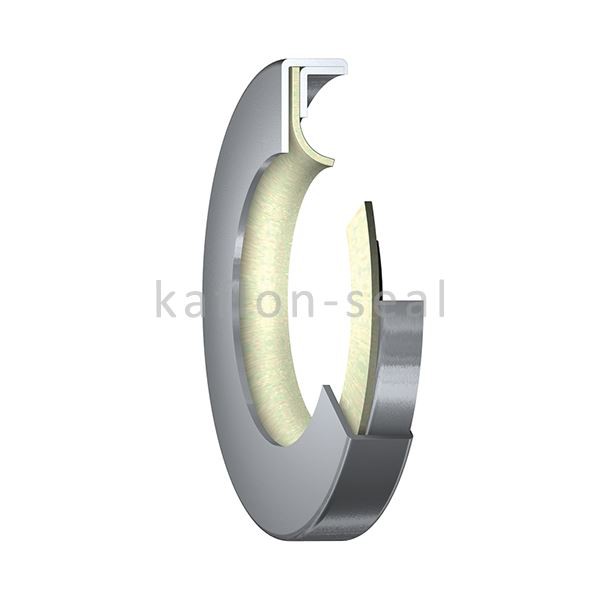
The design of the PTFE lip seal can also be adjusted based on the stroke length. For long-stroke applications, seals with a wider lip or a more robust design may be more suitable. These designs can provide better support and stability, reducing the risk of seal deformation and wear.
In addition, seals with special features such as integrated lubricant reservoirs or self-lubricating properties can be beneficial in long-stroke applications. These features can help to maintain a consistent lubricant film between the seal lip and the mating surface, reducing friction and wear.
IV. Examples of PTFE Lip Seals for Different Stroke Lengths
A. Short Stroke Applications
In applications with a short stroke length, such as precision measuring instruments or small hydraulic cylinders, Double Lips PTFE Oil Seal can be a great choice. These seals offer excellent sealing performance and are designed to operate in low-wear environments. The double lips provide an extra level of protection against leakage, ensuring that the system remains clean and efficient.
B. Medium Stroke Applications
For applications with a medium stroke length, Friction Coefficients PTFE Oil Seal Seal are often used. These seals are engineered to have low friction coefficients, which helps to reduce wear and heat generation. They are suitable for a wide range of applications, including industrial machinery and automotive systems.
C. Long Stroke Applications
In applications with a long stroke length, such as large hydraulic presses or heavy equipment, PTFE Stainless Rotary Shaft Seal are a popular choice. These seals are made from high-quality PTFE and stainless steel components, which provide excellent wear resistance and durability. They can withstand the high levels of friction and heat generated in long-stroke applications, ensuring reliable performance over an extended period.
V. Conclusion and Call to Action
In conclusion, the stroke length has a significant impact on the performance of PTFE lip seals in reciprocating applications. It affects wear and tear, heat generation, and lubrication, all of which can influence the service life and effectiveness of the seals. As a PTFE lip seal supplier, we understand the importance of selecting the right seal based on the specific stroke length and application requirements.
If you are looking for high-quality PTFE lip seals for your reciprocating applications, we are here to help. Our team of experts can provide you with professional advice and guidance to ensure that you choose the best seals for your needs. Contact us today to start a discussion about your project and find the ideal PTFE lip seals for your application.
References
- "Seal Design Handbook" by Klaus Wangen.
- "Materials Science and Engineering" by William D. Callister Jr.
- Technical documents from PTFE seal manufacturers.