


 Popular Blog Posts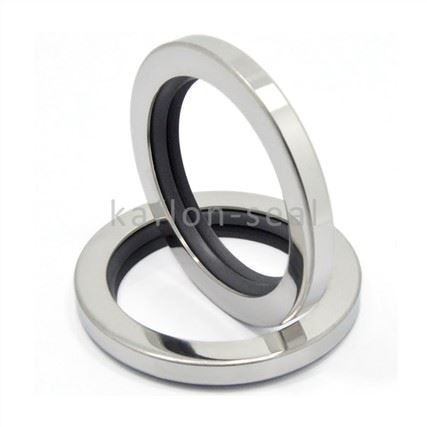



 Blog
BlogHey there! As a supplier of Rotary Shaft Seals, I've seen firsthand how the size of these seals can have a huge impact on their performance. In this blog post, I'm gonna break down the ins and outs of how size matters when it comes to rotary shaft seals.
The Basics of Rotary Shaft Seals
Before we dive into the size aspect, let's quickly go over what rotary shaft seals are. These seals are used to prevent the leakage of fluids, like oil or grease, and to keep contaminants out of machinery. They're found in all sorts of applications, from automotive engines to industrial equipment.
Outer Diameter: Fit and Stability
One of the key size dimensions of a rotary shaft seal is its outer diameter. This is the measurement of the seal's outside edge. A proper fit of the outer diameter is crucial for the seal's performance. If the outer diameter is too small, the seal won't fit snugly in the housing, which can lead to leaks. On the other hand, if it's too large, it might be difficult to install and could cause damage to the seal or the housing.
A well - fitting outer diameter provides stability to the seal. It ensures that the seal stays in place during operation, even when there are vibrations or movement in the machinery. This stability is essential for maintaining a good seal and preventing fluid leakage. For example, in a high - speed rotating shaft, a loose - fitting seal with an incorrect outer diameter could start to wobble, leading to premature wear and tear and eventually seal failure.

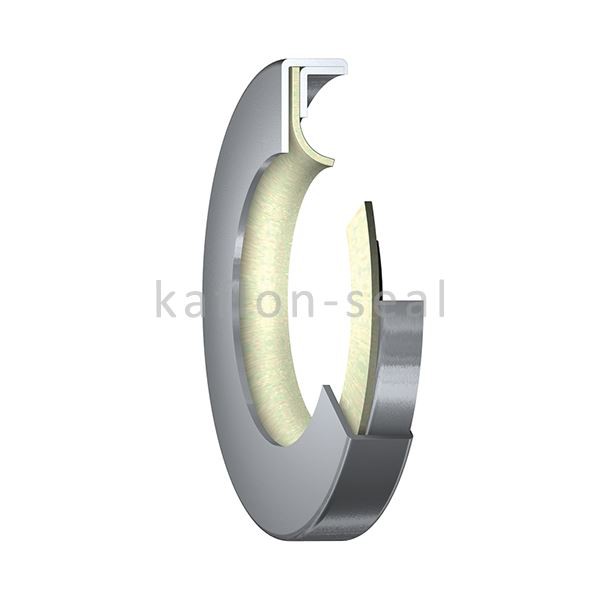
Inner Diameter: Contact and Sealing
The inner diameter of a rotary shaft seal is just as important as the outer diameter. This is the part of the seal that comes into contact with the rotating shaft. If the inner diameter is too large, there won't be enough contact pressure between the seal and the shaft. This can result in fluid leaking past the seal.
Conversely, if the inner diameter is too small, it can create excessive friction between the seal and the shaft. High friction not only wears out the seal faster but also generates heat. This heat can cause the seal material to degrade, reducing its effectiveness. For instance, in a hydraulic pump, an incorrect inner diameter can lead to inefficiencies in the system due to leakage or increased energy consumption because of the extra friction.
Width: Compression and Durability
The width of a rotary shaft seal also plays a significant role in its performance. A wider seal generally provides more surface area for compression. This can improve the sealing ability, especially in applications where there are higher pressures. When the seal is compressed between the housing and the shaft, a wider seal can distribute the pressure more evenly, reducing the risk of leaks.
However, a wider seal may also increase the cost and the space required for installation. So, it's a balance between the performance benefits and the practical considerations. In some compact machinery, a narrower seal might be the better choice, even if it means sacrificing a bit of sealing performance. But with advancements in seal materials, narrower seals can still offer good performance in many cases.
Size and Different Seal Materials
The impact of size can vary depending on the material of the rotary shaft seal. For example, Radial Shaft Seals With PTFE Lips have unique properties. PTFE is known for its low friction coefficient and chemical resistance. When it comes to size, a PTFE - lipped seal might be more forgiving in terms of minor size variations compared to other materials. This is because PTFE can conform to the surface of the shaft better, reducing the risk of leaks even if the fit isn't perfect.
On the other hand, rubber - based seals are more sensitive to size accuracy. Rubber seals rely on a certain amount of compression to create a seal. Incorrect sizing can lead to either insufficient compression, resulting in leaks, or excessive compression, which can cause the rubber to deform and lose its sealing properties.
Applications and Size Requirements
Different applications have different size requirements for rotary shaft seals. In the automotive industry, for example, engine seals need to be precisely sized to meet the high - performance and reliability standards. The seals in an engine need to withstand high temperatures, pressures, and rotational speeds. Any deviation in size can lead to engine oil leaks, which can cause serious damage to the engine.
In Medical Equipment Rotary PTFE POB Oil Seal applications, size is also critical. Medical equipment often operates in a clean environment, and the seals need to prevent the leakage of lubricants or other fluids to avoid contamination. The seals must fit perfectly to ensure the safety and proper functioning of the equipment.
Friction and Size
Friction is a major factor in the performance of rotary shaft seals. As I mentioned earlier, the size of the seal can affect the friction between the seal and the shaft. A well - sized seal will have an optimal amount of contact pressure, which results in a reasonable friction coefficient.
You can learn more about the friction coefficients of PTFE oil seals at Friction Coefficients PTFE Oil Seal Seal. Understanding the relationship between size and friction is crucial for minimizing energy losses in machinery. High friction not only wastes energy but also shortens the lifespan of the seal and the shaft.
Conclusion and Call to Action
As you can see, the size of a rotary shaft seal has a profound impact on its performance. Whether it's the outer diameter, inner diameter, or width, each dimension needs to be carefully considered to ensure the seal works effectively.
If you're in the market for rotary shaft seals, it's important to get the sizing right. We, as a supplier, have the expertise and experience to help you select the perfect seals for your specific applications. Don't hesitate to reach out to us for a consultation. We can guide you through the process of choosing the right size and material for your rotary shaft seals. Whether you're in the automotive, industrial, or medical industry, we've got the solutions you need.
References
- "Handbook of Sealing Technology"
- "Seals and Sealing Handbook"