


 Popular Blog Posts


 Blog
BlogAlright, folks! As a supplier of hydraulic piston seals, I've seen firsthand how the dynamic friction coefficient can have a huge impact on the performance of these crucial components. So, today, I'm gonna dive deep into this topic and share some insights that I think will be super helpful for anyone dealing with hydraulic systems.
Let's start with the basics. What exactly is the dynamic friction coefficient? Well, it's a measure of the resistance between two surfaces in contact when they're in motion relative to each other. In the case of a hydraulic piston seal, this means the friction between the seal and the piston or the cylinder wall as the piston moves back and forth.
Now, you might be wondering why this is such a big deal. Here's the thing: the dynamic friction coefficient affects pretty much every aspect of a hydraulic piston seal's performance. Let's break it down.
Wear and Tear
One of the most obvious impacts of the dynamic friction coefficient is on wear and tear. Higher friction means more rubbing, which can cause the seal material to wear down faster. Over time, this can lead to leaks, reduced efficiency, and even complete failure of the hydraulic system. You don't want that, right?
A seal with a high dynamic friction coefficient will generate more heat due to the increased rubbing. This heat can cause the seal material to degrade, becoming brittle or losing its elasticity. When this happens, the seal won't be able to form a proper seal, and hydraulic fluid can start to leak out. And if you've ever dealt with a hydraulic fluid leak, you know it's a real headache – it can contaminate the environment, cause damage to other components, and result in costly downtime for repairs.
On the other hand, a seal with a low dynamic friction coefficient will experience less wear and tear. It'll last longer, which means fewer replacements and lower maintenance costs. So, choosing a seal with the right friction coefficient is crucial for the long - term reliability of your hydraulic system.
Energy Efficiency
The dynamic friction coefficient also has a direct impact on energy efficiency. When the friction between the seal and the piston is high, the hydraulic system has to work harder to move the piston. This means more energy is consumed, which can translate into higher operating costs.
Think about it this way: if you're trying to push a heavy box across a rough floor, it takes a lot more energy than pushing it across a smooth floor. The same principle applies to hydraulic systems. A seal with a lower dynamic friction coefficient allows the piston to move more smoothly, reducing the amount of energy needed to operate the system.
For industrial applications where hydraulic systems run continuously, even a small improvement in energy efficiency can result in significant cost savings over time. So, by choosing a hydraulic piston seal with an optimal dynamic friction coefficient, you're not only improving the performance of your system but also saving money on energy bills.
Responsiveness and Precision
In many hydraulic applications, responsiveness and precision are critical. For example, in a manufacturing process where a hydraulic press needs to apply a precise amount of force, any delay or imprecision can lead to defective products.
A high dynamic friction coefficient can cause a delay in the movement of the piston, reducing the responsiveness of the hydraulic system. This is because the system has to overcome the additional friction before the piston starts to move. As a result, the system might not be able to react quickly enough to changes in load or pressure, leading to inaccurate operation.
In contrast, a seal with a low dynamic friction coefficient allows the piston to move more quickly and precisely in response to changes in the hydraulic pressure. This improves the overall performance of the system, making it more reliable and accurate.
How to Choose the Right Dynamic Friction Coefficient
So, how do you go about choosing a hydraulic piston seal with the right dynamic friction coefficient? Well, it depends on several factors.
First, consider the application. If the system requires high - speed operation and precision, you'll want a seal with a low dynamic friction coefficient. On the other hand, if the system operates at low speeds and can tolerate a bit more wear, a seal with a slightly higher friction coefficient might be acceptable.
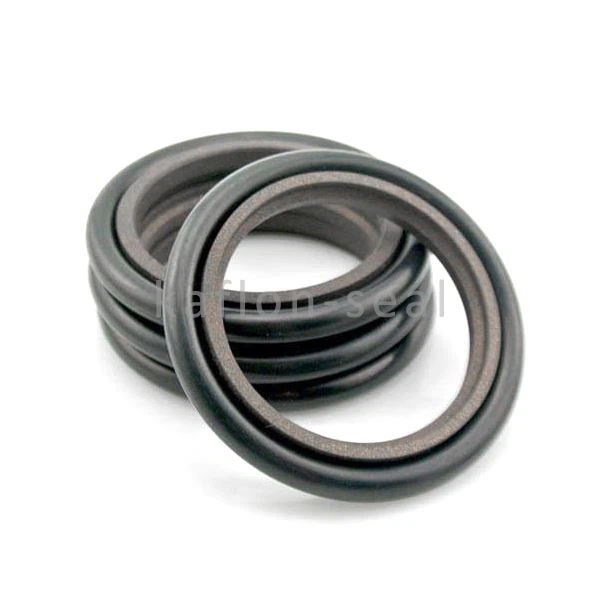

Second, think about the operating conditions. Factors like temperature, pressure, and the type of hydraulic fluid used can all affect the performance of the seal. For example, in high - temperature applications, the seal material might become softer, increasing the friction. So, you need to choose a seal that can withstand the specific operating conditions and maintain an appropriate friction coefficient.
At our company, we offer a wide range of hydraulic piston seals with different dynamic friction coefficients to suit various applications. For instance, our POM Guide Ring For Hydraulic is designed to provide excellent guidance and low friction, ensuring smooth operation of the piston. Our Hydraulic Seals For Single And Double Acting are engineered to meet the specific requirements of single - and double - acting hydraulic cylinders, with optimized friction coefficients for maximum efficiency. And if you're looking for a rod sealing solution, our Rod Sealing Glyd Ring offers reliable sealing with low friction.
Conclusion
In conclusion, the dynamic friction coefficient of a hydraulic piston seal plays a crucial role in its performance. It affects wear and tear, energy efficiency, responsiveness, and precision of the hydraulic system. By understanding the importance of the dynamic friction coefficient and choosing the right seal for your application, you can improve the reliability, efficiency, and longevity of your hydraulic system.
If you're in the market for high - quality hydraulic piston seals or have any questions about the dynamic friction coefficient and its impact on performance, don't hesitate to reach out. We'd be more than happy to help you find the perfect solution for your needs. Let's work together to ensure your hydraulic systems run smoothly and efficiently!
References
- "Hydraulic Sealing Technology" by O. W. Boston
- "Fluid Power Technology" by Anthony Esposito