


 Popular Blog Posts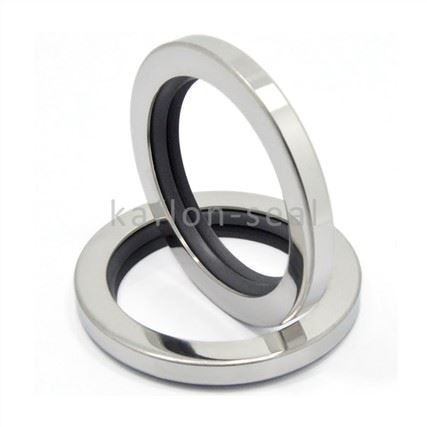



 Blog
BlogThe cross-sectional shape of PTFE (Polytetrafluoroethylene) lip seals is a critical factor that significantly influences their performance, durability, and suitability for various applications. As a leading PTFE lip seal supplier, I have witnessed firsthand how different cross-sectional shapes can make or break the effectiveness of these seals in diverse industrial settings. In this blog, we will delve into the importance of the cross-sectional shape of PTFE lip seals and explore how it impacts their functionality.
Understanding PTFE Lip Seals
Before we discuss the cross-sectional shape, it's essential to understand what PTFE lip seals are and why they are so popular in the industry. PTFE is a synthetic fluoropolymer known for its exceptional chemical resistance, low friction coefficient, and high temperature tolerance. These properties make PTFE an ideal material for sealing applications, especially in harsh environments where traditional rubber seals may fail.
PTFE lip seals are designed to prevent the leakage of fluids (such as oil, grease, or water) and the ingress of contaminants (such as dust, dirt, or debris) in rotating or reciprocating machinery. They consist of a PTFE sealing lip that makes contact with a shaft or a housing surface, creating a dynamic seal. The performance of a PTFE lip seal depends on several factors, including the material properties of the PTFE, the design of the sealing lip, and the cross-sectional shape of the seal.
The Significance of Cross-Sectional Shape
The cross-sectional shape of a PTFE lip seal plays a crucial role in determining its sealing performance, durability, and compatibility with different applications. Here are some key aspects where the cross-sectional shape matters:
Sealing Performance
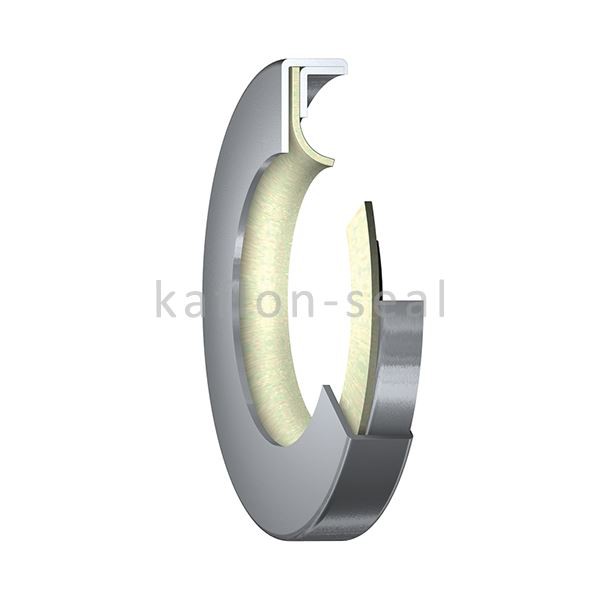
The cross-sectional shape directly affects the contact pressure distribution between the sealing lip and the mating surface. A well-designed cross-sectional shape can ensure uniform contact pressure along the entire length of the sealing lip, which is essential for preventing leakage. For example, a seal with a properly contoured cross-section can conform to the surface irregularities of the shaft or housing, creating a tight seal even under dynamic conditions.
Different cross-sectional shapes can also influence the ability of the seal to accommodate shaft misalignment, eccentricity, and radial movements. A seal with a flexible cross-sectional shape can better adapt to these variations without compromising the sealing performance. This is particularly important in applications where the shaft is subject to vibration or misalignment, such as in automotive engines or industrial pumps.
Durability
The cross-sectional shape can impact the wear resistance and fatigue life of the PTFE lip seal. A seal with a robust cross-sectional design can withstand the mechanical stresses and frictional forces generated during operation, reducing the risk of premature wear and failure. For instance, a seal with a thickened cross-section in critical areas can provide additional strength and support, extending the service life of the seal.
Moreover, the cross-sectional shape can affect the heat dissipation properties of the seal. A seal with a large surface area or a well-designed cooling channel in its cross-section can effectively dissipate the heat generated by friction, preventing overheating and thermal degradation of the PTFE material. This is especially important in high-speed or high-temperature applications, where excessive heat can significantly reduce the performance and durability of the seal.
Compatibility with Applications
The cross-sectional shape of a PTFE lip seal must be carefully selected to ensure compatibility with the specific application requirements. Different applications may have different operating conditions, such as pressure, temperature, speed, and fluid type, which can influence the choice of cross-sectional shape.
For example, in low-pressure applications, a seal with a simple and lightweight cross-sectional shape may be sufficient to provide an effective seal. On the other hand, in high-pressure applications, a seal with a more complex and robust cross-sectional design may be required to withstand the pressure and prevent leakage. Similarly, in applications where the seal is exposed to aggressive chemicals or high temperatures, a seal with a cross-sectional shape that maximizes chemical resistance and thermal stability may be necessary.
Common Cross-Sectional Shapes of PTFE Lip Seals
There are several common cross-sectional shapes of PTFE lip seals, each with its own advantages and disadvantages. Here are some of the most widely used cross-sectional shapes:
U-Shape
The U-shaped cross-section is one of the most popular designs for PTFE lip seals. It consists of a U-shaped body with a sealing lip on one or both sides. The U-shape provides flexibility and allows the seal to adapt to shaft misalignment and radial movements. It also offers good sealing performance and is relatively easy to install.
U-shaped PTFE lip seals are commonly used in applications where the shaft rotates at moderate speeds and the pressure is relatively low. They are suitable for a wide range of fluids, including oil, water, and some chemicals. You can find more information about U-shaped PTFE lip seals in our Radial Shaft Seals With PTFE Lips product page.
V-Shape
The V-shaped cross-section is another common design for PTFE lip seals. It features a V-shaped body with a sealing lip at the apex of the V. The V-shape provides a high contact pressure at the sealing lip, which is ideal for preventing leakage in high-pressure applications. It also offers good resistance to shaft misalignment and radial movements.
V-shaped PTFE lip seals are often used in applications where the shaft rotates at high speeds and the pressure is relatively high. They are commonly used in hydraulic systems, compressors, and other high-pressure machinery. Our Screw Comprosser PTFE Oil Seal product page provides more details about V-shaped PTFE lip seals suitable for screw compressors.
L-Shape
The L-shaped cross-section is a simple and cost-effective design for PTFE lip seals. It consists of an L-shaped body with a sealing lip on one side. The L-shape provides a good balance between sealing performance and flexibility. It is suitable for applications where the shaft rotates at low to moderate speeds and the pressure is relatively low.
L-shaped PTFE lip seals are commonly used in applications such as electric motors, gearboxes, and household appliances. They are easy to install and can provide reliable sealing performance in a variety of environments.
Rectangular Shape
The rectangular cross-section is a more complex design for PTFE lip seals. It offers a large contact area between the sealing lip and the mating surface, which can provide excellent sealing performance and wear resistance. The rectangular shape also allows for the incorporation of additional features, such as grooves or channels, to improve the sealing performance or heat dissipation.
Rectangular PTFE lip seals are often used in high-performance applications where the sealing requirements are very strict, such as in aerospace, automotive, and medical equipment. Our Friction Coefficients PTFE Oil Seal Seal product page provides more information about rectangular PTFE lip seals with specific friction coefficient requirements.
Choosing the Right Cross-Sectional Shape
Selecting the right cross-sectional shape for a PTFE lip seal is a critical decision that requires careful consideration of several factors. Here are some guidelines to help you choose the most suitable cross-sectional shape for your application:
Operating Conditions
Consider the operating conditions of your application, such as pressure, temperature, speed, and fluid type. High-pressure applications may require a seal with a more robust cross-sectional shape, such as a V-shaped or rectangular seal. High-temperature applications may require a seal with good thermal stability and heat dissipation properties. Applications with high-speed rotation may require a seal with low friction and good wear resistance.
Shaft and Housing Design
Take into account the design of the shaft and housing, including the surface finish, diameter, and tolerance. A seal with a flexible cross-sectional shape may be more suitable for shafts with irregular surfaces or misalignment. The cross-sectional shape should also be compatible with the housing design to ensure proper installation and sealing.
Sealing Requirements
Determine the specific sealing requirements of your application, such as the maximum allowable leakage rate and the level of contamination protection. A seal with a well-designed cross-sectional shape can provide better sealing performance and contamination resistance.

Cost and Availability
Consider the cost and availability of the PTFE lip seal. Different cross-sectional shapes may have different manufacturing costs and lead times. It's important to balance the performance requirements with the cost and availability to make an informed decision.
Conclusion
The cross-sectional shape of PTFE lip seals is a critical factor that significantly impacts their performance, durability, and suitability for various applications. As a PTFE lip seal supplier, we understand the importance of choosing the right cross-sectional shape to meet the specific needs of our customers. By considering the operating conditions, shaft and housing design, sealing requirements, and cost and availability, you can select the most appropriate cross-sectional shape for your application.
If you have any questions or need further assistance in choosing the right PTFE lip seal, please feel free to contact us. Our team of experts is available to provide you with professional advice and support. We look forward to working with you to find the perfect sealing solution for your needs.
References
- "Handbook of Seal Technology" by John H. Bickford
- "Sealing Technology for Rotating Equipment" by Robert D. Bush