


 Popular Blog Posts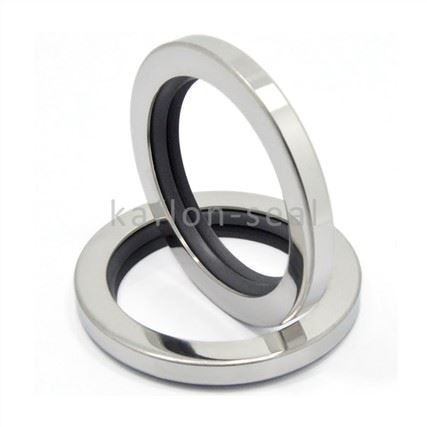


 Blog
BlogHey there! As a supplier of hydraulic seals, I've seen firsthand how coatings can have a huge impact on the performance of these essential components. In this blog, I'm gonna break down how coatings affect hydraulic seals and why it matters for your applications.
Let's start with the basics. Hydraulic seals are used to prevent fluid leakage in hydraulic systems, which are found in all sorts of machinery, from construction equipment to industrial manufacturing plants. These seals need to withstand high pressures, extreme temperatures, and constant friction. That's where coatings come in.
Reducing Friction
One of the primary ways coatings affect hydraulic seals is by reducing friction. When a seal rubs against a surface, like a piston or a cylinder wall, it creates heat and wear. Over time, this can lead to seal failure and costly downtime. A good coating can act as a lubricant, reducing the amount of friction between the seal and the mating surface.
For example, a PTFE (polytetrafluoroethylene) coating is known for its low friction properties. When applied to a hydraulic seal, it can help the seal move more smoothly, reducing wear and tear. This not only extends the life of the seal but also improves the overall efficiency of the hydraulic system. Less friction means less energy is wasted, which can lead to cost savings in the long run.
Check out our Long Life Hydraulic Glyd Ring Seal. This seal is designed with advanced coatings to minimize friction and provide long-lasting performance.
Improving Wear Resistance
In addition to reducing friction, coatings can also improve the wear resistance of hydraulic seals. Hydraulic systems often operate in harsh environments, where seals are exposed to abrasive particles, chemicals, and high pressures. A coating can act as a protective barrier, shielding the seal from these damaging elements.
Ceramic coatings, for instance, are extremely hard and can resist wear and corrosion. When applied to a hydraulic seal, they can significantly increase the seal's lifespan. This is especially important in applications where the seal is subject to high levels of stress, such as in heavy machinery or high-pressure hydraulic systems.


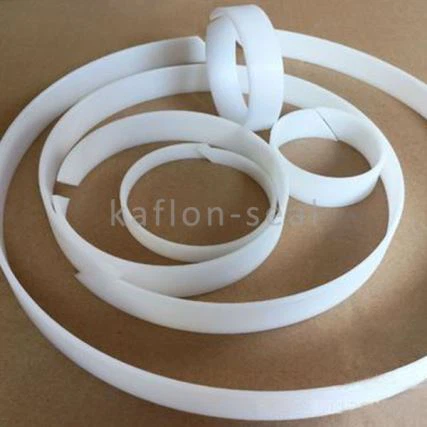
Our Guiding Piston POM Guide Ring is a great example of a seal with a wear-resistant coating. The coating helps the guide ring withstand the rigors of continuous operation, ensuring reliable performance over time.
Enhancing Chemical Resistance
Another important aspect of hydraulic seal performance is chemical resistance. Hydraulic fluids can contain a variety of chemicals, and seals need to be able to withstand exposure to these substances without deteriorating. A coating can improve the seal's resistance to chemicals, preventing swelling, cracking, or other forms of damage.
Fluoropolymer coatings are known for their excellent chemical resistance. They can protect the seal from a wide range of chemicals, including oils, fuels, and solvents. This makes them ideal for use in hydraulic systems that operate in chemically aggressive environments.
Take a look at our TPU Hydraulic Seal PU Oring. The special coating on this O-ring provides enhanced chemical resistance, making it suitable for a variety of hydraulic applications.
Maintaining Seal Integrity
Coatings can also help maintain the integrity of the hydraulic seal. Over time, seals can deform or lose their shape due to pressure, temperature changes, or other factors. A coating can help the seal retain its original shape and dimensions, ensuring a proper seal.
Elastomeric coatings, for example, can provide flexibility and resilience to the seal. They can help the seal adapt to changes in pressure and temperature, while still maintaining a tight seal. This is crucial for preventing fluid leakage, which can lead to system failure and safety hazards.
Factors to Consider When Choosing a Coating
When it comes to choosing a coating for your hydraulic seals, there are several factors to consider. First, you need to think about the operating conditions of your hydraulic system. What kind of pressures, temperatures, and chemicals will the seal be exposed to? This will help you determine the type of coating that will provide the best protection.
You also need to consider the compatibility of the coating with the seal material. Some coatings may react with certain seal materials, causing damage or reducing performance. It's important to choose a coating that is compatible with the seal material to ensure optimal performance.
Cost is another factor to consider. While coatings can provide many benefits, they can also add to the cost of the seal. You need to weigh the benefits of the coating against the additional cost to determine if it's worth it for your application.
Conclusion
As you can see, coatings play a crucial role in the performance of hydraulic seals. They can reduce friction, improve wear resistance, enhance chemical resistance, and maintain seal integrity. By choosing the right coating for your hydraulic seals, you can extend their lifespan, improve the efficiency of your hydraulic system, and reduce the risk of system failure.
If you're in the market for high-quality hydraulic seals with advanced coatings, we're here to help. We offer a wide range of hydraulic seals, including the Long Life Hydraulic Glyd Ring Seal, Guiding Piston POM Guide Ring, and TPU Hydraulic Seal PU Oring. Our team of experts can help you choose the right seal and coating for your specific application.
Don't hesitate to reach out to us if you have any questions or if you're interested in discussing your procurement needs. We're always happy to help you find the best solutions for your hydraulic systems.
References
- "Handbook of Hydraulic Seals" by John W. S. Hearn
- "Sealing Technology for Fluid Power Systems" by Peter A. Radcliffe