


 Popular Blog Posts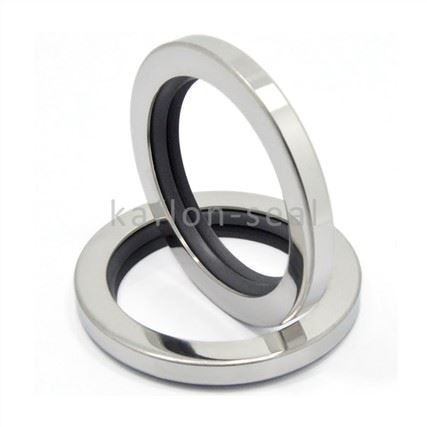



 Blog
BlogPTFE lip seals are essential components in a wide range of industrial applications, offering reliable sealing solutions to prevent leakage and ensure the efficient operation of machinery. As a leading PTFE lip seal supplier, we understand the importance of these seals in maintaining the integrity of various systems. In this blog post, we will delve into the mechanisms by which PTFE lip seals prevent leakage, exploring their unique properties and design features.
Understanding PTFE and Its Properties
Polytetrafluoroethylene (PTFE), commonly known as Teflon, is a synthetic fluoropolymer with exceptional chemical resistance, low friction coefficient, and high temperature stability. These properties make PTFE an ideal material for sealing applications, especially in environments where harsh chemicals, high temperatures, or extreme pressures are present.
One of the key advantages of PTFE is its non - stick surface, which reduces friction between the seal and the shaft. This not only minimizes wear and tear on both the seal and the shaft but also helps to maintain a tight seal over an extended period. Additionally, PTFE has excellent chemical inertness, meaning it can withstand exposure to a wide variety of chemicals without deteriorating or losing its sealing properties.
The Design of PTFE Lip Seals
PTFE lip seals typically consist of a PTFE sealing lip and a metal or elastomeric casing. The sealing lip is the part of the seal that comes into contact with the shaft, creating a barrier to prevent the leakage of fluids or gases. The design of the lip is crucial for its sealing performance.
Lip Geometry
The shape of the PTFE lip plays a significant role in preventing leakage. Most PTFE lip seals have a hydrodynamic design, which means that as the shaft rotates, the lip generates a pumping action that helps to keep the fluid on the correct side of the seal. This pumping action is achieved through the carefully engineered shape of the lip, which creates a pressure differential that forces the fluid back into the system.
For example, some PTFE lip seals have a spiral or helical pattern on the lip surface. As the shaft rotates, this pattern creates a centrifugal force that pushes the fluid away from the seal interface, reducing the risk of leakage. Other lip designs may incorporate a series of ridges or grooves that help to guide the fluid and prevent it from bypassing the seal.
Interference Fit
Another important aspect of PTFE lip seal design is the interference fit between the lip and the shaft. The lip is designed to have a slight interference with the shaft, which means that it exerts a certain amount of pressure on the shaft surface. This pressure creates a tight seal that prevents the fluid from leaking past the lip.
The amount of interference is carefully calculated based on factors such as the shaft diameter, the operating conditions, and the type of fluid being sealed. Too little interference may result in a leaky seal, while too much interference can cause excessive friction and wear on the shaft and the seal.
Sealing Mechanisms
Contact Sealing
The primary sealing mechanism of PTFE lip seals is contact sealing. When the seal is installed on the shaft, the PTFE lip comes into direct contact with the shaft surface, creating a physical barrier that prevents the leakage of fluids or gases. The low friction coefficient of PTFE allows the lip to slide smoothly over the shaft, minimizing wear and maintaining a tight seal even during high - speed rotation.
Secondary Sealing Mechanisms
In addition to contact sealing, PTFE lip seals may also employ secondary sealing mechanisms to enhance their performance. For example, some seals have a dust lip or a wiper lip that is designed to prevent contaminants from entering the system. These additional lips help to protect the primary sealing lip and extend the life of the seal.
Another secondary sealing mechanism is the use of an elastomeric O - ring or gasket in conjunction with the PTFE lip. The O - ring provides a static seal between the seal housing and the equipment, preventing leakage around the perimeter of the seal.
Applications of PTFE Lip Seals
PTFE lip seals are used in a wide variety of applications across different industries. Some common applications include:


Automotive Industry
In the automotive industry, PTFE lip seals are used in engines, transmissions, and differentials to prevent the leakage of oil and other fluids. For example, they are used in the crankshaft seals, camshaft seals, and axle seals to ensure the proper functioning of these components.
Industrial Machinery
In industrial machinery, PTFE lip seals are used in pumps, compressors, and motors to prevent the leakage of lubricants, coolants, and other fluids. They are also used in food processing equipment, pharmaceutical machinery, and chemical processing plants, where their chemical resistance and non - stick properties are highly valued.
Aerospace Industry
The aerospace industry also relies on PTFE lip seals for critical applications such as aircraft engines, hydraulic systems, and fuel systems. In these applications, the seals must be able to withstand extreme temperatures, pressures, and environmental conditions while maintaining a high level of sealing performance.
Our Product Range
As a PTFE lip seal supplier, we offer a wide range of products to meet the diverse needs of our customers. Our product range includes:
- Screw Comprosser PTFE Oil Seal: These seals are specifically designed for screw compressors, providing reliable sealing solutions in high - pressure and high - temperature environments.
- Rotary PTFE Lips Stainless Oil Seal: Ideal for applications where corrosion resistance is required, these seals feature a stainless steel casing and PTFE lips for long - lasting performance.
- Rotating Motions PTFE Shaft Seals: These seals are designed to handle high - speed rotating motions, providing excellent sealing performance even under challenging conditions.
Contact Us for Procurement
If you are in need of high - quality PTFE lip seals for your application, we invite you to contact us for procurement. Our team of experts can help you select the right seal for your specific requirements and provide you with detailed technical support. We are committed to providing our customers with the best products and services, ensuring that your sealing needs are met effectively and efficiently.
References
- "Handbook of Seal Technology" by John H. Bickford
- "Sealing Technology: Principles and Practice" by David A. Dowson
- "PTFE Materials and Applications" by John Scheirs