


 Popular Blog Posts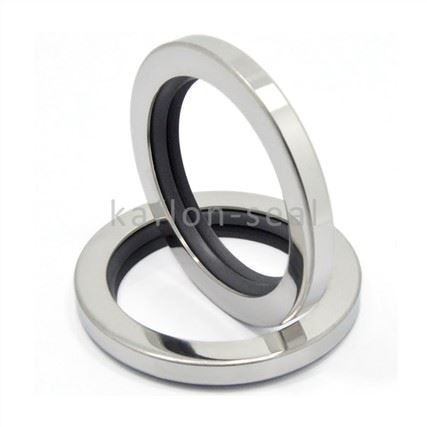


 Blog
BlogPTFE lip seals are widely recognized for their exceptional performance in various sealing applications. As a PTFE lip seal supplier, I have witnessed firsthand how these seals adapt to different sealing media, offering reliable and efficient solutions across diverse industries. In this blog, we will explore the unique properties of PTFE lip seals and how they interact with different sealing media to ensure optimal sealing performance.
Understanding PTFE Lip Seals
PTFE, or polytetrafluoroethylene, is a synthetic fluoropolymer known for its outstanding chemical resistance, low friction coefficient, and high temperature stability. These properties make PTFE an ideal material for lip seals, which are designed to prevent the leakage of fluids or gases between two moving or stationary components.
PTFE lip seals typically consist of a PTFE sealing lip and a supporting structure, such as a metal or elastomer case. The sealing lip is in contact with the shaft or housing surface, creating a dynamic seal that prevents the escape of the sealing media. The supporting structure provides mechanical support and helps to maintain the shape and position of the sealing lip.
Adaptability to Different Sealing Media
One of the key advantages of PTFE lip seals is their ability to adapt to a wide range of sealing media. Whether it's oil, water, chemicals, or gases, PTFE lip seals can provide effective sealing solutions. Here's how they achieve this adaptability:
Chemical Resistance
PTFE is highly resistant to a variety of chemicals, including acids, bases, solvents, and fuels. This chemical resistance allows PTFE lip seals to withstand exposure to harsh chemicals without degradation or loss of sealing performance. For example, in chemical processing plants, PTFE lip seals are used to seal pumps, valves, and other equipment that handle corrosive chemicals. The chemical resistance of PTFE ensures that the seals remain intact and effective, preventing leaks and protecting the equipment from damage.
Low Friction Coefficient
PTFE has a very low friction coefficient, which means that it slides easily over surfaces. This property is particularly beneficial in applications where there is relative motion between the sealing lip and the shaft or housing. The low friction coefficient reduces wear and tear on the sealing lip, extending its service life and minimizing the power consumption of the equipment. For instance, in automotive engines, PTFE lip seals are used to seal the crankshaft and camshaft, where they reduce friction and improve fuel efficiency.
Temperature Stability
PTFE can withstand a wide range of temperatures, from extremely low to high. This temperature stability allows PTFE lip seals to perform effectively in both cold and hot environments. In cryogenic applications, such as liquefied natural gas (LNG) storage and transportation, PTFE lip seals are used to seal valves and pumps that operate at very low temperatures. In high-temperature applications, such as industrial ovens and furnaces, PTFE lip seals can withstand the heat without losing their sealing properties.
Compatibility with Different Fluids
PTFE lip seals are compatible with a variety of fluids, including oils, greases, water, and hydraulic fluids. This compatibility ensures that the seals can be used in different types of equipment and applications. For example, in hydraulic systems, PTFE lip seals are used to seal cylinders, valves, and pumps, where they prevent the leakage of hydraulic fluid and maintain the system's efficiency.
Applications in Different Industries
The adaptability of PTFE lip seals to different sealing media makes them suitable for a wide range of industries. Here are some examples of how PTFE lip seals are used in various sectors:
Automotive Industry
In the automotive industry, PTFE lip seals are used in engines, transmissions, axles, and other components to prevent the leakage of oil, coolant, and other fluids. They help to improve the performance and reliability of the vehicles by reducing friction, minimizing wear, and preventing contamination. For example, Rotating Motions PTFE Shaft Seals are commonly used in automotive engines to seal the crankshaft and camshaft, where they provide a reliable and long-lasting seal.
Aerospace Industry
The aerospace industry demands high-performance sealing solutions that can withstand extreme conditions. PTFE lip seals are used in aircraft engines, hydraulic systems, and fuel systems to prevent the leakage of fuel, oil, and hydraulic fluid. Their chemical resistance, temperature stability, and low friction coefficient make them ideal for aerospace applications. For instance, Radial Shaft Seals With PTFE Lips are used in aircraft engines to seal the shafts and prevent the leakage of lubricating oil.
Medical Industry
In the medical industry, PTFE lip seals are used in medical equipment, such as pumps, valves, and respirators, to prevent the leakage of fluids and gases. Their biocompatibility and chemical resistance make them suitable for use in medical applications where hygiene and safety are critical. For example, Medical Equipment Rotary PTFE POB Oil Seal are used in medical pumps to seal the shafts and prevent the leakage of blood, drugs, and other fluids.


Food and Beverage Industry
The food and beverage industry requires sealing solutions that are safe, hygienic, and compliant with food safety regulations. PTFE lip seals are used in food processing equipment, such as pumps, valves, and mixers, to prevent the leakage of food products and ensure the quality and safety of the food. Their chemical resistance and non-toxicity make them suitable for use in food and beverage applications.
Conclusion
PTFE lip seals are highly adaptable to different sealing media, thanks to their chemical resistance, low friction coefficient, temperature stability, and compatibility with different fluids. These properties make them suitable for a wide range of industries, including automotive, aerospace, medical, and food and beverage. As a PTFE lip seal supplier, we are committed to providing high-quality seals that meet the specific needs of our customers. If you are looking for reliable and efficient sealing solutions for your equipment, please contact us to discuss your requirements. We look forward to working with you to find the best PTFE lip seal for your application.
References
- "PTFE Seals: Properties and Applications" - Journal of Sealing Technology
- "Sealing Solutions for the Automotive Industry" - Automotive Engineering Magazine
- "Aerospace Sealing Technology: Challenges and Solutions" - Aerospace Technology Journal
- "Medical Sealing Solutions: Ensuring Safety and Hygiene" - Medical Device Technology Magazine
- "Food and Beverage Sealing: Meeting Regulatory Requirements" - Food Processing Magazine