


 Popular Blog Posts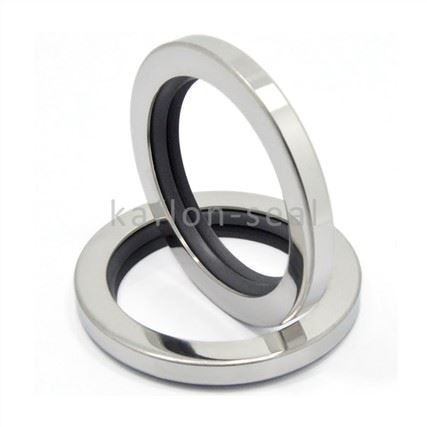


 Blog
BlogHey there! As a supplier of hydraulic piston seals, I've seen firsthand how pressure can have a huge impact on the performance of these crucial components. In this blog, I'm gonna break down the relationship between pressure and the performance of hydraulic piston seals, so you can make informed decisions when it comes to your hydraulic systems.
First off, let's talk about what hydraulic piston seals do. These seals are used to prevent fluid leakage between the piston and the cylinder wall in a hydraulic system. They play a vital role in maintaining the efficiency and reliability of the system, as any leakage can lead to a loss of pressure, reduced performance, and even damage to other components.
Now, pressure is one of the most important factors that affects the performance of hydraulic piston seals. When pressure is applied to a hydraulic system, it creates a force that acts on the seals. This force can cause the seals to deform, which can lead to leakage if the deformation is too great.
One of the main ways that pressure affects the performance of hydraulic piston seals is through extrusion. Extrusion occurs when the seal material is forced into the clearance between the piston and the cylinder wall due to high pressure. This can cause the seal to wear out quickly, leading to leakage and reduced performance.
To prevent extrusion, it's important to choose the right seal material and design for the specific pressure requirements of your hydraulic system. For example, seals made from materials like Resistant To Mineral Hydraulic Oil Glyd Ring are designed to be more resistant to extrusion and can withstand higher pressures.
Another way that pressure affects the performance of hydraulic piston seals is through friction. When the seal is in contact with the cylinder wall, there is friction between the two surfaces. This friction can cause the seal to heat up, which can lead to a reduction in its physical properties and an increase in wear.
To reduce friction, it's important to choose a seal material that has a low coefficient of friction. For example, Rod Sealing PU Ring Seal are known for their low friction properties, which can help to reduce wear and extend the life of the seal.
In addition to extrusion and friction, pressure can also affect the performance of hydraulic piston seals through compression set. Compression set occurs when the seal material loses its ability to return to its original shape after being compressed. This can cause the seal to lose its sealing ability, leading to leakage.
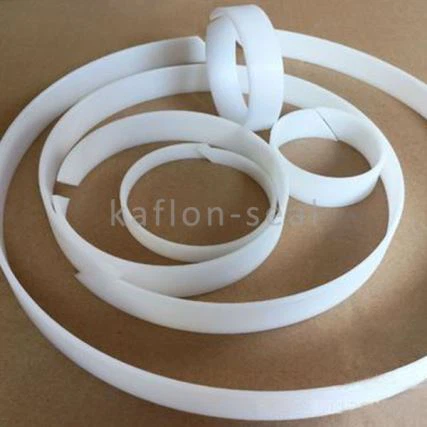
To prevent compression set, it's important to choose a seal material that has good compression set resistance. For example, Hydraulic PTFE Guide Ring Seal are known for their excellent compression set resistance, which can help to maintain the sealing performance of the seal over time.
So, how do you know if your hydraulic piston seals are being affected by pressure? One of the most common signs of pressure-related problems is leakage. If you notice any fluid leakage around the piston or cylinder, it could be a sign that the seals are not performing properly.
Another sign of pressure-related problems is increased wear on the seals. If you notice that the seals are wearing out quickly or that they have a lot of damage, it could be a sign that they are being subjected to too much pressure.
If you suspect that your hydraulic piston seals are being affected by pressure, it's important to take action as soon as possible. This could involve replacing the seals with ones that are designed to withstand higher pressures, or it could involve making adjustments to the hydraulic system to reduce the pressure.
As a supplier of hydraulic piston seals, I understand the importance of choosing the right seals for your specific application. That's why I offer a wide range of seals that are designed to meet the needs of different hydraulic systems. Whether you need seals for high-pressure applications or seals that are resistant to extrusion and friction, I've got you covered.


If you're interested in learning more about how pressure affects the performance of hydraulic piston seals or if you're looking for the right seals for your hydraulic system, don't hesitate to get in touch. I'd be happy to help you find the perfect solution for your needs.
In conclusion, pressure is a critical factor that affects the performance of hydraulic piston seals. By understanding how pressure can impact the seals and by choosing the right seal material and design, you can ensure that your hydraulic system operates efficiently and reliably. So, if you're in the market for hydraulic piston seals, make sure to do your research and choose a supplier that you can trust.
References
- "Hydraulic Seals Handbook" by John R. Neale
- "Sealing Technology" by Peter J. Martyn