


 Popular Blog Posts


 Blog
BlogPolyurethanes seals are widely used in various industries due to their excellent mechanical properties, chemical resistance, and durability. One of the critical aspects of their performance is their ability to resist biological agents. As a leading polyurethanes seal supplier, we understand the importance of this characteristic and have conducted extensive research to develop seals that can withstand the challenges posed by biological environments.
Understanding Biological Agents
Biological agents can be broadly classified into microorganisms such as bacteria, fungi, and viruses, as well as biological fluids and tissues. These agents can cause degradation, fouling, and corrosion of materials, leading to reduced performance and shortened service life of seals.
Bacteria are ubiquitous in nature and can thrive in a wide range of environments. Some bacteria produce enzymes that can break down polymers, including polyurethanes. For example, certain strains of Pseudomonas aeruginosa are known to secrete proteases and lipases that can attack the urethane bonds in polyurethanes, leading to surface erosion and loss of mechanical properties.
Fungi, on the other hand, can grow on the surface of materials and form biofilms. These biofilms can trap moisture and nutrients, creating a favorable environment for further microbial growth. Fungal hyphae can also penetrate the polymer matrix, causing physical damage and weakening the seal.
Viruses are much smaller than bacteria and fungi and typically do not directly degrade materials. However, they can be present in biological fluids and tissues, and their presence can pose a risk of infection if the seal is used in medical or food processing applications.
Mechanisms of Resistance
Polyurethanes seals can resist biological agents through several mechanisms:
Chemical Resistance
The chemical structure of polyurethanes plays a crucial role in their resistance to biological agents. Polyurethanes are formed by the reaction of polyols and isocyanates, which can be tailored to achieve different properties. For example, the use of aromatic isocyanates can improve the chemical resistance of polyurethanes, making them more resistant to degradation by enzymes and other biological agents.
In addition, the incorporation of additives such as biocides can enhance the antibacterial and antifungal properties of polyurethanes. Biocides work by inhibiting the growth and reproduction of microorganisms, preventing the formation of biofilms and reducing the risk of degradation.
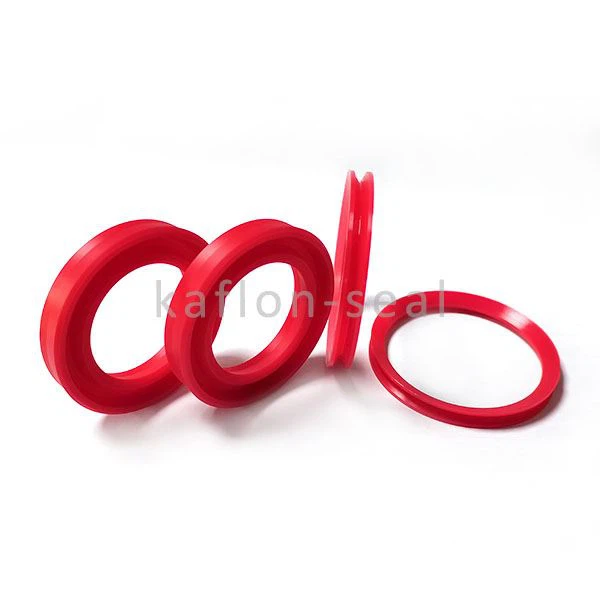
Physical Barrier
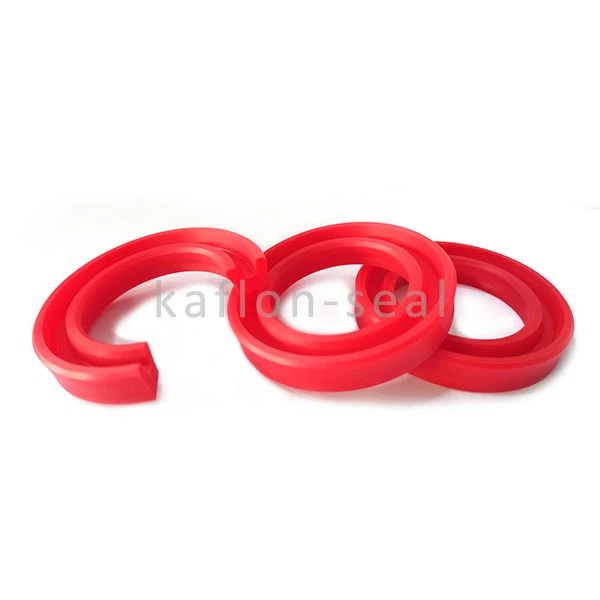
Polyurethanes seals can act as a physical barrier, preventing the penetration of biological agents into the underlying material. The dense structure of polyurethanes can block the passage of microorganisms and biological fluids, reducing the contact between the seal and the biological environment.
The surface properties of polyurethanes also play an important role in their resistance to biological fouling. A smooth and hydrophobic surface can reduce the adhesion of microorganisms, making it more difficult for them to form biofilms. Surface treatments such as plasma treatment or the application of hydrophobic coatings can further improve the anti - fouling properties of polyurethanes seals.
Mechanical Strength
The mechanical strength of polyurethanes seals is essential for maintaining their integrity in the presence of biological agents. A strong and durable seal can withstand the physical forces exerted by biological growth and biofilm formation without cracking or breaking.
The high tensile strength, tear resistance, and abrasion resistance of polyurethanes make them suitable for applications where they may be exposed to biological environments. For example, in medical devices, polyurethanes seals need to maintain their mechanical properties even after prolonged contact with body fluids and tissues.
Applications and Performance
Polyurethanes seals with biological agent resistance are used in a variety of applications:
Medical Devices
In the medical industry, polyurethanes seals are used in devices such as catheters, syringes, and surgical instruments. These seals need to be resistant to bacteria, fungi, and viruses to prevent infections. Our Paraffin Oil Resistance TPU Seal and Weather Resistant Rubber PU Seal can be customized to meet the strict requirements of medical applications, providing reliable sealing and protection against biological agents.
Food Processing
In the food processing industry, polyurethanes seals are used in equipment such as pumps, valves, and conveyors. These seals need to be resistant to food - borne bacteria and fungi to ensure the safety and quality of the food products. Our Hydraulic Oil Resistance PU Seal can be designed to meet the hygiene standards of the food industry, preventing the growth of microorganisms and maintaining the integrity of the sealing system.
Marine and Environmental Applications
In marine and environmental applications, polyurethanes seals are used in structures such as offshore platforms, pipes, and valves. These seals need to be resistant to marine microorganisms, including barnacles, algae, and bacteria. The anti - fouling properties of polyurethanes seals can reduce the maintenance costs associated with biological fouling and extend the service life of the equipment.
Testing and Quality Assurance
To ensure the performance of our polyurethanes seals against biological agents, we conduct a series of tests:
Microbiological Testing
We perform microbiological tests to evaluate the antibacterial and antifungal properties of our seals. These tests involve inoculating the seals with known strains of bacteria and fungi and measuring the growth inhibition over a period of time.
Chemical Analysis
We also conduct chemical analysis to determine the chemical composition and stability of our seals. This helps us to ensure that the seals are resistant to degradation by biological agents and other chemicals in the environment.
Physical Testing
Physical testing is carried out to evaluate the mechanical properties of our seals, such as tensile strength, tear resistance, and hardness. These properties are essential for maintaining the integrity of the seals in the presence of biological agents.
Conclusion
As a polyurethanes seal supplier, we are committed to providing high - quality seals that can resist biological agents. Our seals are designed to meet the specific requirements of different applications, whether it is in the medical, food processing, or marine industries. By understanding the mechanisms of resistance and conducting rigorous testing, we can ensure that our seals provide reliable performance and long - term protection.
If you are looking for a reliable polyurethanes seal supplier for your application, please feel free to contact us for more information and to discuss your specific needs. We are ready to work with you to develop the best sealing solution for your project.
References
- ASTM International. (2023). Standard test methods for evaluating the antibacterial activity of polymeric or hydrophobic surfaces. ASTM E2180 - 23.
- ISO. (2022). Plastics - Determination of the resistance of plastics to fungi. ISO 846:2022.
- Ratner, B. D., Hoffman, A. S., Schoen, F. J., & Lemons, J. E. (Eds.). (2012). Biomaterials science: An introduction to materials in medicine. Academic Press.