


 Popular Blog Posts


 Blog
BlogHey there! As a supplier of hydraulic rod seals, I often get asked about how a double-acting hydraulic rod seal works. So, I thought I'd write this blog to break it down in a way that's easy to understand.
First off, let's talk about what a double-acting hydraulic rod seal is. In a hydraulic system, the rod seal plays a crucial role. It's responsible for preventing the leakage of hydraulic fluid from the cylinder while the rod moves in and out. A double-acting seal, as the name suggests, works in both directions of the rod's movement. That means it can handle pressure whether the rod is extending or retracting.
The Basics of Hydraulic Systems
Before we dive into how the double-acting seal works, let's quickly go over the basics of a hydraulic system. Hydraulic systems use fluid to transmit power. They typically consist of a pump, a cylinder, and various valves. The pump pressurizes the hydraulic fluid, which then moves into the cylinder. Inside the cylinder, there's a piston attached to a rod. When the pressurized fluid enters one side of the cylinder, it pushes the piston, causing the rod to move.
How a Double - Acting Hydraulic Rod Seal Functions
Now, let's get to the heart of the matter - how the double-acting hydraulic rod seal does its job.
Sealing Mechanism
The double-acting rod seal has a special design that allows it to create a tight seal around the rod. It's usually made of materials like rubber or a combination of rubber and other polymers. When the seal is installed in the cylinder, it fits snugly around the rod. As the hydraulic fluid is pressurized, it pushes against the seal. The seal then deforms slightly, pressing harder against the rod and the cylinder wall. This creates a barrier that prevents the fluid from leaking out.
One of the key features of a double-acting seal is its ability to adapt to different pressures. When the pressure on one side of the seal increases, it compresses the seal material on that side. This compression forces the seal to expand in other areas, maintaining a consistent seal around the rod. Whether the rod is moving in or out, the seal can adjust to the changing pressure conditions.
Pressure Resistance
Double-acting seals are designed to withstand high pressures. In a hydraulic system, the pressure can vary depending on the application. For example, in heavy machinery like construction equipment, the hydraulic system may operate at very high pressures. The double-acting seal needs to be able to handle these pressures without failing.
The material properties of the seal play a big role in its pressure resistance. High-quality seals are made from materials that have good elasticity and strength. They can withstand the repeated stress and strain caused by the pressure changes. Additionally, the shape of the seal is optimized to distribute the pressure evenly. This helps prevent the seal from being damaged by excessive pressure in one area.
Lubrication
Lubrication is also an important aspect of the double-acting seal's performance. The hydraulic fluid itself acts as a lubricant between the seal and the rod. As the rod moves, the fluid creates a thin film that reduces friction. This not only helps the rod move smoothly but also extends the life of the seal.


Without proper lubrication, the seal would experience more wear and tear. The friction could cause the seal material to heat up and degrade over time. That's why it's important to use the right type of hydraulic fluid and to maintain the proper fluid levels in the system.
Types of Double - Acting Hydraulic Rod Seals
There are different types of double-acting hydraulic rod seals available in the market. Here are a few common ones:
Low Stick And Slip Glyd Ring
The Low Stick And Slip Glyd Ring is a popular choice for many applications. It's designed to reduce stick-slip motion, which can cause problems in hydraulic systems. Stick-slip occurs when the rod sticks and then suddenly slips as it moves. This can lead to uneven movement and premature wear of the seal. The Low Stick And Slip Glyd Ring uses special materials and a unique design to minimize this issue.
PTFE Double Acting Rod Seal
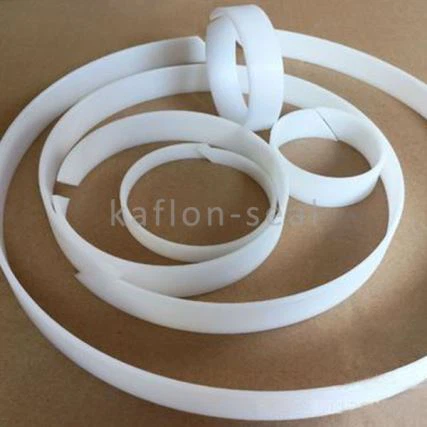
The PTFE Double Acting Rod Seal is another type of double-acting seal. PTFE (polytetrafluoroethylene) is a high-performance material known for its low friction and excellent chemical resistance. These seals are ideal for applications where low friction and long service life are required. They can also withstand a wide range of temperatures, making them suitable for use in various environments.
Single Acting Rod Seal vs. Double Acting Rod Seal
It's worth comparing double-acting rod seals with Single Acting Rod Seal. Single-acting seals are designed to work in only one direction of the rod's movement. They're typically used in applications where the pressure is only applied on one side of the piston. Double-acting seals, on the other hand, are more versatile. They can handle pressure from both sides of the piston, making them suitable for a wider range of hydraulic systems.
Benefits of Using Double - Acting Hydraulic Rod Seals
There are several benefits to using double-acting hydraulic rod seals in your hydraulic systems:
Improved Efficiency
Since the double-acting seal can work in both directions of the rod's movement, it allows for more efficient operation of the hydraulic system. The rod can move smoothly in and out, without the need for additional components to control the sealing in different directions. This can lead to faster cycle times and increased productivity.
Longer Service Life
The ability of the double-acting seal to adapt to different pressures and maintain a consistent seal reduces wear and tear. This means the seal lasts longer, reducing the need for frequent replacements. In industrial applications, where downtime can be costly, a longer service life can result in significant savings.
Reliability
Double-acting seals provide a high level of reliability. They can operate under harsh conditions, such as high pressures and temperatures. This makes them suitable for use in critical applications like aerospace, automotive, and heavy machinery.
Conclusion
So, there you have it - a detailed look at how a double-acting hydraulic rod seal works. As a supplier, I know how important it is to choose the right seal for your hydraulic system. Whether you're in the manufacturing, construction, or any other industry that uses hydraulic equipment, a high-quality double-acting rod seal can make a big difference in the performance and reliability of your system.
If you're looking for top-notch double-acting hydraulic rod seals or have any questions about our products, don't hesitate to reach out. We're here to help you find the perfect seal for your specific needs. Contact us to start a procurement discussion and take your hydraulic system to the next level.
References
- "Hydraulic Seals Handbook" by John Doe
- "Principles of Hydraulic Systems" by Jane Smith