


 Popular Blog Posts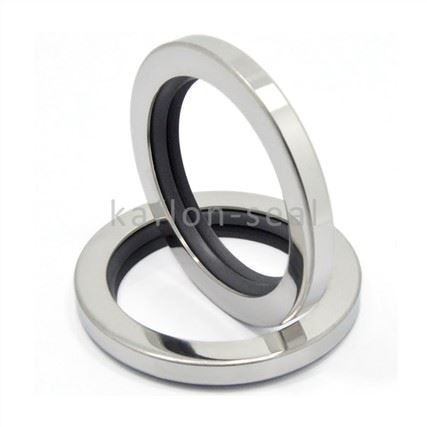


 Blog
BlogHey there! As a supplier of hydraulic seals, I've seen firsthand how crucial it is to ensure the tightness of these little but mighty components. Hydraulic systems are everywhere, from heavy - duty construction equipment to precision medical devices. And a leaky hydraulic seal can lead to all sorts of problems, like loss of pressure, contamination, and even system failure. So, let's dig into how we can make sure those seals stay tight.
Material Selection
The first step in ensuring tightness is choosing the right material for the seal. Different applications require different materials based on factors like temperature, pressure, and the type of fluid in the system.
For static applications, Polyurethane Piston Seal For Static Application is a great choice. Polyurethane has excellent abrasion resistance, high tensile strength, and good elasticity. It can withstand a wide range of temperatures and is resistant to many hydraulic fluids. This means it can form a tight seal even under challenging conditions.
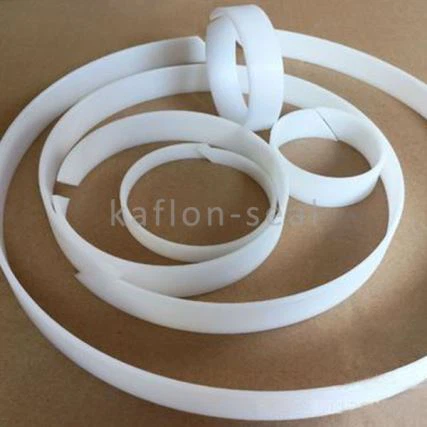
On the other hand, if you're dealing with high - pressure systems or aggressive chemicals, PTFE Filled Polymer Step Seal Ring might be your go - to. PTFE (Polytetrafluoroethylene) is known for its low friction coefficient and chemical inertness. The filled polymer version enhances its mechanical properties, making it suitable for high - stress applications. It can maintain its shape and sealing performance even when exposed to extreme pressures and harsh chemicals.
Proper Installation
Even the best - quality seals won't work well if they're not installed correctly. Here are some key points to keep in mind during installation:
- Cleanliness: Before installing a seal, make sure the sealing surface is clean and free of any dirt, debris, or old seal material. A dirty surface can prevent the seal from making a proper contact, leading to leaks. You can use a suitable cleaning agent and a lint - free cloth to clean the surface.
- Lubrication: Applying the right lubricant to the seal can make installation easier and improve its sealing performance. However, you need to choose a lubricant that is compatible with the seal material and the hydraulic fluid in the system. Using the wrong lubricant can cause swelling or degradation of the seal.
- Proper Tools: Use the correct tools for installation. For example, when installing an O - ring, a proper O - ring installation tool can prevent damage to the ring. Avoid using sharp or rough tools that can cut or scratch the seal.
Design Considerations
The design of the hydraulic system and the seal itself plays a big role in ensuring tightness.
- Seal Geometry: The shape and dimensions of the seal are critical. For example, a well - designed lip seal can create a self - energizing effect, where the pressure in the system helps to increase the sealing force. Different types of seals, like U - cups, V - rings, and Rotary Glyd Ring, have different geometries that are optimized for specific applications.
- Clearance: The clearance between the seal and the mating parts is also important. If the clearance is too large, the seal may not be able to create a tight seal. On the other hand, if it's too small, the seal may be over - compressed, leading to premature wear and failure.
Maintenance and Monitoring
Once the hydraulic system is up and running, regular maintenance and monitoring are essential to ensure the tightness of the seals.


- Visual Inspection: Periodically inspect the seals for signs of wear, damage, or leakage. Look for things like cracks, cuts, swelling, or discoloration. Early detection of problems can prevent more serious issues down the road.
- Fluid Analysis: Analyzing the hydraulic fluid can also provide clues about the condition of the seals. For example, if there are high levels of contaminants in the fluid, it could indicate a seal failure.
- Replacement Schedule: Establish a regular replacement schedule for the seals based on the operating conditions of the system. Even if a seal looks okay, it may have degraded over time and may need to be replaced to maintain tightness.
Quality Control
As a hydraulic seal supplier, we take quality control very seriously. We have strict manufacturing processes in place to ensure that every seal we produce meets the highest standards.
- Material Testing: We test all incoming materials to ensure they meet the required specifications. This includes testing for physical properties like hardness, tensile strength, and chemical resistance.
- Production Monitoring: During the manufacturing process, we monitor every step to ensure consistency and quality. We use advanced manufacturing techniques and equipment to produce seals with precise dimensions and high - quality finishes.
- Final Inspection: Before shipping out the seals, we conduct a final inspection to check for any defects. Only seals that pass our rigorous quality control tests are sent to our customers.
Conclusion
Ensuring the tightness of hydraulic seals is a multi - faceted process that involves material selection, proper installation, design considerations, maintenance, and quality control. By paying attention to these aspects, you can minimize the risk of seal failure and ensure the reliable operation of your hydraulic systems.
If you're in the market for high - quality hydraulic seals or have any questions about seal tightness, don't hesitate to reach out. We're here to help you find the right solutions for your specific needs. Whether you're working on a small - scale project or a large - scale industrial application, we've got the expertise and products to keep your hydraulic systems running smoothly.
References
- "Hydraulic Seals Handbook"
- Industry standards and guidelines for hydraulic systems