


 Popular Blog Posts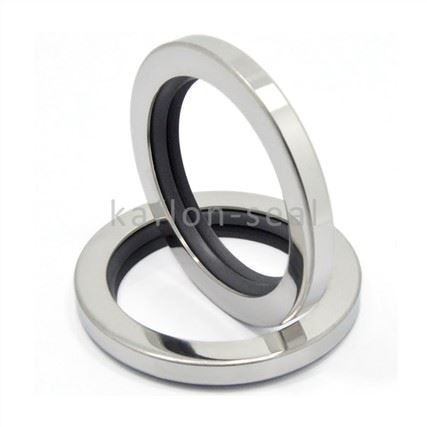


 Blog
BlogRotary shaft seals play a crucial role in various industrial applications, ensuring the proper functioning of machinery by preventing the leakage of fluids and the ingress of contaminants. In dusty environments, the performance of these seals becomes even more critical as they are constantly exposed to abrasive particles that can cause wear and damage. As a leading supplier of rotary shaft seals, we understand the challenges faced in such conditions and are committed to providing high - quality solutions that can withstand the rigors of dusty environments.
Understanding the Challenges in Dusty Environments
Dust in industrial settings can come from a variety of sources, such as mining operations, construction sites, and manufacturing processes. These dust particles can range in size from fine powders to larger, more abrasive fragments. When these particles come into contact with rotary shaft seals, they can cause several problems.
One of the primary issues is abrasion. The hard dust particles can rub against the seal lip, gradually wearing it down over time. This wear can lead to a loss of sealing integrity, allowing fluids to leak out and more dust to enter the system. As the seal wears, its ability to maintain a proper seal around the shaft decreases, which can result in increased friction, heat generation, and ultimately, premature failure of the seal and the associated machinery.
Another challenge is the accumulation of dust within the seal. If the dust is not effectively excluded, it can build up in the seal cavity, creating a blockage. This blockage can interfere with the movement of the shaft and the seal, causing additional stress on the components and potentially leading to mechanical failure. Additionally, the presence of dust can also contaminate the lubricating fluids within the system, reducing their effectiveness and further accelerating wear.
How Rotary Shaft Seals are Designed to Handle Dust
To address the challenges posed by dusty environments, rotary shaft seals are designed with specific features and materials.
Seal Lip Design
The seal lip is the part of the seal that comes into direct contact with the shaft. In dusty environments, a well - designed seal lip is essential. Many of our seals feature a special lip profile that is optimized to scrape off dust particles as the shaft rotates. The lip is designed to exert a consistent pressure on the shaft, creating a tight seal that prevents dust from entering. Some seals also have multiple lips, which provide an additional barrier against dust ingress. The outer lip can act as a primary dust excluder, while the inner lip focuses on sealing the fluid within the system.
Material Selection
The choice of materials is crucial in determining the performance of rotary shaft seals in dusty environments. We offer a range of seals made from different materials, each with its own advantages.

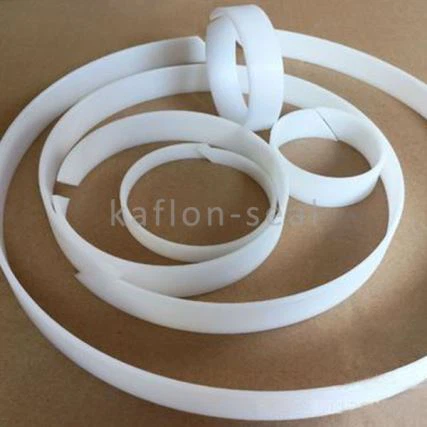
One of the most popular materials for dusty applications is PTFE (Polytetrafluoroethylene). PTFE has excellent chemical resistance, low friction, and high wear resistance. Our PTFE Lip Seal is specifically designed to withstand the abrasive effects of dust. The smooth surface of PTFE reduces the adhesion of dust particles, making it easier for the seal to maintain its sealing performance. PTFE also has a low coefficient of friction, which helps to reduce heat generation and wear on the shaft and the seal itself.
Another material option is our Screw Comprosser PTFE Oil Seal. This seal is made from a combination of PTFE and other materials, which provides enhanced sealing performance in high - pressure and dusty environments. The PTFE component offers excellent wear resistance, while the other materials contribute to the overall strength and flexibility of the seal.
Our PTFE Stainless Rotary Shaft Seal is also a great choice for dusty applications. The stainless - steel construction provides additional durability and corrosion resistance, while the PTFE lip ensures a reliable seal against dust and fluids.
Dust Excluding Features
In addition to the seal lip design and material selection, many of our rotary shaft seals are equipped with special dust - excluding features. For example, some seals have a dust cover or shield that is attached to the outer part of the seal. This cover acts as a physical barrier, preventing large dust particles from reaching the seal lip. Other seals may have a labyrinth design, which creates a tortuous path for dust to travel through, making it more difficult for the dust to penetrate the seal.
Performance Testing in Dusty Environments
To ensure the reliability of our rotary shaft seals in dusty environments, we conduct extensive performance testing. Our testing facilities are equipped with state - of - the - art equipment that can simulate real - world dusty conditions.
We test the seals for wear resistance by subjecting them to a continuous flow of dust particles. The seals are mounted on a rotating shaft, and the amount of wear on the seal lip is measured over a specific period of time. We also test the sealing performance of the seals by monitoring the leakage of fluids and the ingress of dust into the system.
In addition to wear and sealing performance, we also test the frictional properties of the seals. High friction can lead to increased energy consumption and premature wear, so it is important to ensure that the seals have a low coefficient of friction in dusty environments. Our testing helps us to optimize the design and material selection of our seals to achieve the best possible performance.
Applications in Dusty Industries
Our rotary shaft seals are widely used in various industries that operate in dusty environments.
In the mining industry, our seals are used in equipment such as conveyor systems, crushers, and pumps. These machines are constantly exposed to large amounts of dust, and our seals help to prevent the ingress of dust into the bearings and other critical components, ensuring the reliable operation of the equipment.

The construction industry also relies on our rotary shaft seals. Construction machinery, such as excavators, loaders, and bulldozers, are often used in dusty construction sites. Our seals help to protect the hydraulic systems and other moving parts of these machines from dust contamination, reducing maintenance costs and downtime.
In the manufacturing industry, our seals are used in a variety of applications, including metalworking, woodworking, and food processing. In metalworking, for example, the dust generated during cutting and grinding operations can be very abrasive. Our seals help to keep the dust out of the machinery, preventing damage to the components and ensuring the quality of the manufactured products.
Conclusion
In conclusion, rotary shaft seals play a vital role in ensuring the proper functioning of machinery in dusty environments. At our company, we are dedicated to providing high - quality seals that can withstand the challenges posed by dust. Through careful design, material selection, and performance testing, we have developed a range of seals that offer excellent wear resistance, sealing performance, and dust - excluding capabilities.
If you are in need of rotary shaft seals for your dusty environment applications, we invite you to contact us for more information and to discuss your specific requirements. Our team of experts is ready to assist you in selecting the right seal for your needs and to provide you with the best possible solutions.
References
- "Sealing Technology Handbook" by John P. Blair
- "Materials Science and Engineering: An Introduction" by William D. Callister, Jr. and David G. Rethwisch
- Industry reports on rotary shaft seal applications in dusty environments from various industrial research firms.