


 Popular Blog Posts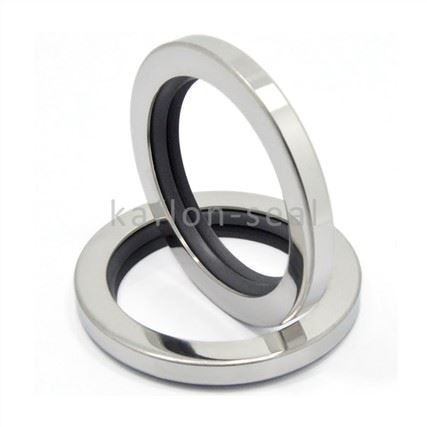


 Blog
BlogHey there! As a supplier of rotary shaft seals, I've seen firsthand how crucial these little components are in various industrial applications. One of the most challenging environments for rotary shaft seals is the corrosive one. So, let's dive into how rotary shaft seals perform in such tough conditions.
Understanding Corrosive Environments
First off, what exactly do we mean by corrosive environments? These are places where the seals are exposed to chemicals, moisture, high humidity, or other substances that can eat away at the materials over time. Think of industries like chemical processing, food and beverage, marine, and wastewater treatment. In these settings, the seals have to withstand the constant onslaught of corrosive agents while still doing their job of preventing leaks and keeping contaminants out.
The Basics of Rotary Shaft Seals
Before we get into how they perform in corrosive environments, let's quickly go over what rotary shaft seals are. They're basically mechanical devices that are used to seal the gap between a rotating shaft and a housing. Their main job is to keep lubricants in and dirt, dust, and other contaminants out. This helps to protect the machinery and ensure its smooth operation.
Material Matters
The performance of rotary shaft seals in corrosive environments largely depends on the materials they're made of. Different materials have different levels of resistance to corrosion.
Rubber Seals
Rubber is a common material for rotary shaft seals. It's flexible, has good sealing properties, and is relatively inexpensive. However, not all rubbers are created equal when it comes to corrosion resistance. For example, nitrile rubber (NBR) is a popular choice for general applications, but it doesn't hold up well in highly corrosive chemicals. On the other hand, fluorocarbon rubber (FKM), also known as Viton, has excellent resistance to a wide range of chemicals, oils, and fuels. It can withstand high temperatures and is often used in applications where corrosion is a concern.
PTFE Seals
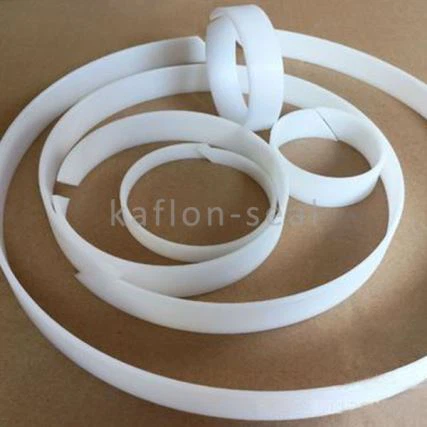
Polytetrafluoroethylene (PTFE) is another great material for seals in corrosive environments. PTFE is known for its outstanding chemical resistance. It can withstand almost all chemicals, including strong acids and bases. It also has a low coefficient of friction, which means less wear and tear on the seal and the shaft.
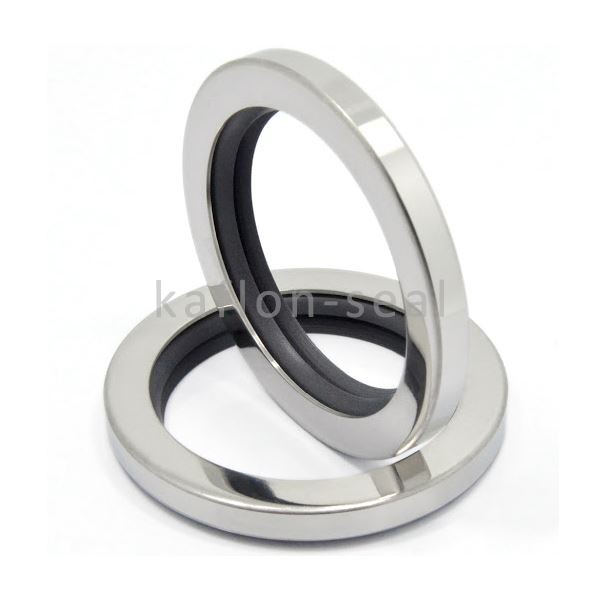
We offer a PTFE Stainless Rotary Shaft Seal that combines the corrosion resistance of PTFE with the strength of stainless steel. This seal is ideal for applications where there's a high risk of corrosion, such as in chemical processing plants.
PTFE Filled Seals
In addition to pure PTFE seals, we also have PTFE Filled POB Shaft Seal. These seals are filled with other materials to enhance their performance. For example, filling PTFE with bronze or carbon can improve its mechanical strength and wear resistance. This makes the seals even more suitable for use in harsh, corrosive environments.
Design Considerations
The design of the rotary shaft seal also plays a role in its performance in corrosive environments.
Lip Design
The lip of the seal is the part that comes into contact with the shaft. A well-designed lip can provide a better seal and prevent corrosive substances from getting past it. For example, a double-lip design can offer an extra layer of protection. Our Double Lips PTFE Oil Seal is a great example of this. The double lips help to keep lubricants in and contaminants out, even in corrosive conditions.
Installation and Clearance
Proper installation is crucial for the performance of rotary shaft seals in corrosive environments. If the seal is not installed correctly, it may not seal properly, which can lead to leaks and increased corrosion. Also, the clearance between the shaft and the seal needs to be just right. Too much clearance can allow corrosive substances to enter, while too little clearance can cause excessive wear on the seal.
Testing and Quality Assurance
At our company, we take testing and quality assurance seriously. Before we send out any rotary shaft seals, we subject them to a series of tests to ensure their performance in corrosive environments. We test the seals for chemical resistance, leakage, and wear. This helps us to identify any potential issues and make sure that our customers get high-quality seals that will perform well in their applications.
Real-World Performance
Let's take a look at some real-world examples of how our rotary shaft seals perform in corrosive environments.
Chemical Processing Industry
In a chemical processing plant, the seals are constantly exposed to a variety of corrosive chemicals. Our PTFE seals have been used in these plants with great success. They've been able to withstand the harsh chemicals and maintain a good seal, which has helped to prevent leaks and reduce downtime.
Marine Industry
In the marine industry, the seals are exposed to saltwater, which is highly corrosive. Our stainless steel and PTFE seals have been used in marine applications to protect the machinery from corrosion. They've proven to be reliable and long-lasting, even in the tough marine environment.
Conclusion
So, in conclusion, rotary shaft seals can perform well in corrosive environments if they're made of the right materials, have a good design, and are installed correctly. At our company, we offer a wide range of rotary shaft seals that are designed to withstand the challenges of corrosive environments. Whether you're in the chemical processing, marine, or any other industry that deals with corrosion, we have the seals you need.
If you're interested in learning more about our rotary shaft seals or have a specific application in mind, feel free to reach out to us. We'd be happy to discuss your needs and help you find the right seal for your project. Let's work together to ensure the smooth operation of your machinery in even the toughest environments.

References
- "Handbook of Seal Technology" by E. R. Booser
- "Sealing Technology for Rotating Equipment" by R. D. Bush