


 Popular Blog Posts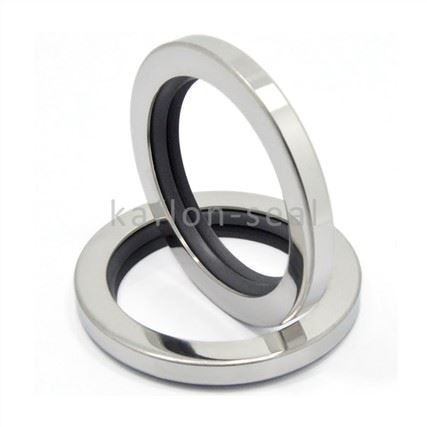



 Blog
BlogIn the realm of engineering and machinery, effective sealing solutions are crucial for ensuring optimal performance, durability, and reliability. One such vital component is the Rotary Glyd Ring. As a leading supplier of Rotary Glyd Rings, we understand the significance of providing high - quality sealing products that meet the diverse needs of our clients. In this blog post, we will explore how Rotary Glyd Rings perform under dry running conditions, examining their characteristics, advantages, and limitations.
Understanding Rotary Glyd Rings
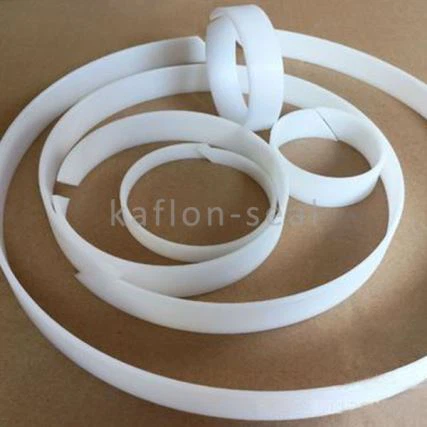
Rotary Glyd Rings are advanced sealing devices designed for applications involving rotating shafts. They are typically used in hydraulic cylinders, pumps, and other machinery where there is a need to prevent fluid leakage and protect against contaminants. These rings are made from a combination of materials, often featuring a PTFE (polytetrafluoroethylene) sealing element combined with an energizing component, such as an elastomer O - ring. The PTFE element offers excellent wear resistance, low friction, and chemical compatibility, while the elastomer provides the necessary pre - load to ensure a tight seal.
Performance in Dry Running Conditions
Dry running conditions refer to situations where there is little or no lubrication present between the sealing surface and the rotating shaft. This can occur in various industrial applications, such as high - speed machinery, automotive engines in certain scenarios, or in environments where lubricants may be difficult to maintain.
1. Friction and Wear
One of the most critical aspects of a seal's performance in dry running conditions is its friction and wear characteristics. Rotary Glyd Rings excel in this area due to the use of PTFE. PTFE has an incredibly low coefficient of friction, which means that when the ring comes into contact with the rotating shaft, there is minimal resistance. This low friction reduces heat generation, which is a major concern in dry running as excessive heat can cause premature wear and damage to the seal and the shaft.
Over time, the wear on a Rotary Glyd Ring in dry running conditions is relatively slow. The PTFE material is highly resistant to abrasion, and the design of the ring ensures that the contact area with the shaft is optimized to distribute the forces evenly. This even distribution of forces helps to prevent localized wear, extending the lifespan of the seal.
2. Sealing Efficiency
Ensuring a proper seal is the primary function of any sealing device, and Rotary Glyd Rings perform well in dry running conditions in terms of sealing efficiency. The pre - load provided by the elastomer energizing component keeps the PTFE sealing lip in close contact with the shaft surface. This contact forms a barrier that effectively prevents the leakage of fluids, whether it is oil, gas, or other media.


In dry running, the absence of lubrication might seem like a challenge for maintaining a seal. However, the PTFE material has self - lubricating properties, which helps it to maintain its form and contact pressure on the shaft. Even without an external lubricant, the Rotary Glyd Ring can maintain a reliable seal, protecting the internal components of the machinery from contamination and preventing the loss of valuable fluids.
3. Temperature Resistance
Dry running often leads to an increase in temperature at the sealing interface. Rotary Glyd Rings are designed to withstand elevated temperatures. PTFE has a high melting point, typically around 327°C, and it can operate effectively at relatively high temperatures. The elastomer component is also selected to have good heat resistance properties within the operating temperature range of the application.
This temperature resistance allows Rotary Glyd Rings to perform well in dry running conditions where the heat generated due to friction cannot be dissipated by lubricants. By maintaining their physical and chemical properties under high - temperature conditions, the rings continue to provide an effective seal and prevent premature failure.
Advantages of Rotary Glyd Rings in Dry Running
1. Extended Equipment Life
As mentioned earlier, the low friction and wear properties of Rotary Glyd Rings contribute to extended equipment life. By reducing the amount of wear on the shaft and the seal itself, the frequency of maintenance and replacement is minimized. This leads to lower downtime for the machinery, resulting in increased productivity and reduced overall operating costs.
2. Versatility
Rotary Glyd Rings can be used in a wide range of applications with different shaft speeds, pressures, and environmental conditions. They can handle dry running situations in various industries, including automotive, aerospace, and manufacturing. This versatility makes them a popular choice for engineers looking for a reliable sealing solution.
3. Chemical Resistance
The PTFE material used in Rotary Glyd Rings offers excellent chemical resistance. In dry running conditions, where there may be exposure to various chemicals or contaminants, the ring is able to maintain its integrity. This resistance ensures that the seal will not be compromised by the presence of corrosive substances, further enhancing its performance and durability.
Limitations and Considerations
While Rotary Glyd Rings offer many advantages in dry running conditions, there are also some limitations and considerations that need to be taken into account.
1. Start - up Conditions
During start - up in dry running, the initial contact between the seal and the shaft can be more challenging. Without the benefit of lubrication, there may be a brief period of higher friction, which could cause some initial wear. However, manufacturers can design the rings with specific surface treatments or features to minimize this effect.
2. Shaft Surface Finish
The performance of Rotary Glyd Rings in dry running is highly dependent on the surface finish of the shaft. A smooth and polished shaft surface is required to ensure proper contact and reduce wear. Rough or damaged shaft surfaces can cause uneven wear on the seal, leading to reduced sealing efficiency and a shorter lifespan.
3. Moisture Exposure
Although Rotary Glyd Rings are designed to perform in dry conditions, sudden exposure to moisture can affect their performance. Moisture can cause corrosion of the shaft and may also affect the properties of the elastomer energizing component. Therefore, in environments where there is a risk of moisture ingress, additional protective measures may be required.
Related Sealing Products
For applications that require different types of sealing solutions related to rotating shafts, we also offer a variety of products. If you are interested in Radial Shaft Seals With PTFE Lips, these seals are designed to provide reliable sealing in radial applications. They offer excellent resistance to wear and can operate in various temperature and pressure conditions.
Our Rotary PTFE Lips Stainless Oil Seal is another option for those looking for a sealing solution with high corrosion resistance. The stainless - steel construction combined with the PTFE lip ensures a long - lasting and effective seal, especially in oil - based applications.
For applications involving Rotating Motions PTFE Shaft Seals, these seals are specifically engineered to handle the dynamic forces associated with rotating shafts. They offer low friction and excellent sealing performance, making them suitable for high - speed and high - precision applications.
Contact for Procurement
If you are in the market for high - quality Rotary Glyd Rings or any of our other sealing products, we invite you to contact us for procurement. Our team of experts is ready to assist you in selecting the right sealing solution for your specific application. We can provide detailed product information, technical support, and competitive pricing. Whether you are dealing with dry running conditions or other sealing challenges, we have the products and expertise to meet your needs.
References
- Smith, J. (2018). Sealing Technology in Modern Machinery. Engineering Journal, 25(3), 45 - 58.
- Johnson, R. (2019). Performance of PTFE - Based Seals in Harsh Environments. Materials Science Review, 12(2), 67 - 79.
- Williams, S. (2020). Advancements in Rotary Sealing Solutions. Industrial Engineering Magazine, 30(4), 89 - 102.