


 Popular Blog Posts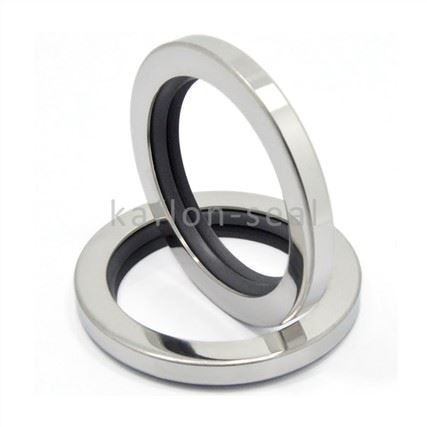



 Blog
BlogHey there! As a supplier of Rotary Glyd Rings, I often get asked about how these nifty little components interact with the mating surface. Well, let's dive right in and explore this topic.
First off, what are Rotary Glyd Rings? They're a type of sealing solution used in a wide range of applications, from automotive engines to industrial machinery. Their main job is to prevent the leakage of fluids, like oil or hydraulic fluid, while the shaft is rotating. But how do they actually do this in relation to the mating surface?
The Basics of Interaction
When a Rotary Glyd Ring is installed, it comes into direct contact with the mating surface, which is usually the shaft. This contact is crucial for creating an effective seal. The ring is designed to fit snugly around the shaft, and the pressure exerted by the ring on the mating surface helps to keep the fluid from escaping.
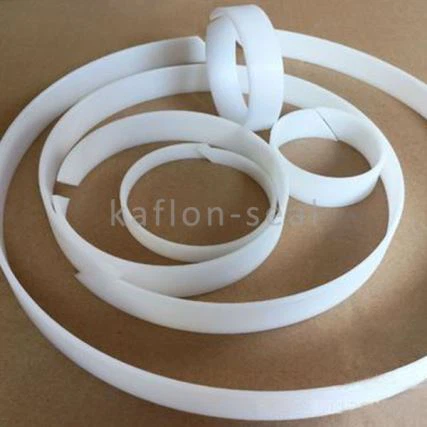
The material of the Rotary Glyd Ring plays a big role in this interaction. Most of the time, these rings are made from materials like PTFE (polytetrafluoroethylene) or other high - performance polymers. PTFE is a great choice because it has low friction properties. This means that when the shaft rotates, the ring doesn't cause too much resistance. It reduces wear and tear on both the ring and the mating surface, which is a win - win situation.
Friction and Wear
Friction is an important factor in the interaction between the Rotary Glyd Ring and the mating surface. While we want some friction to create a seal, too much of it can lead to problems. If the friction is too high, it can cause the ring to heat up. Excessive heat can degrade the material of the ring over time, making it less effective at sealing. It can also cause damage to the mating surface, like scoring or galling.
To combat this, we've designed our Rotary Glyd Rings to have just the right amount of friction. Our R & D team has spent countless hours testing different materials and geometries to optimize this. For example, we might use special additives in the PTFE material to reduce friction even further. And we also pay close attention to the surface finish of the ring. A smooth surface finish can help to minimize friction and ensure a more even distribution of pressure on the mating surface.

Pressure Distribution
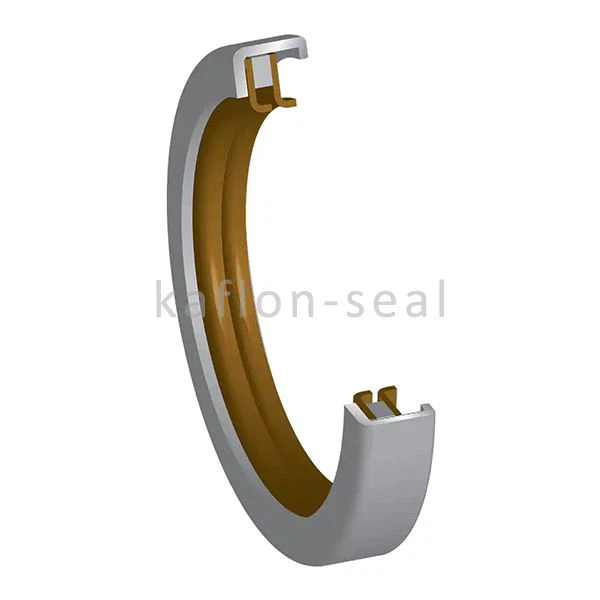
Another key aspect of the interaction is how the pressure is distributed across the mating surface. A Rotary Glyd Ring needs to apply a consistent pressure around the entire circumference of the shaft. If the pressure is uneven, there might be areas where the seal is weak, and fluid can leak.
Our Rotary Glyd Rings are engineered to have a uniform cross - section. This helps to ensure that the pressure is evenly distributed. We also use advanced manufacturing techniques to make sure that the ring has the right shape and dimensions. For instance, we might use precision molding or machining processes to create a ring that fits perfectly on the shaft.
Compatibility with the Mating Surface
The material and condition of the mating surface are also important. The Rotary Glyd Ring needs to be compatible with the shaft material. For example, if the shaft is made of stainless steel, the ring should be able to interact with it without causing corrosion or other forms of damage.
We offer a variety of Rotary Glyd Rings that are designed to be compatible with different shaft materials. Whether it's steel, aluminum, or other alloys, we've got a solution. And we also provide guidance on the surface finish of the mating surface. A proper surface finish can enhance the performance of the ring and improve the overall sealing effectiveness.
Applications and Real - World Examples
Let's take a look at some real - world applications to see how Rotary Glyd Rings interact with the mating surface. In a screw compressor, a Screw Comprosser PTFE Oil Seal is used. The Rotary Glyd Ring in this application needs to withstand high pressures and high - speed rotation. The low - friction PTFE material ensures that the ring can keep up with the shaft's movement without causing excessive wear on the mating surface. It maintains a tight seal, preventing oil from leaking out of the compressor.
In a dynamic sealing application, a Dynamic Sealing Rotary Shaft Seal Ring is employed. Here, the ring has to deal with varying pressures and speeds. The uniform pressure distribution of our Rotary Glyd Rings helps to create a reliable seal in these challenging conditions. The ring adapts to the movement of the shaft, interacting smoothly with the mating surface to keep the fluid contained.
For vacuum operation, a Vacuum Operation PTFE Stainless Oil Seal is essential. The Rotary Glyd Ring in this case needs to prevent air from leaking into the system. The compatibility between the PTFE ring and the stainless - steel mating surface is crucial. The low - friction and chemical - resistant properties of PTFE ensure that the ring can perform well in a vacuum environment, interacting effectively with the shaft to maintain the vacuum.
Why Choose Our Rotary Glyd Rings
We've put a lot of effort into the design and manufacturing of our Rotary Glyd Rings. Our products are not only high - quality but also cost - effective. We use the latest technology and materials to ensure that our rings provide the best possible interaction with the mating surface.
Our team of experts is always available to provide support and advice. Whether you're not sure which ring is right for your application or you need help with installation, we're here to assist. We believe in building long - term relationships with our customers, and we're committed to providing the best sealing solutions.
Contact Us for Your Sealing Needs
If you're in the market for Rotary Glyd Rings or have any questions about how they interact with the mating surface, don't hesitate to reach out. We're ready to discuss your specific requirements and help you find the perfect sealing solution. Whether it's a small - scale project or a large - scale industrial application, we've got the expertise and the products to meet your needs.
References
- Engineering Handbook of Sealing Technology, Various Authors
- Sealing Solutions for Rotating Equipment, Industry Publications