


 Popular Blog Posts



 Blog
BlogIn various industrial applications, the performance of radial oil seals in wet environments is a critical concern. As a leading supplier of radial oil seals, we have extensive experience and in - depth knowledge of how these seals function under such challenging conditions.
Understanding Radial Oil Seals
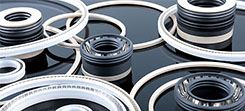
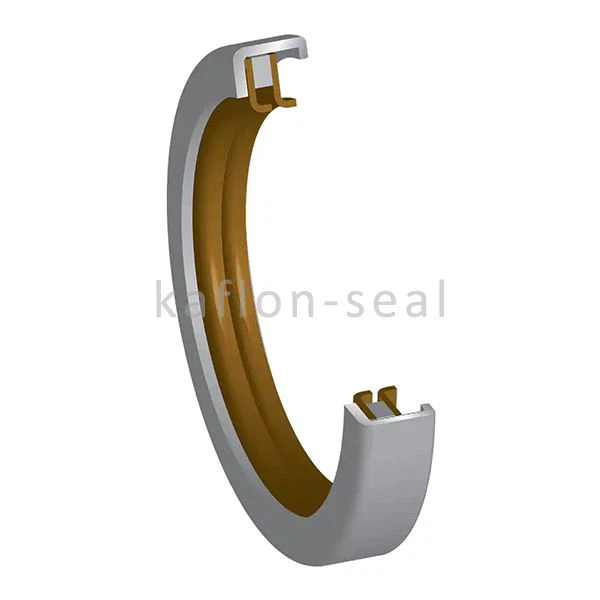
Radial oil seals are designed to prevent the leakage of lubricants, such as oil or grease, from rotating shafts while also keeping out contaminants. They typically consist of a metal case, a sealing lip made of elastomeric or other high - performance materials, and a garter spring that provides the necessary radial force to maintain contact with the shaft.
In wet environments, the challenges faced by radial oil seals are significantly different from those in dry conditions. Water, along with other possible contaminants like dirt, sand, and chemicals, can have a profound impact on the seal's performance.
Effects of Water on Radial Oil Seals
Material Degradation
One of the primary concerns in wet environments is the potential for material degradation. Elastomeric sealing lips, which are commonly used in radial oil seals, can be affected by prolonged exposure to water. Water can cause swelling, softening, or even chemical reactions with the elastomer material. For example, some elastomers may absorb water over time, leading to a change in their physical properties. This can result in a loss of the seal's ability to maintain a tight contact with the shaft, increasing the risk of leakage.
However, at our company, we offer seals with advanced elastomer formulations that are specifically designed to resist water - induced degradation. These materials have been tested extensively in wet conditions to ensure long - term performance and reliability.
Corrosion
The metal components of radial oil seals, such as the metal case and the garter spring, are also at risk of corrosion in wet environments. Corrosion can weaken the structural integrity of the seal, causing the metal to lose its strength and potentially leading to failure. To combat this issue, we use high - quality corrosion - resistant metals in our seals. For instance, some of our seals feature stainless steel components that offer excellent resistance to rust and corrosion, even in highly humid or wet conditions.
Contaminant Ingress
Water in wet environments often carries contaminants such as dirt, sand, and abrasive particles. These contaminants can enter the seal interface and cause wear on the sealing lip. Abrasive wear can lead to a reduction in the lip's sealing effectiveness, allowing lubricant to leak out and further contaminants to enter. Our radial oil seals are designed with features to minimize contaminant ingress. Some of our seals have additional sealing lips or protective barriers that act as a first line of defense against contaminants, preventing them from reaching the primary sealing area.
Performance - Enhancing Features for Wet Environments
Specialized Sealing Lip Designs
Our company has developed specialized sealing lip designs for use in wet environments. These designs take into account the unique challenges posed by water and contaminants. For example, some of our seals have a hydrodynamic lip design. This design creates a pumping action as the shaft rotates, which helps to expel water and contaminants away from the seal interface. The hydrodynamic effect also helps to maintain a thin film of lubricant between the sealing lip and the shaft, reducing friction and wear.
High - Performance Materials
We offer a range of high - performance materials for our radial oil seals that are well - suited for wet environments. In addition to the corrosion - resistant metals mentioned earlier, we also use advanced elastomers and polymers. For example, polytetrafluoroethylene (PTFE) is a popular material for sealing applications in wet conditions. PTFE has excellent chemical resistance, low friction, and good wear properties. Our Vacuum Operation PTFE Stainless Oil Seal and Rotary PTFE Lips Stainless Oil Seal are specifically designed with PTFE lips to provide superior performance in wet and challenging environments.

Enhanced Lubrication
Proper lubrication is crucial for the performance of radial oil seals in wet environments. Lubrication helps to reduce friction between the sealing lip and the shaft, preventing wear and extending the seal's service life. In wet conditions, the lubricant can also act as a barrier against water and contaminants. Our seals are designed to work effectively with a variety of lubricants, and we can provide recommendations on the most suitable lubricants for specific wet - environment applications.
Case Studies
To illustrate the performance of our radial oil seals in wet environments, let's look at a few case studies.
Marine Application
In a marine application, a ship's engine requires reliable radial oil seals to prevent oil leakage and keep out seawater. Our Radial Shaft Seals With PTFE Lips were installed in the engine's rotating shafts. These seals were exposed to a highly corrosive and wet environment, with constant contact with seawater. After several months of operation, the seals showed minimal signs of wear and no oil leakage. The PTFE lips effectively resisted the corrosive effects of seawater, and the stainless steel components remained free from corrosion, ensuring the smooth operation of the engine.
Food Processing Industry
In the food processing industry, equipment often operates in wet and hygienic environments. Our radial oil seals were used in a food processing machine that was frequently cleaned with water and cleaning agents. The seals were designed to meet strict hygiene standards and were made from materials that were resistant to water and chemical cleaning agents. After continuous use and regular cleaning, the seals maintained their sealing performance, preventing lubricant from contaminating the food products and ensuring the safety and quality of the processed food.
Conclusion
In conclusion, radial oil seals can perform effectively in wet environments when they are properly designed and manufactured. Our company, as a leading supplier of radial oil seals, offers a wide range of products with advanced features and high - performance materials to meet the challenges of wet - environment applications. Whether it's marine, food processing, or other industries that require reliable sealing solutions in wet conditions, our seals are designed to provide long - term performance and reliability.
If you are in need of high - quality radial oil seals for your wet - environment applications, we invite you to contact us for more information and to discuss your specific requirements. Our team of experts is ready to assist you in selecting the most suitable seals for your needs and ensuring that you get the best performance and value for your investment.
References
- Brown, R. A. (2015). Sealing Technology Handbook. Elsevier.
- Dowson, D. (2007). History of Tribology. Professional Engineering Publishing.
- Flom, Y. (2018). Elastomers for Sealing Applications. CRC Press.