


 Popular Blog Posts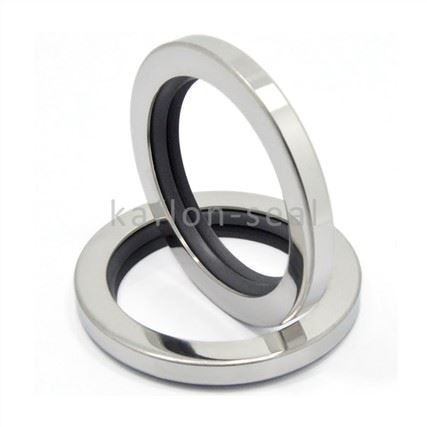



 Blog
BlogYo! As a supplier of PTFE guide rings, I've been getting a ton of questions lately about how these bad boys interact with different fluids. So, I thought I'd take a deep dive into this topic and share some insights that I've gathered over the years in the industry.
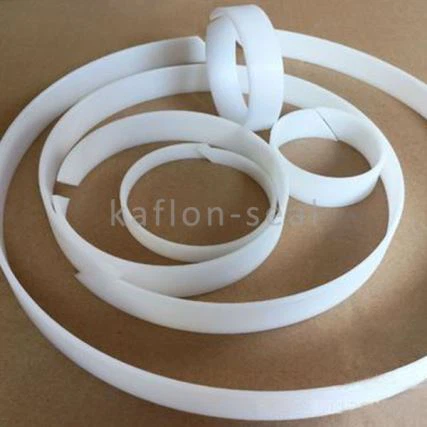
First off, let's talk about what PTFE guide rings are. PTFE, or polytetrafluoroethylene, is a synthetic fluoropolymer that's known for its low friction, high chemical resistance, and excellent temperature stability. These guide rings are used in a variety of applications, especially in hydraulic and pneumatic systems, to guide pistons and rods and prevent metal - to - metal contact.
Now, onto the interaction with different fluids.
Hydraulic Fluids
Hydraulic systems are everywhere, from heavy machinery to automotive brakes. And they rely on hydraulic fluids to transfer power. When it comes to PTFE guide rings in hydraulic systems, they generally play very well with most types of hydraulic fluids.
Mineral - based hydraulic fluids are the most common. They're cost - effective and have good lubricating properties. PTFE guide rings are highly resistant to mineral oils, so they don't swell or degrade when in contact with these fluids. This means they can maintain their shape and function over a long period, providing reliable guidance for pistons and rods.
Synthetic hydraulic fluids, on the other hand, are used in more demanding applications where higher temperature resistance and better fire resistance are required. PTFE's inherent chemical stability makes it compatible with synthetic fluids too. Whether it's phosphate esters or polyalphaolefins, PTFE guide rings can withstand the harsh chemical environment without losing their performance.
Water - based Fluids
Water - based fluids are becoming more popular due to their environmental friendliness and fire - resistant properties. There are two main types: water - glycol mixtures and high - water - content fluids (HWCFs).


PTFE guide rings are a great choice for systems using water - based fluids. Water doesn't have any significant effect on PTFE's structure. In water - glycol mixtures, the glycol component can sometimes act as a lubricant, which further reduces the friction between the guide ring and the moving parts. For HWCFs, which are mostly water with a small amount of additives, PTFE remains stable and provides consistent guiding performance.
Chemical Fluids
In industrial settings, there are all sorts of chemical fluids that PTFE guide rings might come into contact with. PTFE is one of the most chemically resistant materials out there. It can handle acids, bases, solvents, and many other corrosive substances.
For example, in the chemical processing industry, where strong acids like sulfuric acid or hydrochloric acid are used, PTFE guide rings won't dissolve or react with these chemicals. This makes them ideal for pumps, valves, and other equipment that handle corrosive fluids.
Oil - based Lubricants
Apart from hydraulic oils, there are other oil - based lubricants used in machinery. Greases, for instance, are used to lubricate bearings and other moving parts. PTFE guide rings can work well in an environment where oil - based greases are present. The lubricating properties of the grease can enhance the smooth movement of the parts guided by the PTFE rings.
Now, let's talk about some related products. If you're looking for other types of components for your hydraulic systems, we also offer Hydraulic Polyurethane Wear Ring. These wear rings are made of polyurethane, which has good abrasion resistance and can complement the function of PTFE guide rings in some applications.
Another option is the Phenolic Cloth Hydraulic Wiper. These wipers are designed to keep contaminants out of the hydraulic system, ensuring the smooth operation of the components. And if you're considering different materials for guide rings, we have POM Guide Rings too. POM, or polyoxymethylene, has its own set of advantages and can be a good alternative depending on your specific needs.
To sum it up, PTFE guide rings are extremely versatile when it comes to interacting with different fluids. Their chemical resistance, low friction, and temperature stability make them a reliable choice for a wide range of applications. Whether you're dealing with hydraulic fluids, water - based fluids, chemical fluids, or oil - based lubricants, PTFE guide rings can get the job done.
If you're in the market for high - quality PTFE guide rings or any of the related products I mentioned, I'd love to have a chat with you. We can discuss your specific requirements and find the best solutions for your application. Don't hesitate to reach out and start a conversation about your procurement needs.
References
- "Handbook of Fluoropolymer Science and Technology"
- "Hydraulic Systems Design and Application"
- Industry research reports on PTFE materials and their applications